Published March 18, 2025
The United States military has conducted precision strikes on Iranian missile positions near the Strait of Hormuz, employing a new generation of “deep penetrator” bunker‑busting munitions to neutralize what U.S. commanders described as a direct threat to international shipping and global energy flows.
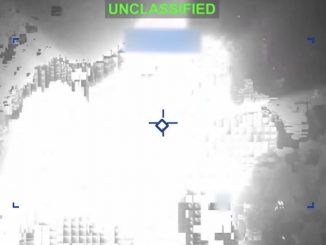
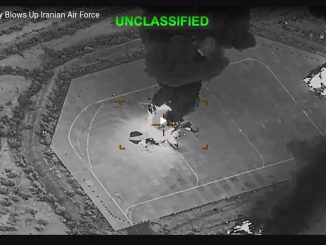
According to U.S. Central Command (CENTCOM), the overnight operation targeted hardened underground missile bunkers along Iran’s southern coastline that had been positioned to threaten commercial vessels navigating the narrow waterway linking the Persian Gulf with the Gulf of Oman. CENTCOM confirmed that multiple 5,000‑pound guided bombs — identified as GBU‑72 “deep penetrators” — were successfully used in combat for the first time to destroy fortified launch sites.
“These missiles posed a clear risk to international shipping in the Strait of Hormuz,” CENTCOM said in a statement, emphasizing that disabling such systems was critical to ensuring the safety of maritime traffic and the free flow of oil through one of the world’s most strategic chokepoints.

A satellite view shows the Strait of Hormuz, a key global energy chokepoint connecting the Persian Gulf to the Gulf of Oman, on Oct. 2, 2024. (Gallo Images/Orbital Horizon/Copernicus Sentinel Data via Getty Images)
Strategic and Regional Context
The Strait of Hormuz is a vital artery for the global energy market, with roughly 20% of the world’s oil passing through the waterway under normal conditions. Iran — which borders the strait to the north — has repeatedly threatened to disrupt or close the passage in response to escalating hostilities, contributing to heightened instability in the region.
The strike came amid a broader 2026 Middle East conflict, which has seen U.S. and allied operations against Iranian military infrastructure, including recent attacks on Kharg Island — home to a significant portion of Iran’s oil export terminals — and coordinated Israeli strikes on Iranian targets in the Persian Gulf.
In addition to the direct military engagements, Iran has launched drone and missile attacks into neighboring states, and made threats against energy facilities in Gulf countries, further elevating global energy security concerns.

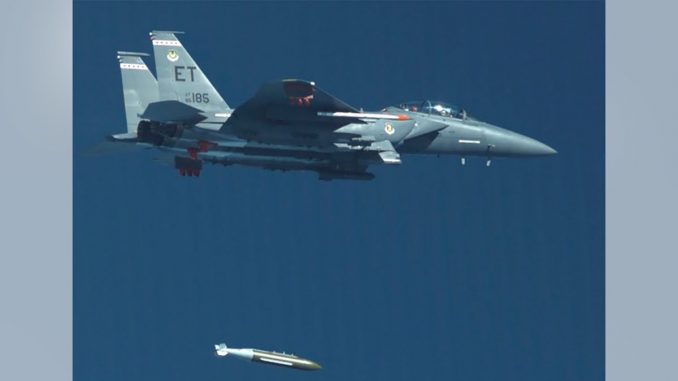
Eglin test squadron releases GBU-72 for the first time (Samuel King Jr. via DVIDS
Technology and Tactics
The GBU‑72 “deep penetrator” bomb is designed to defeat targets buried under significant layers of earth and reinforced concrete — making it well suited for destroying underground missile launch bunkers that are resistant to conventional weapons. Officials noted that this was the first known combat use of these munitions.
The use of such advanced weapons underscores the strategic priority Washington places on countering threats to global maritime commerce and maintaining open sea lanes, particularly against adversaries employing mobile anti‑ship missile systems and other asymmetric forces.

A UAE navy ship sails next to a cargo ship in the Strait of Hormuz as seen from Khor Fakkan, United Arab Emirates, Wednesday, March 11, 2026. (AP Photo/Altaf Qadri
International Responses and Implications
European and other international partners have expressed concern about the widening conflict and the impact on civilian trade routes, though there has been debate among allies about the level of direct military involvement in ensuring security through the Strait of Hormuz.
Crude oil prices and global markets remain sensitive to developments in the Gulf, with traders monitoring both military and diplomatic signals closely. Disruptions to Hormuz — whether actual or threatened — have historically contributed to spikes in energy prices and broader market volatility.
 Implications of the U.S. Strikes on Iranian Missile Sites
1. Deterrence Against Aggression
The strikes send a clear message that any hostile actions targeting critical maritime chokepoints will not go unanswered. By neutralizing Iranian missile sites, the U.S. demonstrates that it can and will protect international shipping lanes, discouraging future attempts to threaten regional stability or global trade.
2. Protection of Global Energy Supplies
Roughly 20% of the world’s oil passes through the Strait of Hormuz. By striking missile positions that could disrupt shipping, the U.S. safeguards energy markets, preventing spikes in fuel prices and ensuring that global economies remain insulated from potential supply shocks.
3. Reinforcement of Strategic Military Readiness
Using advanced “deep penetrator” munitions highlights U.S. technological superiority and operational readiness. It shows adversaries that the United States possesses the capabilities to neutralize hardened targets, reinforcing deterrence and maintaining a credible military edge in the region.
4. Support for Regional Allies
Neighboring Gulf states rely on U.S. security guarantees to protect their territorial waters and energy infrastructure. The strikes reassure these allies that the U.S. remains committed to regional defense partnerships and will act decisively to counter threats that could destabilize their countries.
5. Preservation of International Trade and Commerce
Beyond energy, the Strait of Hormuz is a vital artery for global trade. Protecting it ensures that civilian shipping and commercial activity continue uninterrupted, which is critical for the global economy and the economic security of nations dependent on free maritime transit.
6. Demonstration of Policy Credibility
Swift action reinforces the credibility of U.S. foreign policy. It signals to both allies and potential adversaries that threats will be met with decisive, proportional responses, strengthening diplomatic leverage and supporting long-term strategic objectives.
7. Economic Security at Home
Protecting global energy and trade routes indirectly safeguards domestic prosperity. By preventing disruptions abroad, the U.S. helps maintain stable energy prices and market confidence at home, shielding citizens and businesses from the economic fallout of international conflicts.
8. Encouragement of Stability Through Strength
In volatile regions, strength often underpins stability. Demonstrating the willingness and capability to act decisively helps deter further escalation, encouraging adversaries to resolve disputes through negotiation rather than force, and reducing the risk of broader conflicts.
 Overall Takeaway:
The U.S. strikes on Iranian missile sites demonstrate a clear commitment to defending vital global interests and protecting the world’s energy lifelines. By acting swiftly against credible threats in the Strait of Hormuz, the United States reinforces its role as a guarantor of international security and a stabilizing force in a volatile region.
These actions serve as a warning that attempts to disrupt global commerce or challenge established rules of navigation will meet firm resistance. Maintaining a credible military edge and readiness is essential not only to deter aggression abroad but also to ensure the safety, prosperity, and energy security of nations worldwide.
In an era of heightened regional tensions, decisive measures like these underscore the importance of vigilance, strength, and the unwavering defense of both allies and global stability.
SOURCES: BREITBART – ‘Deep Penetrator’: U.S. Strikes Iranian Missile Sites Threatening Oil Ships in Strait of Hormuz With Bunker Busters
FOX NEWS – US bunker-buster bombs hammer Iranian anti-ship missile sites near Strait of Hormuz
THE TIMES OF INDIA – US hits Iran near Strait of Hormuz with 5,000-pound ‘bunker buster’ bomb — what makes this high-cost weapon stand out