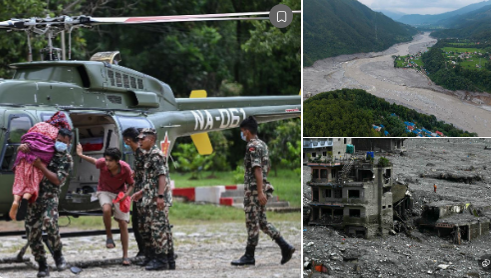
A flash flood along Nepal’s Budhi Gandaki River has left at least five people missing, damaged or destroyed homes and bridges, and forced hundreds of residents and tourists to evacuate. Rescue teams are reaching isolated communities in the mountainous Gorkha district after a landslide blocked the river before the accumulated water suddenly surged downstream.
Reported by:

Cherry Meigh Timbol
News Content Editor
Published October 14, 2026
Landslide Triggers Sudden Flooding
The disaster struck on Sunday, October 11, in Gorkha district, north-central Nepal, approximately 100 kilometers (62 miles) west of Kathmandu.
According to Nepalese authorities, a landslide near Chumchure village blocked the Budhi Gandaki River, creating a temporary natural barrier. When the barrier gave way, a powerful surge of muddy water, rocks and debris rushed downstream, damaging riverside settlements and infrastructure.
The National Disaster Risk Reduction and Management Authority reported that at least five villagers were missing. Officials said no deaths had been confirmed in the initial reports of the incident.
Images and videos from the affected area showed floodwaters sweeping away buildings and structures along the river. The sudden release of water left residents with limited time to escape in some locations.
Hundreds Evacuated as Rescue Operations Continue
Nepalese authorities ordered residents in vulnerable riverside communities to move to safer ground as emergency teams began search-and-rescue operations.
By October 12, officials reported that more than 200 residents and tourists had been evacuated, while the Nepal Army and other emergency personnel had rescued hundreds of people from affected areas.
Reuters reported that authorities had rescued 321 people, including 12 foreign nationals, as operations continued. More than 100 foreign trekkers were still stranded at different locations after flooding damaged trails and bridges.
Army helicopters and ground teams have been deployed to reach isolated settlements and transport relief supplies. Deliveries include food, tents and medicine for communities cut off by damaged roads.
However, strong winds temporarily interrupted helicopter operations, complicating efforts to reach remote areas. Officials said aerial relief missions were expected to resume as conditions allowed.
Homes, Bridges and Hydropower Facilities Damaged
The flood caused extensive damage to infrastructure along the Budhi Gandaki River.
According to the Associated Press, the disaster damaged or destroyed dozens of houses, five bridges, several hydropower construction sites and power and communications infrastructure. Farms and trekking routes were also affected.
The destruction of bridges and roads has made travel difficult and left some communities accessible only by air or through alternative routes.
The damage to hydropower facilities and communication towers has added to the challenges facing residents and rescue workers. Authorities are assessing the extent of the destruction as emergency operations continue.
Foreign Trekkers Among Those Affected
The flood struck a mountainous region popular with international visitors, including trekkers traveling through the Manaslu Conservation Area.
October is a busy period for trekking in Nepal, and the destruction of trails and bridges has disrupted travel through the affected region.
Rescue teams have evacuated foreign tourists alongside local residents. Authorities have also worked to locate trekkers stranded in remote areas and provide assistance to those unable to continue their journeys safely.
Officials have urged people in vulnerable locations to follow evacuation instructions and avoid riverbanks while conditions remain uncertain.
Nepal Still Recovering From Earlier Flood Disasters
The latest flooding comes as Nepal continues to deal with the consequences of previous disasters in its mountainous regions.
In August 2026, a catastrophic flood near the Nepal-China border killed more than 1,400 people, according to earlier reports, with thousands more reported missing. That disaster prompted extensive search-and-rescue operations and a major recovery effort.
Nepal’s mountainous terrain makes communities vulnerable to landslides, sudden river blockages and rapidly rising water levels. When landslides temporarily obstruct rivers, the eventual collapse of the resulting barriers can release large volumes of water and debris downstream.