Published July 16, 2026
SANA’A, Yemen — July 14, 2026 — Yemen’s Iran-backed Houthi movement has threatened to launch additional attacks against Saudi Arabia following Saudi-led airstrikes that struck Sana’a International Airport, escalating tensions in the Arabian Peninsula amid the broader regional conflict involving Iran, the United States, and Israel.
Senior Houthi officials warned that Saudi Arabia could face a renewed “siege” if military operations continue, raising fears that the fragile security situation along the Saudi-Yemen border could deteriorate further. The exchange of threats comes as the Middle East remains on edge following weeks of heightened military activity across the region.
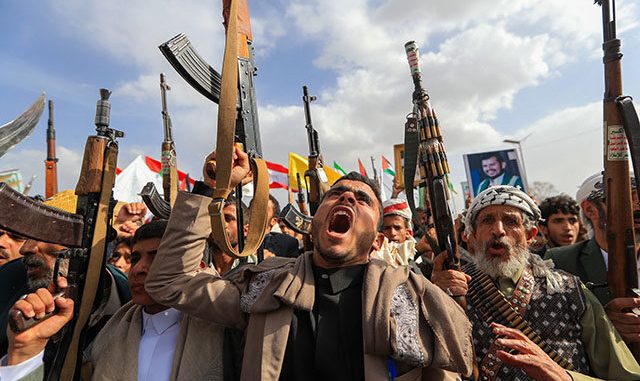
 A Yemeni fighter brandishes his weapon during a Houthi rally to recruit more fighters in Sanaa on July 6, 2026 [File: Mohammed Huwais/ AFP]
Houthis Warn Saudi Arabia of Retaliation
A senior Houthi leader declared that the group would not allow the airport attack to go unanswered.
According to Houthi officials, Saudi Arabia would bear responsibility for the consequences of the strike and could face renewed missile and drone attacks if military operations continue. The group warned that Saudi cities, airports, and economic infrastructure could once again become targets if hostilities escalate.
The Houthis also accused Riyadh of supporting military operations against Yemen while pledging to continue what they describe as their campaign of resistance.
 Smoke rises following an airstrike at Sanaa International Airport, in Sanaa, Yemen, July 13, 2026, in this screengrab taken from a video. (Al Masirah Handout via Reuters)
Saudi Airstrikes Target Sana’a Airport
The Saudi-led coalition said the strikes targeted infrastructure that it alleges has been used by the Houthis for military purposes.
Reports indicate that facilities at Sana’a International Airport sustained damage during the operation. Saudi officials have argued that the airport has been used to facilitate Houthi military logistics, an allegation the Houthis reject.
The strikes marked one of the most significant attacks on the airport in recent months and prompted renewed warnings from Houthi leadership.
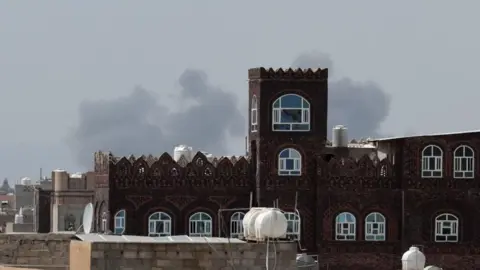 Reuters Smoke rose into the sky above Sanaa following the air strikes on the capital’s aiport
Regional Tensions Continue to Rise
The confrontation comes against the backdrop of broader instability across the Middle East.
The Houthis—who receive political and military backing from Iran according to the United States and several Western governments—have launched numerous missile and drone attacks against Saudi Arabia over the course of Yemen’s long-running civil war. Iran has acknowledged political support for the Houthis but has denied directing their military operations.
Recent months have also seen the Houthis target commercial shipping in the Red Sea and launch missiles toward Israel, actions the group says are linked to the ongoing conflict in Gaza.
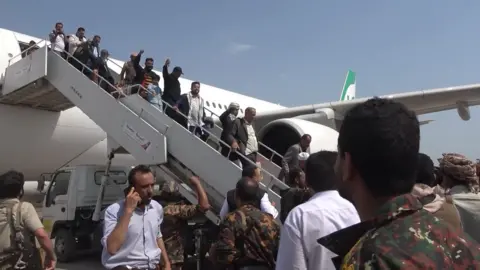 EPA Al-Masirah TV broadcast footage showing a Houthi delegation getting off the diverted Iranian plane at Hudaydah’s
Yemen’s Humanitarian Crisis Remains Severe
The renewed exchange of threats has raised concerns about the humanitarian consequences of further escalation.
The conflict in Yemen has already displaced millions of people and contributed to one of the world’s most severe humanitarian crises. Damage to transportation infrastructure, including airports, could further complicate the delivery of humanitarian aid and commercial supplies.
International aid organizations continue warning that renewed fighting could worsen food insecurity and limit access to medical assistance for civilians.
👥 Public / Political Reactions:
🇾🇪 Houthi Leadership
Senior Houthi officials strongly condemned the Saudi strike on Sana’a International Airport, describing it as an act of aggression and warning of further retaliation.
- Senior Houthi official Mohammed al-Bukhaiti said Saudi Arabia could face a renewed “siege” if attacks continue.
- Houthi military spokesman Yahya Saree warned that Saudi airports and other strategic infrastructure could become targets.
- The group accused Saudi Arabia of escalating the conflict and vowed that the airport strike “would not go unanswered.”
➡️ Position: The Houthis say they will retaliate if Saudi Arabia continues military operations against Yemen.
🇸🇦 Saudi Arabia
Saudi authorities defended the military operation as a security measure.
- Yemeni government and Saudi-backed officials said the airport runway was targeted to prevent an Iranian aircraft from landing in Houthi-controlled Sana’a.
- Saudi air defenses later intercepted Houthi missiles and drones launched toward the Kingdom following the airport strike.
- Riyadh has not indicated that it intends to broaden military operations but remains on heightened alert.
➡️ Position: Saudi Arabia maintains that its actions were intended to protect national security and prevent Iranian support for the Houthis.
🇮🇷 Iran
Iran has not publicly claimed involvement in directing the latest Houthi threats.
- Tehran has consistently expressed political support for the Houthi movement while denying that it controls the group’s military operations.
- Western governments continue accusing Iran of providing weapons, training, and other support to the Houthis.
- The latest escalation has renewed international scrutiny of Iran’s regional influence.
➡️ Position: Iran continues supporting the Houthis politically while rejecting accusations that it directs their attacks.
🌍 International Community
International organizations and regional observers expressed concern over the renewed escalation.
- The United Nations and several governments urged restraint to avoid a return to full-scale conflict in Yemen.
- Analysts warned that renewed Houthi attacks on Saudi Arabia could threaten regional stability and commercial shipping routes.
- Diplomatic efforts remain focused on preventing the conflict from expanding further across the Middle East.
➡️ Position: The international community is urging all parties to de-escalate and resume diplomatic efforts.
👥 Public Response
The renewed exchange of attacks has generated anxiety among civilians in both Yemen and Saudi Arabia.
- Residents in Yemen expressed concern that additional airstrikes could worsen the country’s humanitarian crisis.
- Saudi citizens closely followed reports of missile interceptions and air-defense operations.
- Humanitarian organizations warned that renewed fighting could further disrupt aid deliveries and civilian life.
➡️ Position: Public reaction reflects growing concern that renewed hostilities could prolong instability and humanitarian suffering.
🏛️ Broader Political Impact
The latest confrontation has heightened fears that the relative calm between Saudi Arabia and the Houthis could unravel.
- Security analysts warn that continued retaliation could reverse years of de-escalation efforts.
- The renewed violence has also intensified concerns about Iran’s role in regional conflicts and the security of Red Sea shipping lanes.
- Governments across the region are closely monitoring developments to prevent a broader regional confrontation.
➡️ Position: The exchange of strikes marks one of the most serious tests of the Saudi-Houthi truce in years and could have wider implications for Middle East security.
⚠️ Resulting Effects:
The exchange of airstrikes and threats between Saudi Arabia and the Iran-backed Houthi movement has heightened tensions in the Arabian Peninsula and raised concerns that Yemen’s conflict could once again expand into a broader regional confrontation. While the immediate military exchanges remain limited, the latest developments have renewed fears over regional security, humanitarian conditions, and the safety of international shipping routes.
1. Regional Tensions Have Escalated Further
The latest confrontation has increased the risk of renewed hostilities between Saudi Arabia and the Houthis.
⚔️ Houthi leaders have threatened additional missile and drone attacks if Saudi airstrikes continue.
🛡️ Saudi Arabia has strengthened its air-defense posture and remains on alert for possible retaliation.
🌍 Regional governments are closely monitoring the situation amid broader instability involving Iran, Israel, and the United States.
➡️ Result: Exchange of threats and military action → heightened regional security concerns.
2. Risk to Civil Aviation and Critical Infrastructure Has Increased
The strike on Sana’a International Airport has raised concerns about transportation and infrastructure.
✈️ Damage to airport facilities may disrupt civilian travel and humanitarian logistics.
🏗️ Saudi authorities remain vigilant in protecting airports, energy facilities, and other strategic infrastructure from potential attacks.
🚧 Further strikes could affect regional transportation and commercial operations.
➡️ Result: Airport attack and retaliation threats → increased concern over the security of key infrastructure.
3. Humanitarian Challenges in Yemen May Worsen
The renewed escalation could further strain Yemen’s already fragile humanitarian situation.
🏥 Aid organizations warn that continued fighting may complicate the delivery of food, medicine, and emergency assistance.
👨👩👧👦 Civilians remain at risk from renewed military operations and potential displacement.
🚑 Humanitarian agencies continue urging all parties to protect civilian infrastructure and allow access for relief efforts.
➡️ Result: Renewed hostilities → greater humanitarian pressure on Yemen’s civilian population.
4. Concerns Over Red Sea Security Continue
The developments have renewed attention on maritime security.
🚢 Commercial shipping companies continue monitoring the security situation in the Red Sea.
⚓ Any expansion of Houthi military operations could increase risks to international trade routes.
🌐 Governments and naval forces remain alert to protect freedom of navigation through one of the world’s busiest maritime corridors.
➡️ Result: Rising regional tensions → continued concern for global shipping and maritime security.
5. Diplomatic Efforts Face New Challenges
The latest exchange of attacks may complicate ongoing efforts to reduce violence.
🤝 Regional and international mediators continue encouraging restraint and dialogue.
🏛️ Diplomatic initiatives aimed at maintaining the relative calm between Saudi Arabia and the Houthis could face additional obstacles if hostilities intensify.
📖 Analysts say further escalation may reduce opportunities for near-term political negotiations.
➡️ Result: Renewed military confrontation → increased difficulty in advancing diplomatic solutions.
6. Broader Middle East Security Concerns Grow
The incident adds to an already volatile regional environment.
🛡️ Security analysts are monitoring whether the confrontation could draw in additional regional actors.
🌍 Governments remain concerned that simultaneous crises involving Iran, Israel, the United States, and Yemen could further destabilize the Middle East.
📊 Energy markets and international observers continue watching for any developments that could affect regional stability and global trade.
➡️ Result: Saudi-Houthi escalation → broader geopolitical and security implications for the Middle East.
🔮 Future Outlook:
The latest confrontation between Saudi Arabia and the Iran-backed Houthi movement has created renewed uncertainty over Yemen’s fragile security situation. While neither side has indicated an immediate return to a full-scale war, continued threats, missile activity, and regional tensions could determine whether the situation stabilizes or moves toward further escalation.
1. Risk of Additional Houthi Attacks Remains High
The Houthis are expected to maintain pressure on Saudi Arabia following the airport strike.
🚀 The group has threatened additional missile and drone operations against Saudi targets.
🎯 Potential targets could include military facilities, airports, energy infrastructure, and other strategic locations.
🛡️ Saudi Arabia is expected to maintain heightened readiness and strengthen air-defense measures.
➡️ Outlook: Continued Houthi threats → increased risk of retaliatory attacks and regional instability.
2. Saudi Arabia May Seek to Avoid a Larger Conflict
Although Riyadh has responded militarily, analysts say Saudi Arabia may attempt to prevent a return to a prolonged Yemen war.
🤝 Saudi officials have previously supported diplomatic efforts aimed at reducing tensions with the Houthis.
⚖️ A wider military campaign could create additional security, economic, and humanitarian challenges.
🌍 Saudi Arabia is likely to coordinate closely with regional and international partners.
➡️ Outlook: Limited military response → efforts to balance security concerns with avoiding broader escalation.
3. Iran’s Regional Role Will Remain Under Scrutiny
The latest escalation is expected to increase attention on Iran’s influence over regional armed groups.
🇮🇷 Western and regional governments will continue monitoring Iran’s relationship with the Houthis.
🛡️ Any evidence of increased weapons transfers or operational support could trigger further diplomatic pressure on Tehran.
🌐 The situation remains connected to wider tensions involving Iran, Israel, and the United States.
➡️ Outlook: Continued scrutiny of Iran → greater focus on regional proxy conflicts and security risks.
4. Yemen’s Humanitarian Situation May Face Further Pressure
A prolonged escalation could worsen conditions for civilians.
🏥 Aid organizations may face additional challenges delivering food, medicine, and emergency assistance.
🏚️ Renewed fighting could increase displacement and damage already weakened infrastructure.
👥 International humanitarian groups are expected to continue calling for civilian protection and access to affected areas.
➡️ Outlook: Continued instability → rising humanitarian needs in Yemen.
5. Diplomatic Efforts Will Be Tested
The future of Saudi-Houthi relations remains uncertain.
🤝 Regional mediators may attempt to prevent further escalation through negotiations and back-channel diplomacy.
📖 Previous efforts toward a political settlement could face setbacks if missile and drone attacks continue.
🌍 The United Nations and international partners are expected to encourage restraint.
➡️ Outlook: Diplomatic engagement → possible de-escalation, but significant challenges remain.
6. Regional Security Will Remain Closely Monitored
The Yemen conflict is increasingly connected to wider Middle East tensions.
🚢 Security concerns around the Red Sea and international shipping routes are expected to continue.
⚔️ Any major escalation involving Iran, Saudi Arabia, or other regional actors could have wider consequences.
📊 Energy markets, governments, and security analysts will closely watch developments for signs of broader conflict.
➡️ Outlook: Middle East tensions → Yemen remains a key factor in regional security calculations.
7. The Next Phase May Depend on Retaliation Decisions
The immediate future will likely depend on how both sides respond.
⚖️ A limited exchange of attacks could be followed by renewed diplomatic efforts.
🔥 A major Houthi retaliation or expanded Saudi military campaign could trigger a wider conflict.
🌍 International pressure will likely increase as governments attempt to prevent further regional escalation.
➡️ Outlook: Next military moves → the coming days may determine whether tensions stabilize or escalate further.
🧩 Bottom Line:
The latest confrontation between Saudi Arabia and the Iran-backed Houthi movement has reopened fears that Yemen’s fragile security situation could deteriorate after years of efforts to reduce tensions. The Saudi strike on Sana’a International Airport and the Houthis’ threats of retaliation have created a dangerous cycle of escalation that could affect not only Yemen but the wider Middle East.
While Saudi Arabia says its actions are focused on preventing threats to its national security, the Houthis have vowed to respond with further attacks, raising concerns over possible missile and drone strikes against Saudi territory, critical infrastructure, and regional targets.
The situation also highlights the broader struggle for influence between Iran and its regional rivals, with Yemen continuing to serve as one of the key arenas where competing powers confront each other indirectly.
Humanitarian concerns remain a major issue. Any return to intense fighting could worsen conditions for millions of Yemenis who have already endured years of conflict, displacement, and economic hardship. Increased instability could also threaten international shipping routes in the Red Sea, a vital pathway for global trade.
➡️ Bottom Line: The Saudi-Houthi confrontation represents a serious test of regional stability. Whether the crisis moves toward renewed conflict or diplomatic de-escalation will depend on the next military decisions by both sides, the level of Iranian involvement, and international efforts to prevent Yemen from becoming another front in a wider Middle East conflict.
SOURCES: BREITBART NEWS – Iran-Backed Houthis Threaten More Attacks After Saudis Hit Yemeni Airport
AL JAZEERA – Leading Houthi threatens ‘siege’ on Saudi Arabia after Yemen airport attack
AP NEWS – Yemen at risk of getting dragged back into war as Saudis and Houthis exchange airstrikes