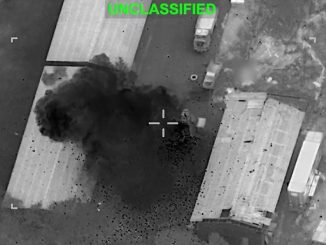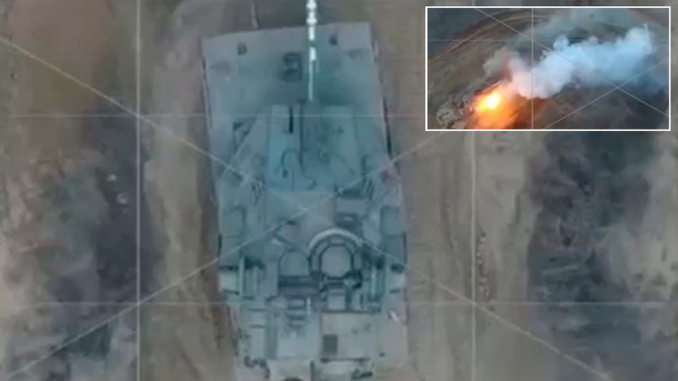
Chinese radar and tracking systems failed during the U.S.-Iran conflict. Photo courtesy of web.junhao.mil.cn
Published March 23, 2026
The ongoing military conflict involving Iran has drawn renewed scrutiny on Chinese‑made military systems after multiple reports and expert observers say these technologies performed poorly under real combat conditions. The revelations have sparked concerns about the reliability of Beijing’s military exports and the broader implications for global security cooperation.
Chinese Air Defence Systems Struggle in Combat
Reports from analysts and defence commentators indicate that Chinese‑supplied air defence radars and missile systems failed to detect or intercept key threats during coordinated U.S. and Israeli strikes against Iranian targets. Systems such as the HQ‑9B surface‑to‑air missiles and YLC‑8B radars—marketed by Beijing as capable of countering advanced aircraft and missile threats—did not perform as advertised in the field, according to assessments based on battlefield outcomes.
The implications of these failures extend beyond a single conflict zone. Chinese military hardware has increasingly been positioned as an affordable alternative to Western systems, appealing to countries with limited defence budgets. However, recent performance in Pakistan, Venezuela and now Iran has raised serious questions about whether these weapons meet the operational standards required in high‑intensity warfare.
Wider Impact on Global Military Perceptions
Industry observers say that battlefield exposure can be decisive in shaping global defence procurement decisions. While China remains the world’s fourth‑largest arms exporter, persistent real‑world performance issues risk undermining confidence among recipient states and partners in Beijing’s military industrial base. Critics suggest that systems deployed abroad may not be the same grade as those deployed domestically, further eroding trust.
Military commentators also note that electronic warfare capability, stealth technology and intelligence systems—areas where Western equipment has traditionally led—continue to show superiority in challenging operational environments. The apparent struggles Chinese platforms faced in the Iran conflict have reignited debates over whether Beijing’s weapons are ready for modern multi‑domain conflict.
Strategic Consequences for China and Its Partners
The spotlight on Chinese arms performance comes at a time when China seeks to expand its influence through strategic partnerships, including with states like Iran. While Beijing publicly maintains a restrained stance on direct involvement in the 2026 Iran conflict, its economic and technological ties with Tehran continue to draw global attention.
For defence planners and governments evaluating future purchases, the Iran conflict’s revelations may lead to reassessments of procurement strategies, alliance structures, and interoperability priorities when it comes to air defence and battlefield awareness systems.
🔍 Analyst Insight:
The Iran conflict has exposed a critical lesson: real-world combat is the ultimate test of military technology. While Chinese air defence systems like the HQ‑9B and YLC‑8B radar networks are marketed as modern and capable, their performance under sustained operational conditions has been underwhelming.
- Technology vs. Reality
Field conditions—electronic interference, advanced missile threats, and rapid multi-axis strikes—revealed vulnerabilities not apparent in controlled testing environments. - Impact on Global Defence Confidence
Nations relying on Chinese systems may need to reconsider strategic planning, particularly if operational reliability is critical for national security. - Strategic Signaling
Battlefield performance sends a message: allies and adversaries alike observe not just procurement, but actual combat capability. Failure erodes credibility faster than words or contracts. - Interoperability Matters
Modern conflicts demand that systems integrate seamlessly with intelligence, surveillance, and allied forces. The Iran conflict showed gaps in coordination that could be fatal in a high-intensity war. - Cost vs. Capability
Affordability cannot replace effectiveness. Nations seeking budget-friendly options must weigh initial savings against potential operational failure in crises.
👥 Human Element:
Beyond technology, failures in military systems have direct consequences for people on the ground.
- Civilian Risk
Inadequate air defence leaves civilian populations exposed to attacks, highlighting the human cost of technological shortcomings. - Military Personnel at Risk
Soldiers operating these systems face greater danger when equipment fails, relying on manual intervention or improvisation to maintain security. - Psychological Strain
Awareness of gaps in defence capabilities can heighten stress for both military personnel and civilians, undermining morale and public confidence. - Global Perception and Trust
Countries that invest in Chinese systems may face scrutiny from their citizens and international partners if those systems fail during critical moments. - Future Preparedness
Lessons learned from operational failures can guide training, procurement, and civil protection strategies to minimize risks in future conflicts.
🎯 Conclusion:
The Iranian conflict underscores a simple but vital principle: national and allied security cannot rely on reputation or marketing alone—capabilities must perform under real-world conditions.
Chinese air defence technology, while widely exported, demonstrated limitations that cannot be ignored. Nations facing similar threats must prioritize reliable, battle-tested systems and maintain human expertise to ensure operational effectiveness.
Ultimately, preparedness, redundancy, and scrutiny of military technology are essential. The protection of civilians, soldiers, and strategic interests depends on it—not assumptions about potential performance or cost savings.
SOURCES: THE GATEWAY PUNDIT – Iran Conflict Exposes Chinese Military Technology Failures
THAILAND BUSINESS NEWS – War in Iran highlights poor quality of Chinese air defense system