
Reported by:

Cherry Meigh Timbol
News Content Editor
Published November 16, 2026
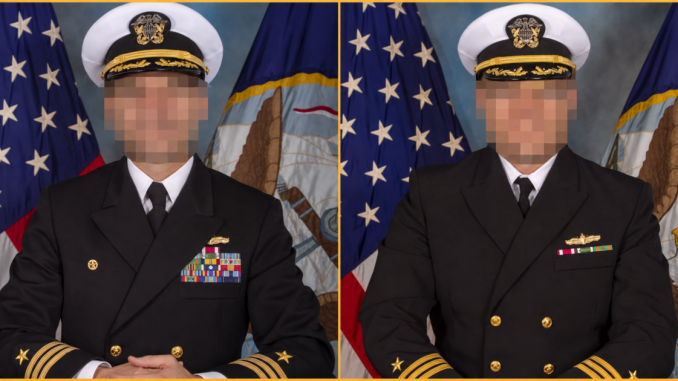
Iran’s embassy in South Africa posted photographs of two U.S. Navy officers on X alongside a threatening message. The post identified Cmdr. Leigh R. Tate, commanding officer of the destroyer USS Spruance, and Lt. Cmdr. Jeffrey E. York, its executive officer. The post carried the warning “We will find you.”
Timing. Outlets differ on the date, giving November 13 or 14. The post appeared as the Spruance returned to San Diego after a 357-day deployment that included combat operations against Iranian forces. It came one day after President Trump warned Tehran against trying to assassinate senior American officials.
Earlier accusation. In a March 28 post, the embassy accused the officers of ordering Tomahawk launches that killed 168 children at an elementary school in Minab, Iran, and called them “criminals.” Some reports describe Tate as a lieutenant commander rather than a commander.
Disputed account of the Minab strike. The embassy’s claim has not been independently confirmed in the reporting reviewed. Other accounts say the school stood next to a Revolutionary Guard barracks. One outlet reported that satellite analyses showed the school and base had been separated by a wall years earlier. The Navy has not been quoted in these reports on the Minab allegation.
The deployment. According to a Navy statement, the Spruance traveled more than 88,000 nautical miles and launched dozens of Tomahawk missiles at Iranian military targets between February and August 2026. The Navy also said the ship destroyed 12 drones and four anti-ship cruise missiles, and enforced the blockade, including disabling the cargo vessel M/V Touska in April. The crew received the Presidential Unit Citation and Combat Action Ribbon.
Reaction. Behnam Ben Taleblu of the Foundation for Defense of Democracies told Fox News Digital the rhetoric should be taken seriously, citing Iran’s history of plotting attacks against American officials. Washington has added protection at diplomatic missions, including withdrawing non-essential staff and family members from several regional posts. The U.S. government’s response specific to the post was not detailed in the sources reviewed.




