
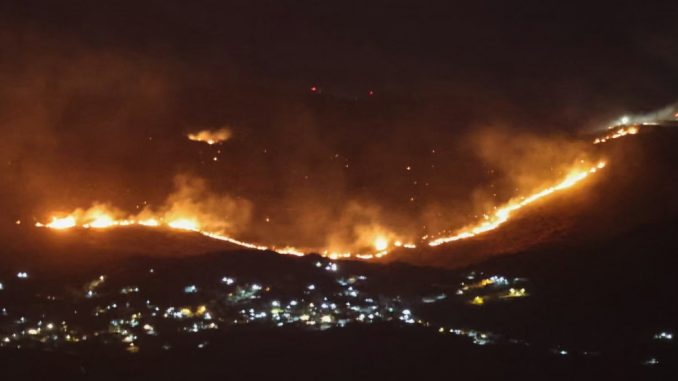
Forest fires sweep through the outskirts of the southern Lebanon village of Kfar Shouba on 5 August after Israeli bombing, despite the ceasefire. Photograph: AFP/Getty Images
by Diana Zapata • News Writer /Editorial Specialist
Published August 13, 2026
BEIRUT, Lebanon — Israel is facing fresh accusations that its military operations in southern Lebanon are causing widespread fires and environmental destruction, adding another layer of tension to an already fragile security situation along the border.
Lebanese firefighters, residents and environmental groups have accused the Israel Defense Forces (IDF) of deliberately starting fires in southern Lebanon using drones, flares and other incendiary methods. The allegations were reported by The Jerusalem Post and Common Dreams, although the claims have not been independently established.
 Explosion of infrastructure in southern Lebanon, as seen from the Israeli side. August 10, 2026.
The accusations come as Israel continues military operations in southern Lebanon, where it says it is targeting Hezbollah infrastructure and preventing the Iran-backed group from rebuilding its military capabilities near Israel’s northern border.
According to The Jerusalem Post, Lebanese firefighters and environmental organizations say fires have damaged forests, olive groves and agricultural land in areas close to the Israeli border. Environmental advocates have described the alleged destruction as a form of “ecocide.”
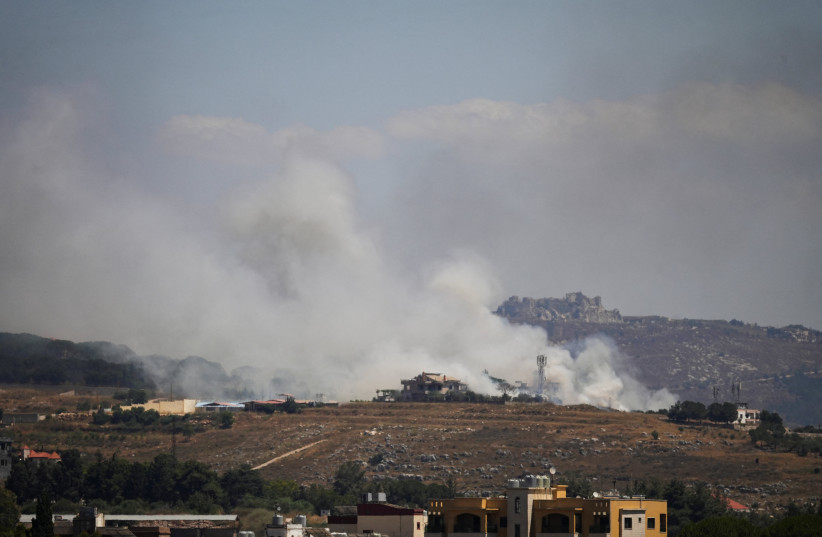 Smoke billows from southern Lebanon following an Israeli strike, as seen from Kfartibnit, Lebanon, June 19, 2026. (credit: REUTERS/STRINGER)
The Israeli military, however, has rejected the characterization that its operations are intended to harm civilians or the environment. Israel maintains that Hezbollah has used wooded areas and other locations in southern Lebanon for military purposes, making those areas part of the security threat facing northern Israel.
The dispute comes against the backdrop of a fragile ceasefire and ongoing negotiations between Israel and Lebanon.
Reuters reported that Israel and Lebanon have been working on a U.S.-mediated framework involving the possible deployment of personnel from countries including Britain, Italy, Switzerland and Indonesia to help verify the disarmament of Hezbollah. The negotiations remain unresolved, with disagreements over inspections and the role of international forces.
That diplomatic effort could now face another serious test.
Earlier this month, two Israeli soldiers were killed in southern Lebanon in an explosion during what Israel described as a security operation. Israel subsequently carried out strikes in southern Lebanon, while Lebanese authorities reported casualties from the attacks.
Israel has repeatedly argued that its continued presence and military operations in southern Lebanon are necessary to prevent Hezbollah from rebuilding weapons sites and other military infrastructure.
Lebanese officials, meanwhile, have accused Israel of violating Lebanese sovereignty and undermining efforts to stabilize the region. Lebanese Prime Minister Nawaf Salam has rejected Israel’s justification for some recent destruction, describing Israeli strikes on southern Lebanese villages as violations of international law.
The situation highlights the difficult reality facing the region: a ceasefire does not necessarily mean the end of the conflict.
Israel wants security guarantees and the removal of Hezbollah’s military infrastructure from areas near its border. Lebanon wants Israeli forces to withdraw from its territory and an end to military operations. Hezbollah, meanwhile, has rejected demands that it surrender its weapons, complicating the diplomatic process.
The environmental allegations add a potentially explosive dimension to the dispute.
Southern Lebanon has already suffered extensive damage from years of conflict, and agriculture remains an important part of the region’s economy. Continued fires could threaten olive groves, forests and farmland while making it more difficult for displaced residents to safely return to their communities.
For Israel, however, the overriding concern remains security.
The IDF says it must prevent Hezbollah from using southern Lebanon as a launching ground for attacks against Israeli communities. For Lebanon, the continuing strikes and alleged environmental damage raise concerns that military operations are making parts of the south increasingly difficult to inhabit.
The biggest danger now is that these competing objectives could undermine the diplomatic process that Washington is trying to advance.
With negotiations over Hezbollah’s disarmament and Israeli troop withdrawals still underway, another major escalation could push both sides further away from a sustainable agreement.
The latest accusations therefore represent more than a dispute over fires.
They are a warning that the fragile Israel-Lebanon ceasefire remains vulnerable — and that the battle over security, sovereignty and Hezbollah’s weapons could determine whether southern Lebanon moves toward stability or slips back into another cycle of conflict.
💬 Overall Takeaway:
The accusations of deliberate fires in southern Lebanon highlight how fragile the Israel-Lebanon ceasefire remains. While Lebanese officials and environmental groups accuse Israel of damaging forests and agricultural land, Israel maintains that its military operations are focused on countering Hezbollah and protecting its northern border.
The larger concern is that continued military activity, environmental damage and disputes over Hezbollah’s weapons could undermine diplomatic efforts to stabilize southern Lebanon.
The central issue is no longer simply the fires themselves. It is whether Israel and Lebanon can prevent continued border violence from turning a fragile ceasefire into another full-scale conflict — while addressing the security concerns that remain at the heart of the dispute.
SOURCES: THE JERUSALEM POST – Lebanese firefighters accuse Israel of intentionally causing fires during strikes – report
COMMON DREAMS –




