
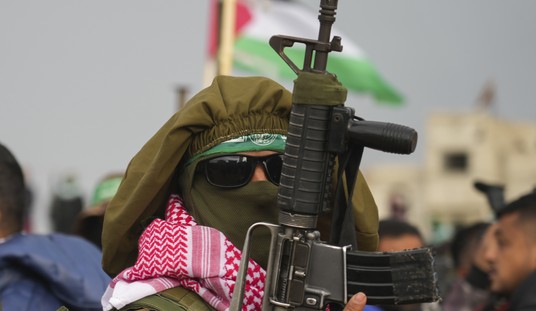
AP Photo/Abdel Kareem Hana
Published May 12, 2026
🧭 Headline Brief
A newly released investigative report on the events of October 7 provides a detailed account of the Hamas-led assault on southern Israel, describing widespread killings, hostage-taking, and attacks on civilian-populated areas. The report compiles multiple sources, including survivor testimonies, first responder reports, and forensic evidence gathered from affected sites, and outlines how armed militants entered communities, military positions, and public spaces in a coordinated series of attacks.
It describes significant civilian casualties, destruction of homes and infrastructure, and abductions that resulted in hostages being taken back into Gaza. Israeli authorities and supporting investigators have pointed to the report as reinforcing earlier assessments of the scale and severity of the attack, framing it as one of the most violent incidents in the ongoing conflict.
At the same time, the report exists within a broader and highly contested international narrative. While many governments and organizations have condemned the attacks and cited the findings as evidence of severe violations, others emphasize the wider context of the Israel–Gaza conflict, with ongoing disagreement over framing, terminology, and proportional responsibility.
🧩 Context Signal
🌍 Field Reality
On the ground, the impact of the October 7 attacks and the subsequent war is still deeply present in both Israel and Gaza, with communities continuing to deal with the aftermath of sustained violence. In southern Israel, many of the affected areas remain partially rebuilt or heavily secured, with some residents still displaced due to destroyed homes and infrastructure damage. Security presence remains high, especially near border regions, and memorialization of victims has become a visible part of public life.
In Gaza, the ongoing military campaign and blockade conditions have led to widespread destruction of residential areas, critical infrastructure, and public services. Humanitarian conditions remain severe, with shortages of medical supplies, shelter, and consistent access to food and clean water reported by aid organizations operating in the region. Large portions of the population have been displaced internally, creating overcrowded conditions in designated safe zones and temporary shelters.
Medical and emergency systems on both sides continue to operate under strain. Hospitals and response teams in Gaza face capacity and supply challenges, while Israeli medical services continue to treat long-term physical and psychological trauma related to the initial attacks and ongoing security risks.
Daily life in both territories remains heavily affected by security concerns, displacement, and uncertainty. While active front-line fighting fluctuates depending on the area and timeframe, the broader reality is one of sustained disruption, where civilian populations on both sides continue to live with the consequences of an ongoing conflict rather than a resolved event.
🔍 Global Lens
📌 Closing Signal
The release of the new October 7 report adds another detailed layer to the ongoing effort to document and understand one of the deadliest and most consequential events in the modern Israel–Gaza conflict. Its findings reinforce the continuing focus on civilian casualties, hostage-taking, and the broader humanitarian and security consequences that followed the attacks and the war that emerged afterward.
At present, the conflict remains unresolved, with military operations, humanitarian concerns, hostage negotiations, and international diplomatic efforts continuing simultaneously. Reports such as this are likely to remain central to political debate, legal scrutiny, and historical documentation as governments, organizations, and affected communities continue to examine the long-term implications of the attacks and the broader war.
While interpretations of the conflict continue to differ sharply across international audiences, the report contributes to an expanding body of evidence and testimony that will continue shaping public understanding, policy discussions, and accountability debates moving forward.




