Published August 1 , 2026
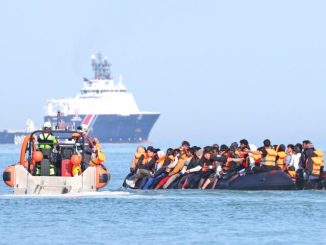
RABAT, Morocco — As Spain and Morocco work to restore order following one of the largest migrant surges into Europe in recent years, some Moroccans who crossed into the Spanish enclave of Ceuta are urging others not to follow in their footsteps, describing harsh conditions, uncertainty, and loss after the deadly border rush that claimed dozens of lives.
The warnings come after an estimated 50,000 to 60,000 migrants crossed from Morocco into Ceuta over a two-day period, overwhelming Spanish authorities and prompting a large-scale security response. Spanish officials said at least 57 people died during the crossings, while tens of thousands have since voluntarily returned to Morocco.
Spanish Army Drags Migrants From Tunnels, Escorts Thousands Back to Morocco
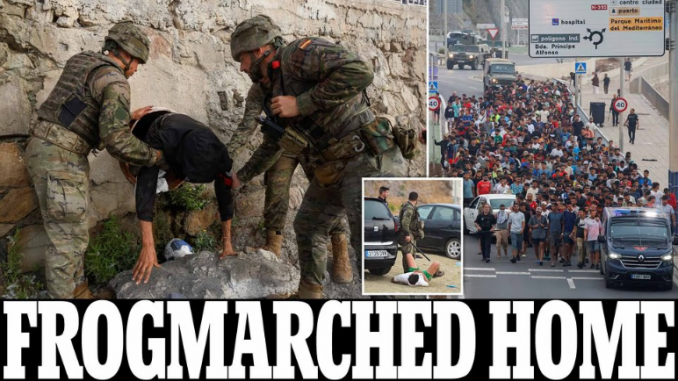
One of the most striking developments during the Ceuta migrant crisis unfolded as Spanish soldiers and security forces systematically searched tunnels, drainage channels, and other hiding places where migrants had taken shelter after crossing the border.
Video and photographs released from the operation showed troops escorting large groups of migrants on foot back toward the Moroccan border after authorities regained control of the enclave. Many migrants were reportedly found hiding inside tunnels and makeshift shelters in an effort to avoid detection following the mass crossing.
The coordinated security operation formed part of Spain’s broader effort to restore order after tens of thousands of migrants entered Ceuta over two days, overwhelming local authorities. Spanish officials said thousands of migrants voluntarily returned to Morocco or were escorted back as border controls were reestablished.
The images of soldiers leading long columns of migrants toward the frontier quickly spread across international media and social media platforms, becoming one of the defining visual moments of the crisis. Spanish authorities said the operation was necessary to secure the enclave, identify migrants, and facilitate their return in coordination with Moroccan officials.
This section highlights the dramatic visuals while avoiding language that presents unverified claims as fact. It attributes actions and characterizations to authorities where appropriate.

Spanish security personnel escort a big group of migrants to the border to take them out of Spain, after mass crossings of migrants on foot and by sea from Morocco into Spanish territory, in Ceuta, Spain, August 1, 2026

A 500-meter-long (1,640 feet) pneumatic barrier is deployed in the water by a Spanish Guardia Civil boat near the border post to reinforce security following illegal crossings from Morocco into the Spanish enclave of Ceuta, on August 1, 2026

Spanish soldiers find a migrant hiding in a tunnel at the Tarajal beach
Migrants Describe Difficult Reality in Ceuta
Several migrants interviewed after returning to Morocco said expectations of reaching a better life in Europe quickly gave way to overcrowding, shortages of food and shelter, and uncertainty about their future.
Some said they regretted making the journey and urged other young Moroccans not to rely on social media posts portraying Europe as an easy destination. According to Reuters, misinformation circulating online contributed to the unprecedented migration wave, encouraging many to believe they would be allowed to remain in Spain.
One returning migrant summarized the experience by saying that “people are dying,” urging fellow Moroccans to remain at home rather than risk dangerous crossings.
Economic Hardship Continues to Drive Migration
Despite the warnings, many migrants said they decided to leave because of limited employment opportunities, rising living costs, and economic uncertainty in Morocco.
Analysts cited by Reuters said high youth unemployment, social frustration, and online misinformation combined to fuel the record movement toward Ceuta. Spanish authorities have also blamed human smuggling networks for encouraging irregular migration by spreading false claims about Spain’s immigration policies.
Spain Accelerates Returns
Spanish authorities said the majority of those who entered Ceuta have already returned voluntarily or have been repatriated through coordinated efforts with Morocco.
Prime Minister Pedro Sánchez described the mass crossing as an attack on Spain’s territorial integrity and pledged stronger border enforcement, faster deportation procedures, and closer cooperation with Moroccan authorities to prevent similar incidents.
Military personnel and police remain deployed around Ceuta while authorities continue processing migrants who remain in the enclave. Spain has also announced plans to review immigration procedures following the crisis.

A migrant hides in a tunnel as the Spanish military starts to escort people out of the enclave

Members of the Spanish Guardia Civil rescue a migrant at sea, after mass crossings of migrants on foot and by sea from Morocco into Spanish territory, in Ceuta, Spain, August 1, 2026

According to Spain’s Interior Ministry, 48,000 migrants have already returned to Morocco
Europe Faces Renewed Migration Debate
The events in Ceuta have reignited debate across Europe over migration policy, border security, and cooperation with neighboring countries.
Several European governments have called for stronger external border controls, while humanitarian organizations continue urging authorities to protect migrants’ rights and prevent further loss of life during dangerous crossings.
The crisis has also intensified political debate over the factors driving migration, including economic hardship, regional instability, and the role of misinformation spread through social media.
Humanitarian Concerns Remain
Although thousands have returned to Morocco, officials continue searching for missing migrants and assisting those affected by the border rush.
Authorities in both Spain and Morocco have pledged continued cooperation to restore order while addressing humanitarian needs arising from the crisis. The deadly events have renewed international attention on the risks faced by migrants attempting irregular crossings into Europe and the broader challenges of managing migration across the Mediterranean region.
👥 Public / Political Reactions:
⚠️ Resulting Effects:
The large-scale migrant surge into Spain’s North African enclave of Ceuta has intensified debate over border security, migration policy, and humanitarian protections across Europe. The crisis has also prompted stronger cooperation between Spain and Morocco while influencing political discussions beyond Europe, including in the United States.
1. Spain Strengthened Border Security
Spanish authorities responded by deploying additional military personnel, police, and border security resources to regain control of Ceuta.
🛡️ Security forces conducted large-scale operations to locate migrants hiding in tunnels, drainage systems, and abandoned structures.
🚔 Thousands of migrants were voluntarily returned or escorted back to Morocco in coordination with Moroccan authorities.
📍 Spain also announced plans to reinforce border management to prevent future mass crossings.
➡️ Result: Spain has significantly increased security measures along its border with Morocco.
2. Spain and Morocco Expanded Cooperation
The crisis prompted closer coordination between Spanish and Moroccan authorities.
🤝 Both governments worked together to facilitate migrant returns and restore order along the border.
📄 Officials also strengthened communication and border monitoring to discourage additional irregular crossings.
🌍 Bilateral cooperation became central to managing the aftermath of the crisis.
➡️ Result: Spain and Morocco have reinforced their partnership on migration and border security.
3. European Migration Debate Intensified
The events in Ceuta reignited discussions across the European Union about migration management.
🇪🇺 Several leaders called for stronger protection of the EU’s external borders.
📢 Others emphasized the need for coordinated asylum policies and humanitarian assistance.
🏛️ The crisis renewed debate over burden-sharing and long-term migration reforms within the bloc.
➡️ Result: Migration policy has returned to the forefront of European political discussions.
4. Humanitarian Concerns Increased
The deaths reported during the mass crossing highlighted the dangers associated with irregular migration.
🩺 Humanitarian organizations called for greater protection of vulnerable migrants and safer migration pathways.
⚠️ Officials warned against misinformation encouraging people to undertake dangerous border crossings.
👥 Returning migrants also urged others not to risk making the journey.
➡️ Result: The humanitarian impact of irregular migration has received renewed international attention.
5. Immigration Became a Broader Political Issue
The crisis quickly became part of political debates beyond Spain.
🏛️ Leaders in several countries cited the events while discussing national immigration and border security policies.
🗳️ In the United States, President Donald Trump referenced the crisis as part of the domestic debate over immigration ahead of the 2026 midterm elections.
📣 Immigration remains a major political issue on both sides of the Atlantic.
➡️ Result: The Ceuta crisis has influenced political discussions about migration well beyond Europe.
6. Public Awareness of Migration Risks Expanded
Images of migrants hiding in tunnels and being escorted back to Morocco drew widespread international attention.
📺 Media coverage highlighted both the scale of the security response and the hardships experienced by migrants.
💬 Many returning migrants publicly warned others against attempting similar crossings because of the risks involved.
📱 Social media discussions also focused on the dangers of misinformation surrounding migration.
➡️ Result: Public awareness of the risks associated with irregular migration has increased.
7. Calls for Long-Term Migration Solutions Grew
The crisis underscored the need for broader policy responses addressing the causes of irregular migration.
📋 Policymakers continue discussing measures aimed at improving border security while addressing economic and humanitarian factors driving migration.
🌍 European leaders are expected to pursue additional cooperation with neighboring countries on migration management.
📅 The events in Ceuta are likely to shape future discussions on immigration policy across Europe.
➡️ Result: Governments are expected to continue seeking long-term strategies to balance border security, humanitarian responsibilities, and international cooperation.
🔮 Future Outlook:
The migrant crisis in Spain’s North African enclave of Ceuta is expected to have lasting implications for migration policy, border security, and international cooperation. While authorities have regained control of the immediate situation, policymakers across Europe are likely to continue addressing the underlying factors driving irregular migration and preparing for future surges.
1. Spain Is Expected to Maintain Heightened Border Security
Spanish authorities are likely to keep additional military and law enforcement personnel deployed around Ceuta as a precaution against renewed mass crossings.
🛡️ Border surveillance and security operations are expected to remain elevated.
🚔 Spain may continue strengthening physical barriers and monitoring systems along the border.
📍 Authorities are also expected to maintain close coordination with Moroccan counterparts.
➡️ Outlook: Spain is likely to sustain tighter border controls to deter future irregular migration.
2. Spain and Morocco Will Likely Expand Cooperation
The recent crisis has reinforced the importance of bilateral coordination between the two countries.
🤝 Both governments are expected to continue sharing intelligence and coordinating border security operations.
📄 Joint efforts to combat human smuggling networks and misinformation campaigns are likely to increase.
🌍 Diplomatic engagement on migration issues is expected to remain a priority.
➡️ Outlook: Spain and Morocco are likely to deepen cooperation to better manage future migration pressures.
3. European Union Migration Reform Will Remain a Priority
The Ceuta crisis is expected to strengthen calls for broader reforms of the European Union’s migration system.
🇪🇺 EU leaders may continue discussions on external border protection, asylum procedures, and burden-sharing among member states.
📢 Additional proposals aimed at improving migration management could emerge in response to the crisis.
🏛️ Cooperation with neighboring countries is also expected to remain a key component of EU migration policy.
➡️ Outlook: Migration reform is likely to remain high on the European Union’s political agenda.
4. Humanitarian Concerns Will Continue to Shape Policy
The fatalities and dangerous conditions witnessed during the mass crossings are expected to keep humanitarian issues at the center of policy discussions.
🩺 Governments and humanitarian organizations may seek additional measures to reduce the risks associated with irregular migration.
⚠️ Efforts to combat misinformation encouraging dangerous crossings are likely to expand.
👥 Greater attention may also be given to supporting vulnerable migrants and improving emergency response capabilities.
➡️ Outlook: Humanitarian considerations are expected to remain an important part of future migration policy.
5. Political Debate Over Immigration Is Likely to Persist
The events in Ceuta have reinforced immigration as a major political issue across Europe and beyond.
🏛️ Political leaders are expected to continue debating the balance between stronger border enforcement and humanitarian obligations.
🗳️ Immigration will likely remain a prominent issue in national elections and legislative discussions.
📣 Public discourse is expected to continue reflecting differing views on migration policy.
➡️ Outlook: Immigration is likely to remain one of the most politically divisive issues in Europe and other affected regions.
6. Human Smuggling Networks May Face Greater Enforcement
Authorities are expected to intensify efforts against criminal organizations that facilitate irregular migration.
⚖️ Law enforcement agencies may increase investigations targeting human trafficking and smuggling operations.
📚 Governments are also expected to strengthen public information campaigns warning migrants about false promises spread online.
🌐 International cooperation against transnational smuggling networks is likely to expand.
➡️ Outlook: Efforts to disrupt human smuggling operations are expected to become a greater enforcement priority.
7. Long-Term Migration Pressures Are Expected to Continue
Despite the immediate response, many of the underlying drivers of migration—including economic hardship, unemployment, regional instability, and conflict—are likely to persist.
📋 European governments are expected to continue exploring long-term strategies that combine border security, international cooperation, and economic development initiatives.
🤝 Policymakers may also seek stronger partnerships with countries of origin and transit to address the root causes of migration.
📅 As migration pressures remain, governments are likely to face recurring challenges in balancing border security with humanitarian responsibilities.
➡️ Outlook: The Ceuta crisis is unlikely to be an isolated event and is expected to influence European migration policy and border management strategies for years to come.
🧩 Bottom Line:
SOURCES: DAILYMAIL ONLINE – Dragged out of tunnels and frogmarched home: Astonishing moment thousands of migrants are escorted to the border by army as they seize control in Ceuta
NET FM – Dragged out of tunnels and frogmarched home: Astonishing moment thousands of migrants are escorted to the border by army as they take control in Ceuta