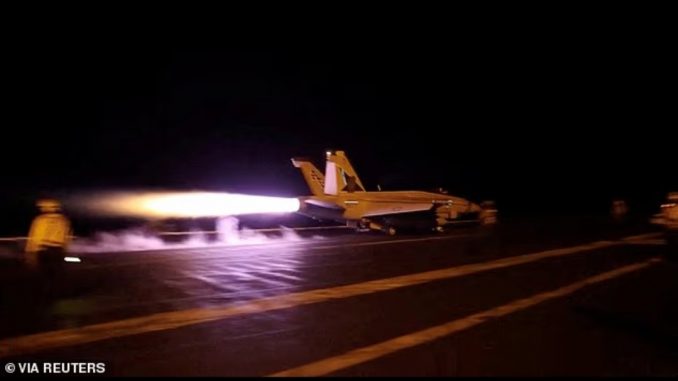
A US military aircraft takes off from an unknown location ahead of the strikes
Published August 1 , 2026


👥 Public / Political Reactions:
🇺🇸 President Donald Trump and the White House
President Donald Trump defended the possibility of additional military action against Iran, arguing that the United States must respond decisively to any attacks on American personnel, allies, or strategic interests in the Middle East.
The White House said all military options remain under consideration and emphasized that any future action would be intended to deter further aggression while protecting regional stability and global energy security.
➡️ Position: The Trump administration maintains that a credible military deterrent is necessary to prevent further Iranian attacks and safeguard U.S. national security interests.
🇮🇷 Iranian Government
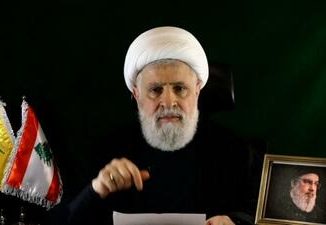
Iranian officials strongly condemned Trump’s warning, describing the threat of additional strikes as a violation of international law and national sovereignty.
Tehran warned that any U.S. attack on Iranian energy infrastructure would be met with a significant military response. Iranian leaders also reaffirmed that the country would defend its territory and strategic assets against any foreign aggression.
➡️ Position: Iran insists it will respond forcefully to any additional U.S. military action and accuses Washington of escalating regional tensions.
🏛️ U.S. Lawmakers
Reaction in Congress reflected longstanding divisions over U.S. policy toward Iran.
Many Republican lawmakers expressed support for maintaining military pressure on Tehran, arguing that a strong response is necessary to deter future attacks and protect American forces in the region.
Several Democratic lawmakers called for restraint and urged the administration to consult Congress before undertaking any large-scale military operation. They also emphasized the importance of diplomatic engagement to prevent a wider regional conflict.
➡️ Position: Congress remains divided between supporting a tougher military posture toward Iran and advocating greater emphasis on diplomacy and congressional oversight.
🌍 International Community
Several governments and international organizations called for restraint as tensions continued to rise.
Regional allies closely monitored developments, while European leaders urged both Washington and Tehran to avoid actions that could trigger a broader conflict. International officials also expressed concern over the potential impact of escalating hostilities on regional stability and global energy markets.
➡️ Position: Much of the international community supports de-escalation and renewed diplomatic efforts to prevent further military confrontation.
📰 Media and Political Commentary
Coverage of Trump’s warning reflected differing editorial perspectives.
Some media organizations highlighted the administration’s willingness to consider strikes on Iran’s energy infrastructure as a demonstration of military resolve. Others focused on the potential consequences of escalation, including retaliation, disruptions to global oil supplies, and the risk of a wider regional conflict.
➡️ Position: Media coverage remains divided between emphasizing military deterrence and warning about the dangers of further escalation.
👥 Public Response
Public reaction has been mixed in the United States and abroad.
Supporters of the administration argued that maintaining a strong military posture is necessary to deter Iran and protect American interests and allies.
Critics warned that additional military action could increase the likelihood of a prolonged regional conflict and urged greater emphasis on diplomacy to reduce tensions.
➡️ Position: Public opinion remains divided between support for a stronger military response and calls for diplomatic solutions to avoid a broader war.
⚠️ Resulting Effects:
President Trump’s warning of potential new military strikes against Iran has intensified tensions across the Middle East, prompting renewed concerns about regional stability, global energy markets, and the possibility of a broader conflict. While no additional strikes have been confirmed, the strong rhetoric has already produced several immediate effects.
🇺🇸 1. U.S. Military Forces Remain on High Alert
- American forces and military assets in the Middle East continue to monitor potential threats.
- Additional defensive measures may be implemented to protect U.S. personnel and regional bases.
- Intelligence agencies are closely tracking Iran’s military activities.
⚠️ Effect: The risk of military confrontation remains elevated as both sides maintain heightened readiness.
🇮🇷 2. Iran Signals It Will Not Back Down
- Iranian officials have condemned the U.S. warnings and vowed to defend the country’s sovereignty.
- Tehran has continued issuing statements warning against further American military action.
- Diplomatic tensions between Washington and Tehran remain high.
⚠️ Effect: The exchange of threats increases the possibility of miscalculation that could trigger a wider conflict.
⛽ 3. Global Oil Markets Face Renewed Uncertainty
- Investors are closely watching developments involving the Strait of Hormuz, one of the world’s busiest oil shipping routes.
- Any disruption to maritime traffic could affect global energy supplies.
- Energy markets remain sensitive to developments in the region.
📈 Effect: Oil prices could become more volatile as geopolitical tensions continue.
🌍 4. Regional Allies Are Watching Closely
- U.S. allies throughout the Middle East are monitoring the situation while reviewing their own security measures.
- Neighboring countries are concerned that further escalation could spread beyond Iran.
- Diplomatic efforts to reduce tensions continue behind the scenes.
🌐 Effect: Regional governments may increase security preparedness while encouraging diplomatic solutions.
🕊️ 5. Diplomatic Efforts Face New Challenges
- International leaders continue urging restraint from both Washington and Tehran.
- Negotiations over Iran’s nuclear program and regional security remain complicated by rising tensions.
- Calls for de-escalation have intensified as military rhetoric increases.
📢 Effect: Diplomatic progress may become more difficult unless both sides reduce tensions and return to negotiations.
🚨 6. Global Security Concerns Continue to Rise
- Financial markets, governments, and international organizations are closely monitoring developments.
- Businesses operating in the region are reviewing contingency plans.
- The possibility of further escalation remains a major concern for the international community.
🧭 Effect: Continued uncertainty could have lasting impacts on regional security, international trade, and global economic confidence if tensions continue to escalate.
🔮 Future Outlook:
Future Outlook:
The coming weeks will be critical in determining whether tensions between the United States and Iran move toward renewed diplomacy or a wider military confrontation. While both sides continue to project strength, the risk of miscalculation remains high, and developments on the ground could rapidly alter the situation.
🇺🇸 1. The U.S. Could Launch Additional Military Action
- President Trump has warned that any attack on U.S. personnel or interests would be met with a swift and overwhelming response.
- The U.S. military is expected to maintain a strong presence across the region.
- Further strikes remain possible if Washington determines that Iran or its proxies have escalated hostilities.
🔍 Outlook: Any new attack on U.S. forces could trigger another round of American military operations.
🇮🇷 2. Iran Is Likely to Continue Projecting Defiance
- Iranian leaders have vowed not to yield to military pressure.
- Tehran may continue strengthening its regional alliances while avoiding actions that could provoke a full-scale war.
- Officials are expected to continue balancing deterrence with efforts to avoid direct conflict.
⚠️ Outlook: Iran will likely continue responding through diplomatic messaging, military preparedness, and regional influence.
🌍 3. Diplomatic Channels May Remain Open
- International mediators are expected to continue encouraging dialogue.
- Regional partners may attempt to prevent further escalation through back-channel negotiations.
- The future of broader negotiations will depend on actions taken by both governments.
🌐 Outlook: Diplomacy remains possible, but progress will depend on whether tensions can be reduced.
⛽ 4. Energy Markets Will Closely Monitor Developments
- Global oil and shipping markets will remain sensitive to events in the Persian Gulf.
- Any disruption affecting the Strait of Hormuz could have international economic consequences.
- Investors are expected to react quickly to military or diplomatic developments.
📈 Outlook: Continued uncertainty could contribute to market volatility until the regional situation becomes clearer.
🛡️ 5. Regional Security Will Remain a Priority
- Countries across the Middle East are expected to maintain heightened security measures.
- Military forces may remain on alert as governments prepare for potential escalation.
- Intelligence sharing among allies is likely to continue.
🚨 Outlook: Even without immediate conflict, the region is expected to remain on heightened alert.
🕊️ 6. Avoiding a Broader War Will Be the Key Challenge
- Both the United States and Iran face pressure to protect their national interests while avoiding a wider regional conflict.
- Decisions made by political and military leaders in the coming weeks could shape the region’s security environment for years to come.
- The international community will continue urging restraint and diplomatic engagement.
🧭 Outlook: Whether the crisis escalates or stabilizes will largely depend on future actions, communication between the parties, and the effectiveness of diplomatic efforts to prevent further conflict.
🧩 Bottom Line:
Bottom Line:
President Trump’s warning of possible new strikes against Iran underscores how quickly tensions in the Middle East can escalate. While both Washington and Tehran continue to project strength, the path they choose in the coming days could determine whether the region moves toward renewed diplomacy or a broader military confrontation.
For the international community, the stakes extend far beyond the United States and Iran. Any significant escalation could affect regional security, global energy markets, international trade, and the safety of civilians across the Middle East. At the same time, restraint and diplomatic engagement could help reduce the risk of a wider conflict.
SOURCES: DAILYMAIL ONLINE – World braces for weekend of war as Iran names new targets…after Trump orders fresh round of strikes on Tehran
GULF NEWS – US plans new Iran strikes as Trump warns, Tehran prepares response
NDTV WORLD – US To Bomb Iran This Weekend? Trump Gives “Hit Very Hard” Nod To Military