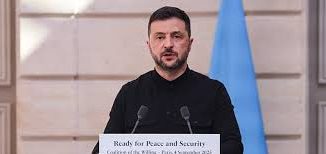
Emergency responders work through the wreckage of residential buildings in Kyiv after one of the largest Russian missile and drone attacks since the start of the war, as world leaders prepare to gather for the NATO summit.
Published July 6, 2026
KYIV, Ukraine — Russia unleashed one of the largest aerial assaults of the war overnight, striking Kyiv and several other regions with waves of missiles and drones in a devastating attack that left at least 11 people dead and dozens more injured just hours before NATO leaders convened for a pivotal summit.
The barrage, which Ukrainian officials described as one of the most intense attacks in recent months, targeted residential neighborhoods, critical infrastructure, and other areas across the capital. Rescue teams spent hours digging through collapsed apartment buildings while firefighters battled multiple blazes ignited by falling debris. Initial reports indicated at least 11 fatalities, though officials warned the death toll could rise as search operations continued.
The strike came only days after another deadly Russian attack on Kyiv, underscoring Moscow’s continued reliance on long-range missile and drone campaigns despite years of fighting that have transformed the conflict into one of attrition.
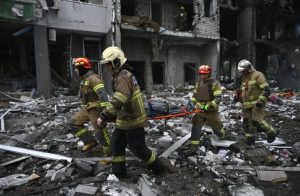 Rescuers carry the body of a victim from a residential building damaged following a Russian missile strike on the Ukrainian capital [Genya Savilov/AFP]
A Massive Overnight Barrage
According to Ukrainian authorities, Russia launched dozens of missiles alongside hundreds of attack drones in coordinated waves that stretched into the early morning hours.
Air raid sirens echoed across Kyiv as residents sought refuge in subway stations, underground shelters, and building basements while air defense units attempted to intercept incoming weapons.
Although Ukrainian forces destroyed many drones and cruise missiles, officials acknowledged that several ballistic missiles penetrated the country’s air defenses, striking populated districts and causing widespread destruction.
Apartment buildings suffered direct hits, vehicles burned in the streets, and emergency crews raced from one impact site to another as explosions reverberated across the capital.
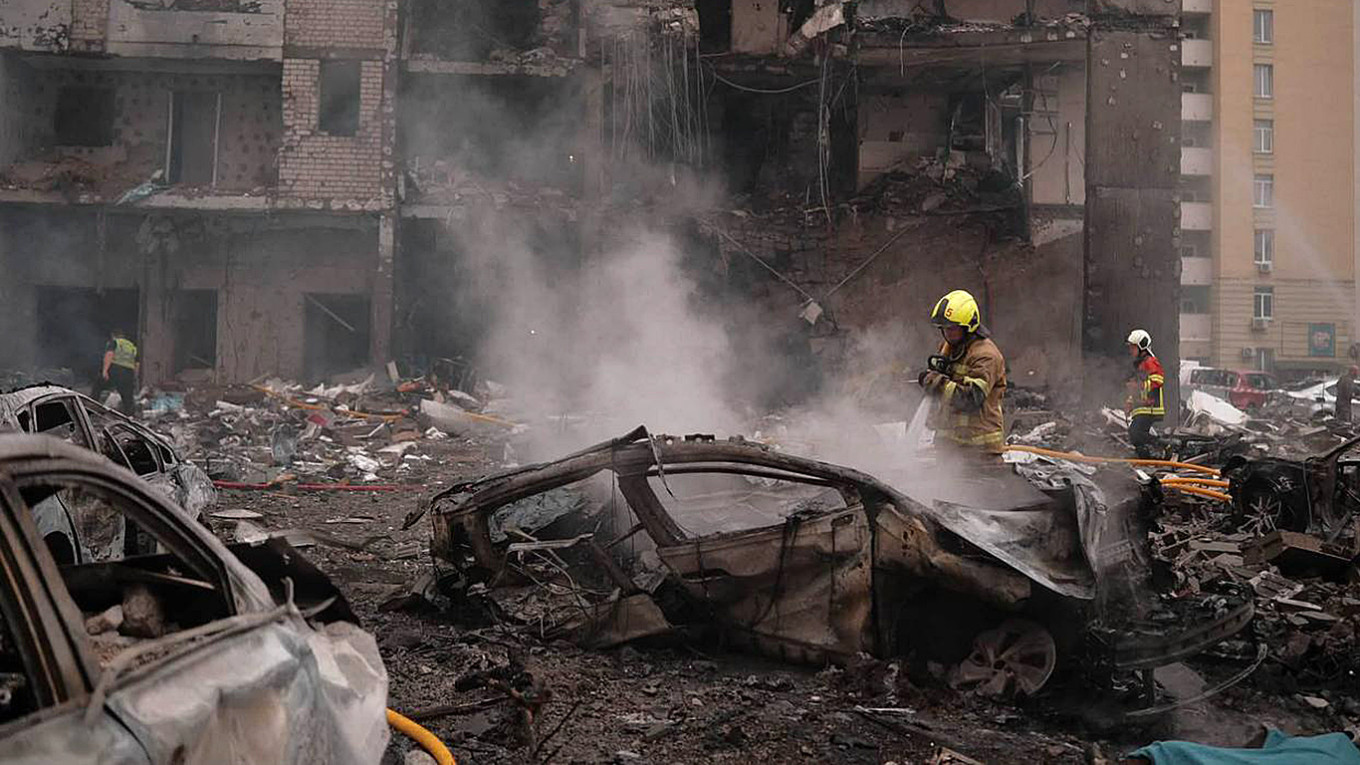 Wreckage caused by a Russian attack on Kyiv on July 6, 2026.Ukrainian State Emergency Service
Civilian Areas Bear the Brunt
Among the hardest-hit locations were residential neighborhoods where apartment blocks partially collapsed following direct missile impacts.
Images released by emergency services showed rescue workers carrying injured residents from shattered buildings while firefighters searched smoke-filled stairwells for survivors.
Families who survived described spending terrifying hours underground as successive explosions shook their neighborhoods.
Officials reported significant damage to homes, public infrastructure, and utilities, forcing evacuations in several districts while engineers assessed the structural safety of damaged buildings.
A Warning Before NATO Meets
The timing of the assault has drawn particular attention.
The attack occurred on the eve of a major NATO summit, where Ukrainian President Volodymyr Zelenskyy is expected to meet with allied leaders and renew appeals for additional military assistance, particularly advanced air-defense systems.
Kyiv has repeatedly argued that shortages of interceptor missiles—especially for U.S.-supplied Patriot batteries—have made it increasingly difficult to defend against Russia’s expanding use of ballistic missiles.
Officials say Monday’s barrage highlighted those growing vulnerabilities.
 Rescuers work on a multistorey residential building, damaged following a Russian missile strike on the Ukrainian capital of Kyiv on July 6, 2026, amid the Russian invasion in Ukraine. Photo by GENYA SAVILOV / AFP
Russia and Ukraine Continue Long-Range Strikes
While Russia intensified attacks on Ukrainian cities, Ukraine also continued conducting long-range drone operations against targets inside Russian-controlled territory and within Russia itself.
Both sides have increasingly relied on drones, cruise missiles, and long-range precision weapons as front-line advances remain limited across much of eastern Ukraine.
Military analysts say the growing exchange of long-range strikes reflects the changing nature of the conflict, with each side attempting to damage logistics, energy infrastructure, and military production far from the battlefield.
 This handout picture, taken and released by the Ukrainian State Emergency Service on July 6, 2026, shows burnt cars parked outside a multistorey residential building partially destroyed as a result of a Russian missile strike on the Ukrainian capital of Kyiv amid the Russian invasion in Ukraine. Photo by HANDOUT / UKRAINIAN STATE EMERGENCY
International Attention Returns to Ukraine
The latest attack is expected to dominate discussions among NATO leaders gathering for this week’s summit.
Ukraine is expected to press its allies for additional Patriot interceptor missiles, expanded military aid, and stronger security guarantees as Russian aerial attacks continue to increase in both size and frequency.
The assault also comes amid renewed diplomatic efforts involving U.S. President Donald Trump, who is expected to discuss the conflict with both President Zelenskyy and Russian President Vladimir Putin during meetings surrounding the summit.
A War Showing No Signs of Slowing
More than four years after Russia’s full-scale invasion began, the overnight bombardment served as another reminder that the conflict remains capable of producing devastating attacks far from the front lines.
For Kyiv’s residents, the night was marked not by diplomacy or international summits but by collapsing buildings, emergency sirens, and frantic rescue efforts.
As rescue workers continue searching through the rubble, attention now shifts to whether the latest assault will prompt additional military support from Ukraine’s Western partners—or signal another dangerous escalation in a war that continues to reshape European security.
 Public / Political Reactions:
🇺🇦 Ukrainian Government
Ukrainian leaders strongly condemned the overnight missile and drone barrage, describing it as one of the most destructive attacks on Kyiv in recent months and accusing Russia of deliberately targeting civilians ahead of the NATO summit.
- President Volodymyr Zelenskyy urged NATO leaders to make decisive decisions by providing additional Patriot air defense systems and long-range defensive capabilities.
- Foreign Minister Andrii Sybiha called for greater international pressure on Moscow and requested stronger diplomatic action through international organizations.
- Ukrainian authorities pledged to continue rescue operations, document evidence from the attack sites, and pursue accountability for potential violations of international humanitarian law.
➡️ Position: Ukraine says the attack demonstrates the urgent need for expanded Western military assistance, stronger air defenses, and increased international pressure on Russia.
🇷🇺 Russian Government
Russia defended the operation, insisting that its forces targeted military-related facilities rather than civilians.
- The Russian Defense Ministry stated that the strikes were aimed at Ukraine’s military infrastructure, defense industry, and logistics facilities.
- Moscow described the attacks as retaliation for recent Ukrainian drone strikes conducted inside Russian territory.
- Russian officials rejected accusations of deliberately attacking civilians and maintained that the operation was directed against legitimate military objectives.
➡️ Position: Russia maintains the strikes were lawful military operations carried out in response to Ukrainian attacks.
🌍 NATO and Western Allies
The large-scale assault drew swift condemnation from NATO members and Ukraine’s Western partners.
- NATO leaders condemned the attacks on civilian areas and reaffirmed their commitment to supporting Ukraine.
- Several European governments renewed calls for increased military assistance, particularly additional Patriot missile batteries and interceptor missiles.
- Allied officials stressed that Russia’s latest offensive highlights the importance of maintaining unity and strengthening European security.
➡️ Position: NATO allies believe the attack reinforces the need for continued military, financial, and humanitarian support for Ukraine.
🏛️ International Organizations
International organizations expressed deep concern over the humanitarian impact of the strikes.
- The United Nations renewed calls for the protection of civilians and full compliance with international humanitarian law.
- Humanitarian organizations warned that repeated attacks on residential areas continue to worsen Ukraine’s humanitarian crisis.
- Human rights groups urged independent investigations into attacks that may constitute violations of the laws of armed conflict.
➡️ Position: International organizations are calling for civilian protection, humanitarian assistance, accountability, and respect for international law.
👥 Public Response
Residents across Kyiv once again spent the night sheltering in subway stations, underground bunkers, and basements as missiles and drones struck the capital.
- Emergency responders and volunteers worked through the night searching damaged buildings for survivors.
- Ukrainians shared images and videos showing collapsed apartment buildings, fires, and rescue operations across social media.
- Despite the destruction, many residents expressed determination to continue living and rebuilding while enduring repeated aerial attacks.
➡️ Position: The latest assault strengthened public resilience while highlighting growing fears over the increasing frequency of Russian missile and drone attacks.
🏛️ Broader Political Impact
The attack is expected to influence discussions at the NATO summit and shape future international policy toward the war.
- Analysts believe the timing of the strikes was intended to send a strategic message ahead of the NATO meeting.
- Ukraine is expected to intensify calls for expanded air defense systems, additional military assistance, and long-term security guarantees.
- The assault is also likely to strengthen discussions on tougher sanctions against Russia and increased defense cooperation among NATO members.
➡️ Position: The latest bombardment is expected to reinforce international backing for Ukraine while increasing pressure on NATO allies to expand military support and regional security cooperation.
 Resulting Effects:
The latest large-scale Russian missile and drone assault on Kyiv has intensified the humanitarian crisis, heightened military tensions, and placed renewed international focus on the Russia–Ukraine war ahead of the NATO summit. Beyond the immediate casualties and destruction, the attack is expected to influence military strategy, diplomatic discussions, and future Western support for Ukraine.
1. Rising Civilian Casualties and Humanitarian Crisis
The overnight bombardment caused widespread destruction across Kyiv and several other Ukrainian regions.
🏥 At least 11 people were killed, while dozens more were injured during the attacks.
🏚️ Apartment buildings, homes, public infrastructure, and civilian facilities sustained significant damage from missiles and drone strikes.
🚑 Emergency crews continued rescue operations as displaced residents sought temporary shelter and humanitarian assistance.
➡️ Result: Large-scale aerial assault → increased civilian casualties, displacement, and worsening humanitarian conditions.
2. Renewed Calls for Stronger Air Defense Systems
The attack once again exposed the challenges of defending Ukrainian cities against coordinated missile and drone barrages.
🛡️ Ukraine renewed urgent requests for additional Patriot missile batteries, interceptor missiles, and advanced air defense systems.
🚀 Officials stressed that strengthening air defenses remains essential to protecting civilians and critical infrastructure.
🤝 Western allies are expected to face increased pressure to accelerate military deliveries.
➡️ Result: Intensified Russian attacks → greater demand for expanded Western air defense assistance.
3. Increased International Pressure on Russia
The assault triggered widespread condemnation from Ukraine’s allies and international organizations.
🌍 Western governments denounced the attacks and reaffirmed support for Ukraine.
⚖️ International organizations renewed calls for compliance with international humanitarian law and civilian protection.
📢 Human rights organizations urged investigations into possible violations of the laws of armed conflict.
➡️ Result: Deadly strikes on civilian areas → increased diplomatic pressure and international scrutiny of Russia.
4. NATO Summit Discussions Intensified
The timing of the attack placed additional urgency on discussions among NATO leaders.
🤝 Ukraine is expected to seek expanded military assistance and stronger long-term security commitments.
🛡️ NATO members are likely to prioritize discussions on air defense cooperation and continued support for Ukraine.
🌐 The assault reinforced concerns over European security and regional stability.
➡️ Result: Attack before NATO summit → renewed focus on military assistance and collective defense planning.
5. Continued Escalation of the Russia–Ukraine War
The latest barrage demonstrated that both sides continue expanding long-range warfare.
💥 Russia continues employing large-scale missile and drone attacks against Ukrainian cities.
🎯 Ukraine is expected to maintain long-range drone strikes against military and strategic targets inside Russia.
🕊️ Prospects for meaningful peace negotiations remain limited as military operations continue to intensify.
➡️ Result: Ongoing long-range strikes → deeper military escalation and reduced prospects for an immediate diplomatic breakthrough.
6. Long-Term Impact on European Security
The attack reinforced concerns that the war will continue shaping Europe’s security environment.
✈️ NATO members are expected to maintain heightened military readiness along the alliance’s eastern flank.
📡 European countries are likely to expand investments in missile defense, surveillance, and regional defense cooperation.
📖 Military planners will continue adapting strategies to address the growing use of drones, ballistic missiles, and long-range precision weapons.
➡️ Result: Continued conflict → strengthened European defense cooperation and increased regional security preparedness.
 Future Outlook:
The latest Russian missile and drone assault on Kyiv highlights the continuing intensity of the Russia–Ukraine war and is expected to shape military operations, international diplomacy, and security planning in the months ahead. As both sides continue long-range strikes, the conflict is likely to remain one of the world’s most significant geopolitical crises.
1. Russia Is Expected to Continue Large-Scale Missile and Drone Attacks
Moscow is likely to maintain its strategy of conducting coordinated long-range strikes against Ukrainian cities and infrastructure.
🚀 Russian forces are expected to continue targeting military facilities, logistics hubs, energy infrastructure, and urban centers.
💥 Combined missile and drone barrages will likely remain a central component of Russia’s military campaign.
⚠️ Ukrainian authorities continue urging civilians to remain prepared for additional large-scale air raids.
➡️ Outlook: Continued Russian military operations → sustained threat of missile and drone attacks across Ukraine.
2. Ukraine Will Continue Strengthening Its Air Defenses
Kyiv is expected to intensify efforts to improve protection against future aerial assaults.
🛡️ Ukraine will continue requesting additional Patriot missile batteries, interceptor missiles, and advanced air defense systems from its allies.
🤝 Western nations may accelerate military assistance to strengthen Ukraine’s defensive capabilities.
🏗️ Authorities are also expected to expand civilian shelters, emergency warning systems, and disaster response planning.
➡️ Outlook: Ongoing Russian attacks → greater emphasis on strengthening Ukraine’s air defense network.
3. NATO and Western Support Is Likely to Increase
The timing of the attack ahead of the NATO summit is expected to reinforce allied support for Ukraine.
🌍 NATO members are likely to continue providing military, financial, and humanitarian assistance.
🛡️ Discussions may focus on expanding air defense cooperation and improving Europe’s collective security posture.
🤝 Western governments are expected to maintain diplomatic and economic pressure on Russia.
➡️ Outlook: Continued escalation → sustained international support for Ukraine and closer NATO coordination.
4. Diplomatic Prospects Remain Uncertain
Despite ongoing international efforts, the possibility of a negotiated settlement remains limited.
🕊️ Russia and Ukraine continue pursuing their military objectives while showing little sign of immediate compromise.
⚖️ International organizations are expected to keep urging civilian protection and adherence to international humanitarian law.
📢 Diplomatic initiatives may continue, but significant progress toward a ceasefire remains uncertain.
➡️ Outlook: Persistent fighting → limited prospects for a comprehensive peace agreement in the near term.
5. Humanitarian Challenges Will Continue to Grow
Repeated attacks are expected to place increasing pressure on Ukraine’s civilian population.
🏥 Hospitals, emergency responders, and humanitarian organizations are likely to face rising demands for medical care and relief operations.
🏚️ Reconstruction of damaged homes, public infrastructure, and essential services will require substantial long-term investment.
👨👩👧 Civilians living in major cities and frontline regions are expected to remain vulnerable to future attacks.
➡️ Outlook: Continuing conflict → expanding humanitarian needs and long-term reconstruction challenges.
6. European Security Will Remain Under Intense Focus
The war is expected to continue reshaping defense planning across Europe.
✈️ NATO members are likely to maintain heightened surveillance and military readiness along the alliance’s eastern border.
🌐 European governments are expected to increase investments in missile defense, intelligence sharing, and regional security cooperation.
📖 Military planners will continue adapting to the growing use of drones, ballistic missiles, and long-range precision weapons that increasingly define the conflict.
➡️ Outlook: Prolonged war → continued emphasis on European security, defense modernization, and international cooperation.
 Bottom Line:
Russia’s latest missile and drone assault on Kyiv marks another major escalation in a war that shows little sign of ending. The large-scale attack, launched just before a crucial NATO summit, not only inflicted deadly casualties and widespread destruction but also underscored Moscow’s continued ability to conduct coordinated long-range strikes against Ukraine’s capital despite years of conflict.
For Ukraine, the bombardment reinforces the urgent need for stronger air defense systems, expanded military assistance, and sustained international support as Russian attacks become increasingly frequent and sophisticated. For NATO and its allies, the timing of the assault serves as a reminder that the outcome of the war will continue to shape European security and global stability for years to come.
As rescue crews continue searching through the rubble and world leaders gather to discuss the next phase of support for Kyiv, the latest attack illustrates the harsh reality facing millions of Ukrainians: while diplomatic efforts continue, the war remains defined by relentless missile strikes, mounting humanitarian suffering, and an increasingly dangerous cycle of military escalation.
Whether the latest assault leads to stronger international action or signals another prolonged phase of the conflict, one thing remains clear—peace remains elusive, and the Russia–Ukraine war continues to exact a devastating human cost with no immediate end in sight.
SOURCES: ZEROHEDGE – Russia & Ukraine Trade Some Of Biggest Strikes Of War On Eve Of NATO Summit
THE MOSCOW TIMES – Fresh Russian Attack on Kyiv Kills At Leas
AL JAZEERA – Russian attacks on Ukraine kill 11 on eve of NATO summit, authorities say