AP Photo/Allison Robbert
Published July 29, 2026
WASHINGTON, D.C. — Sen. John Fetterman (D-Pa.) drew attention during a Senate hearing this week after suggesting that partisan politics may have prevented lawmakers from objectively examining key questions surrounding the COVID-19 pandemic.
While much of the hearing centered on former White House Chief Medical Adviser Dr. Anthony Fauci, Fetterman’s comments stood out because they reflected a rare moment of self-criticism from a Democratic lawmaker regarding how the pandemic was discussed in Washington.
Fetterman Reflects on Political Polarization
Fetterman acknowledged that the intense political environment during the pandemic may have influenced how elected officials—and the public—viewed competing claims about COVID-19.
He suggested that strong partisan divisions made it more difficult to openly examine emerging evidence and alternative viewpoints, arguing that political loyalty should never outweigh a commitment to finding the truth.
His remarks contrasted with the broader partisan tone that has often characterized congressional debates over the pandemic.
A Rare Break From Democratic Messaging
Fetterman’s willingness to recognize the role of partisanship quickly attracted attention from both supporters and critics.
Conservative commentators described his remarks as an unusual acknowledgment that political bias may have shaped the national conversation surrounding COVID-19, while others viewed his comments as a call for greater intellectual honesty rather than a shift in policy.
Although Fetterman did not abandon Democratic positions on public health, he emphasized the importance of allowing legitimate questions to be examined without automatically viewing them through a partisan lens.
Calls for Greater Transparency
The Pennsylvania senator stressed that restoring public trust requires openness and accountability from government institutions.
He argued that Americans deserve confidence that important decisions are based on evidence rather than political considerations, particularly during national emergencies that affect millions of lives.
Fetterman also suggested that elected officials should be willing to acknowledge mistakes when new information becomes available instead of allowing political divisions to prevent honest reassessment.
COVID-19 Debate Continues to Evolve
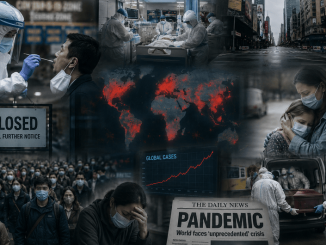
The pandemic remains one of the most politically divisive events in recent American history, with disagreements continuing over public health policies, government messaging, scientific research, and the origins of the virus.
Fetterman’s remarks highlighted how some lawmakers are now reflecting on whether excessive partisanship complicated efforts to evaluate evidence and communicate effectively with the public.
Bipartisan Trust Remains Elusive
Although Fetterman’s comments were welcomed by some Republicans as a step toward a more balanced discussion, deep disagreements remain over how the pandemic should be evaluated and what lessons should be learned.
Whether his remarks encourage broader bipartisan reflection remains uncertain. However, they added a new dimension to the ongoing national conversation by raising a question that extends beyond COVID-19 itself: how political polarization can shape public trust, government decision-making, and the search for truth during times of crisis.
⚠️ Implications:
Sen. John Fetterman’s remarks may signal a broader conversation about how political polarization shaped public discourse during the COVID-19 pandemic. While his comments do not change existing public health policies or scientific findings, they have renewed debate over whether partisan divisions prevented a more open examination of competing viewpoints and may influence how future national crises are addressed.
🏛️ 1. Calls for Bipartisan Reflection May Grow
- Fetterman’s comments suggest that lawmakers from both parties should be willing to reexamine how political divisions influenced pandemic discussions.
- Some observers argue that acknowledging past polarization is an important step toward rebuilding public trust.
- Others maintain that policy decisions should continue to be judged primarily on the available scientific evidence at the time.
🔍 Implication: More lawmakers may face pressure to evaluate past decisions through a less partisan lens as discussions about the pandemic continue.
🤝 2. Public Trust Could Become a Central Focus
- Confidence in government institutions, public health agencies, and elected officials remains divided years after the pandemic.
- Calls for greater transparency continue across the political spectrum.
- Rebuilding trust may require clearer communication and greater openness during future public health emergencies.
📢 Implication: Strengthening public confidence could become as important as developing effective health policies during future crises.
🦠 3. COVID-19 Debates Are Unlikely to End Soon
- Questions surrounding pandemic policies, government messaging, and the origins of COVID-19 continue to generate public interest.
- Congressional oversight and public discussions remain active.
- Different political perspectives continue to shape how many Americans interpret the pandemic’s legacy.
⚠️ Implication: The pandemic is likely to remain a significant political and policy issue for years to come.
🗣️ 4. Political Leaders May Face Greater Expectations for Independent Thinking
- Fetterman’s remarks were viewed by some as an example of breaking with traditional party messaging.
- Voters increasingly expect elected officials to demonstrate independent judgment on major national issues.
- Public willingness to challenge partisan assumptions may become more valued across the political spectrum.
🌐 Implication: Lawmakers who publicly question their own party’s approach may receive increased attention as voters seek more independent leadership.
📚 5. Future Crisis Management Could Benefit From Broader Debate
- Public health emergencies often require rapid decisions based on evolving information.
- Encouraging open scientific discussion and respectful debate may help improve future policymaking.
- Policymakers continue evaluating lessons learned from the COVID-19 response.
🛡️ Implication: Future emergency responses may place greater emphasis on transparency, open dialogue, and adapting policies as new evidence emerges.
🇺🇸 6. The Pandemic’s Political Legacy Continues
- COVID-19 reshaped public attitudes toward government, healthcare, and institutional accountability.
- Discussions about the pandemic now extend beyond public health into broader questions of governance and public confidence.
- Fetterman’s remarks illustrate that the political impact of the pandemic remains an evolving issue.
📈 Implication: The lessons drawn from COVID-19 are likely to continue influencing American politics, public policy, and institutional reform well beyond the pandemic itself.
💬 Overall Takeaway:
Sen. John Fetterman’s remarks resonated not because they introduced new evidence about COVID-19, but because they reflected on how political polarization may have shaped the national conversation during one of the most challenging periods in modern history. For many Americans, the pandemic was defined not only by illness and loss, but also by confusion, rapidly changing guidance, and deep divisions over public health policies, scientific research, and government transparency.
His comments serve as a reminder that rebuilding public trust requires more than revisiting the past—it requires a willingness to examine difficult questions openly, acknowledge where politics may have influenced public discourse, and ensure that future decisions are guided by evidence rather than partisan loyalties. Regardless of political affiliation, many Americans continue to seek greater transparency, accountability, and honest reflection on the lessons learned from the pandemic.
As the country looks ahead, the broader challenge extends beyond assigning blame. It involves strengthening public confidence in institutions, improving communication during national emergencies, and fostering an environment where scientific debate and public accountability can coexist. Whether Fetterman’s remarks mark the beginning of a broader bipartisan conversation remains to be seen, but they underscore a growing recognition that overcoming political division may be essential to preparing for the next public health crisis.
SOURCES: TOWNHALL – John Fetterman Was the Only Decent Democrat at Today’s Fauci Hearing
REDSTATE – There Was but One Democrat at the Fauci Hearing Willing to Admit Partisanship May Have Blinded Him