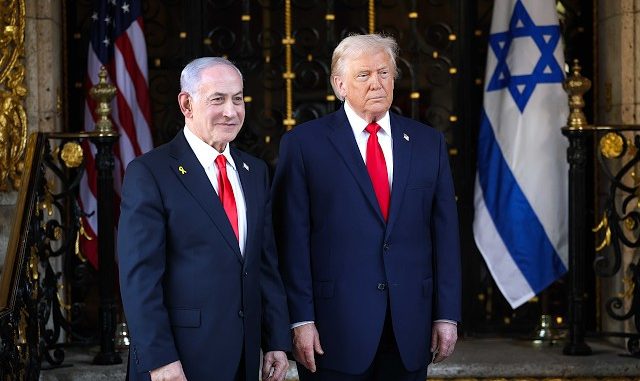
Prime Minister Benjamin Netanyahu and President Trump’s meeting comes as diplomatic efforts continue to ease tensions between Washington and Tehran and reach an agreement to reopen the Strait of Hormuz.
Published July 29 , 2026
WASHINGTON, D.C. / TEHRAN — Iran has signaled it wants greater authority over shipping through the Strait of Hormuz, intensifying tensions with the United States and its regional allies as President Donald Trump hosted Israeli Prime Minister Benjamin Netanyahu for talks centered on Iran, regional security, and the future of the Middle East.
The developments come just weeks after military confrontations between Iran, Israel, and the United States, underscoring that despite renewed diplomatic contacts, fundamental disagreements remain unresolved. While Trump expressed optimism about future negotiations, Tehran simultaneously advanced proposals that would expand its role over one of the world’s most strategically important maritime chokepoints.
Iran Pushes for Greater Oversight of the Strait of Hormuz
According to reports, Iran has proposed a temporary arrangement that would place commercial vessels transiting the Strait of Hormuz under greater Iranian supervision.
Iranian officials argue the proposal would improve maritime security following months of conflict and attacks affecting Gulf shipping. However, the plan has raised concerns among Western governments and regional partners, who view the Strait as an international waterway where freedom of navigation must be preserved.
The proposal has fueled fresh debate over whether Tehran is attempting to translate recent military leverage into greater strategic influence over one of the world’s busiest energy corridors.
Trump and Netanyahu Focus on Iran
During Netanyahu’s visit to Washington, Iran dominated discussions between the two leaders.
Trump said there was a possibility of progress in talks with Tehran but reaffirmed that the United States would continue preventing Iran from obtaining a nuclear weapon and would defend freedom of navigation in the Gulf.
Netanyahu reiterated that Israel would not accept any arrangement that strengthens Iran’s military position or expands its regional influence, stressing that Israeli security remains non-negotiable.
Tehran Rejects Western Pressure
Iran has continued rejecting what it describes as Western attempts to dictate regional security arrangements.
Iranian officials insist that the country’s security interests must be recognized following recent hostilities and maintain that any future maritime framework should acknowledge Iran’s role as a Gulf power.
Tehran has also criticized continued U.S. military deployments in the region, arguing that foreign forces—not Iran—are the primary source of instability.
Hormuz Remains a Global Flashpoint
The Strait of Hormuz carries a significant share of the world’s seaborne oil exports, making any proposal affecting navigation an issue of global concern.
Shipping companies, energy markets, and governments continue closely monitoring developments, as even temporary disruptions could impact global oil prices and international trade.
Analysts warn that disagreements over maritime control could become another major point of confrontation between Iran and the United States if diplomatic efforts fail.
Diplomacy Continues Under the Shadow of Confrontation
Although diplomatic channels remain open through regional mediators, the latest developments highlight the fragile state of negotiations.
Trump has expressed confidence that dialogue can continue, but Tehran’s push for greater influence over Hormuz and Israel’s firm opposition illustrate how deeply divided the parties remain on regional security.
Observers say the coming weeks will reveal whether diplomacy can ease tensions—or whether competing strategic interests will push the region toward another dangerous escalation.
👥 Public / Political Reactions:
🇮🇷 Iran
Iranian leaders defended Tehran’s proposal regarding the Strait of Hormuz, arguing that the country has a legitimate role in safeguarding one of the world’s most strategically important waterways.
- Iranian officials rejected U.S. pressure over freedom of navigation, insisting that Iran’s security concerns cannot be ignored.
- Tehran warned that attempts to isolate or pressure Iran would only increase regional instability.
- Iranian officials also pushed back against Trump’s statements on negotiations, maintaining that Iran would not negotiate under threats or coercion.
➡️ Position: Iran says its Hormuz proposal reflects its sovereign security interests and rejects what it views as Western pressure.
🇺🇸 United States
President Donald Trump expressed cautious optimism about future diplomacy but reaffirmed that the United States would continue defending freedom of navigation and protecting its regional allies.
- Trump said discussions with Iran could still produce progress if Tehran demonstrates a willingness to engage.
- U.S. officials stressed that the Strait of Hormuz remains an international waterway and opposed any arrangement that could give Iran unilateral control over maritime transit.
- Washington reiterated that preventing Iran from obtaining nuclear weapons remains a core national security objective.
➡️ Position: The United States supports diplomacy but rejects any proposal that could restrict international navigation or strengthen Iran’s strategic leverage.
🇮🇱 Israel
Prime Minister Benjamin Netanyahu maintained that Israel remains deeply concerned about Iran’s regional ambitions.
- Israeli officials said any agreement involving Iran must address its missile program, nuclear activities, and support for allied armed groups.
- Netanyahu emphasized that Israel would continue acting against threats it considers imminent, regardless of ongoing negotiations.
- Israeli leaders warned that increased Iranian influence over the Strait of Hormuz could have significant regional security implications.
➡️ Position: Israel views Iran’s latest proposal as part of a broader effort to expand its regional influence and says security concerns remain paramount.
🌍 Regional and International Response
Governments across the Gulf and the wider international community closely monitored the developments.
- Gulf states continued supporting mediation efforts while emphasizing the importance of keeping commercial shipping routes open.
- International shipping and energy sectors expressed concern that renewed disputes over Hormuz could disrupt global trade.
- Diplomats urged all parties to avoid actions that could trigger another military escalation.
➡️ Position: Regional governments favor diplomacy but remain concerned about any actions that could threaten maritime security or energy supplies.
👥 Public Response
Reaction has been divided across the region and internationally.
- Supporters of Iran argue that Tehran has the right to protect its national security interests in the Gulf.
- Critics contend that expanding Iranian control over Hormuz could increase geopolitical tensions and threaten global commerce.
- Analysts note that the combination of high-level diplomacy and increasingly confrontational rhetoric has left many questioning whether negotiations can succeed.
➡️ Position: Public opinion remains divided between those who see Iran asserting its strategic interests and those who fear a renewed confrontation in the Middle East.
🏛️ Broader Political Impact
The simultaneous diplomatic outreach and escalating rhetoric underscore the fragile state of Middle East security.
- The Trump-Netanyahu meeting reaffirmed close U.S.-Israeli coordination on Iran policy.
- Iran’s Hormuz proposal has become a new focal point in broader disputes over regional influence and maritime security.
- Analysts say the coming weeks will determine whether diplomacy can overcome deep strategic divisions or whether tensions continue to rise.
➡️ Position: The latest developments highlight the difficult balance between diplomatic engagement and an increasingly confrontational regional security environment.
⚠️ Resulting Effects:
The renewed diplomatic engagement between the United States and Iran has unfolded alongside increasingly confrontational rhetoric over the Strait of Hormuz, highlighting the fragile balance between negotiation and deterrence. Iran’s proposal to expand its oversight of maritime transit, coupled with the Trump-Netanyahu meeting, has intensified concerns over regional security, global energy supplies, and the future of diplomacy in the Middle East.
1. Tensions Over the Strait of Hormuz Intensified
Iran’s proposal has renewed international concerns about freedom of navigation through one of the world’s most important maritime chokepoints.
🚢 Shipping companies and commercial vessels are closely monitoring developments in the Gulf.
⚓ Governments continue emphasizing the importance of keeping the Strait of Hormuz open to international commerce.
⚠️ Any future restrictions or confrontations in the waterway could significantly disrupt global trade.
➡️ Result: Iran’s Hormuz proposal → increased concerns over maritime security and international shipping.
2. Regional Security Concerns Deepened
The high-level meeting between Trump and Netanyahu reinforced concerns about Iran’s growing regional influence.
🛡️ Israel continues viewing Iran’s military activities and regional alliances as major security threats.
🇺🇸 The United States reaffirmed its commitment to supporting regional allies and maintaining military readiness.
🌍 Gulf states remain vigilant amid fears that additional confrontations could destabilize the region.
➡️ Result: Diplomatic talks alongside heightened rhetoric → increased regional security tensions.
3. Diplomatic Efforts Face Greater Challenges
Although communication channels remain open, significant differences continue separating Washington, Tehran, and Jerusalem.
🤝 Mediators are expected to continue encouraging dialogue to reduce the risk of further escalation.
📖 Iran’s stance on Hormuz and ongoing disputes over sanctions and regional security continue to complicate negotiations.
⚖️ Analysts say achieving a comprehensive agreement remains difficult given the competing strategic interests.
➡️ Result: Continued disagreements → slower progress toward broader diplomatic solutions.
4. Energy Markets Remain Sensitive
Developments involving the Strait of Hormuz continue to influence global energy markets.
🛢️ Investors remain alert to any disruption affecting Gulf oil exports.
📈 Uncertainty surrounding maritime security has contributed to continued market volatility.
🚢 International shipping operators continue reviewing security measures for vessels transiting the region.
➡️ Result: Heightened geopolitical uncertainty → continued pressure on global energy markets.
5. U.S.-Israel Coordination Strengthened
The Trump-Netanyahu meeting reaffirmed close cooperation between Washington and Jerusalem.
🇮🇱 Israel continues advocating for firm measures to counter Iran’s regional activities.
🇺🇸 The United States reiterated its support for Israel’s security while pursuing diplomatic options with Tehran.
🤝 Both governments emphasized maintaining close strategic coordination amid evolving regional developments.
➡️ Result: High-level consultations → strengthened U.S.-Israel strategic partnership.
6. Iran Continues Asserting Regional Influence
Tehran’s Hormuz proposal reflects its broader effort to reinforce its strategic role in Gulf security.
🇮🇷 Iranian leaders argue that the country’s security interests must be recognized in any future regional arrangement.
🌊 Iran continues emphasizing its influence over maritime security in the Gulf.
⚠️ Western governments remain cautious about proposals that could increase Iran’s leverage over international shipping.
➡️ Result: Iran’s position → continued geopolitical competition over regional influence.
7. Risk of Future Escalation Remains
Despite ongoing diplomatic contacts, the underlying disputes remain unresolved.
⚔️ Any military incident involving U.S., Israeli, or Iranian forces could quickly reverse diplomatic momentum.
🕊️ Regional stability will depend on restraint, continued negotiations, and efforts to avoid miscalculation.
🌍 Observers say the coming weeks will be critical in determining whether diplomacy gains traction or tensions intensify further.
➡️ Result: Unresolved strategic differences → persistent risk of renewed confrontation across the Middle East.
🔮 Future Outlook:
The coming weeks will be crucial in determining whether renewed diplomatic engagement can ease tensions or whether competing strategic interests will lead to another period of confrontation. While the United States, Israel, and Iran continue pursuing their respective security objectives, disagreements over the Strait of Hormuz, regional influence, and military posture remain significant obstacles to lasting stability.
1. Hormuz Will Remain a Major Flashpoint
The Strait of Hormuz is expected to remain at the center of regional security discussions.
🚢 Iran may continue advocating for a greater role in overseeing maritime transit through the waterway.
⚓ The United States and its allies are expected to continue defending freedom of navigation and opposing any measures they believe could restrict international shipping.
🌍 Any future incidents involving commercial vessels could quickly increase regional tensions.
➡️ Outlook: The Strait of Hormuz will likely remain one of the region’s most sensitive geopolitical issues.
2. U.S.-Iran Diplomacy Faces Difficult Negotiations
Despite President Trump’s optimism, major policy differences remain unresolved.
🤝 Diplomatic contacts through regional mediators may continue in an effort to prevent further escalation.
🇮🇷 Iran is expected to maintain its position that negotiations must respect its security interests and sovereignty.
🇺🇸 Washington is likely to continue linking any broader agreement to concerns over Iran’s nuclear program, regional activities, and maritime security.
➡️ Outlook: Dialogue may continue, but reaching a comprehensive agreement is expected to remain challenging.
3. Israel Will Continue Pressing Its Security Priorities
Israel is expected to maintain close coordination with the United States on Iran-related policy.
🛡️ Israeli leaders have indicated they will continue monitoring Iran’s military capabilities and regional activities.
⚠️ Israel is also expected to oppose any diplomatic arrangement it believes could significantly strengthen Iran’s strategic position.
➡️ Outlook: Israeli security concerns will likely remain a central factor in future regional negotiations.
4. Regional Powers Will Closely Watch Developments
Gulf countries and neighboring states are expected to remain actively engaged in efforts to prevent further instability.
🌐 Regional governments will continue balancing security cooperation with diplomatic initiatives.
🤝 Mediators may seek additional confidence-building measures to reduce the risk of accidental escalation.
➡️ Outlook: Regional diplomacy will remain essential to limiting the spread of future tensions.
5. Energy Markets Will Continue Monitoring the Gulf
Global energy markets are expected to remain sensitive to developments involving the Strait of Hormuz.
🛢️ Any disruption to oil exports or commercial shipping could affect global energy prices and supply chains.
🚢 Shipping companies are likely to maintain heightened security precautions while transiting the region.
➡️ Outlook: Stability in the Gulf will remain an important factor for international trade and energy security.
6. Risk of Miscalculation Remains High
Although diplomatic channels remain open, the security environment remains fragile.
⚔️ Any military confrontation involving Iran, Israel, or U.S. forces could rapidly undermine ongoing negotiations.
📡 Intelligence agencies and military planners are expected to closely monitor developments across the region.
🕊️ Analysts say avoiding unintended escalation will depend on continued communication and restraint from all sides.
➡️ Outlook: Even with diplomacy underway, the possibility of renewed confrontation cannot be ruled out.
7. The Region Remains at a Crossroads
The combination of diplomatic outreach and competing strategic interests will shape the next phase of the crisis.
🌍 If negotiations gain momentum, tensions could gradually ease and improve regional stability.
⚠️ However, if disputes over the Strait of Hormuz, Iran’s regional influence, or security concerns remain unresolved, the Middle East could face another cycle of confrontation.
➡️ Outlook: The success of diplomacy will depend on whether all parties can balance national security priorities with efforts to prevent a broader regional conflict.
🧩 Bottom Line:
The latest developments underscore that the Middle East remains caught between diplomacy and confrontation. While President Donald Trump has expressed optimism about future talks with Iran during his meeting with Israeli Prime Minister Benjamin Netanyahu, Tehran’s push for greater oversight of transit through the Strait of Hormuz highlights the deep strategic disagreements that continue to divide the region.
⚓ The Strait of Hormuz remains a critical flashpoint. Any effort to alter how one of the world’s busiest shipping lanes is managed is likely to draw close scrutiny from the United States, its allies, and global trading partners because of its importance to international energy supplies.
🤝 Diplomatic channels remain open, but progress will depend on whether the parties can bridge differences over maritime security, Iran’s regional influence, sanctions, and broader security concerns.
🛡️ Regional security remains fragile. Israel continues to view Iran’s military capabilities and support for allied armed groups as significant threats, while Iran argues that its actions are aimed at protecting its national interests and sovereignty.
🌍 The international community is closely watching whether negotiations can reduce tensions or whether competing strategic interests will lead to renewed confrontation. Stability in the Gulf remains vital not only for the Middle East but also for global trade and energy markets.
➡️ Bottom Line: The Trump-Netanyahu meeting and Iran’s Hormuz proposal have highlighted both the opportunities and the limits of diplomacy. Whether the region moves toward de-escalation or another period of heightened tension will depend on future negotiations, restraint by all parties, and developments in one of the world’s most strategically important waterways.
SOURCES: AL JAZEERA – Tehran vows Hormuz control amid Trump-Netanyahu talks
THE TIMES OF ISRAEL – Iran proposes temporary Hormuz plan giving itself greater control over transit lines