Reported by:

Cherry Meigh Timbol
News Content Editor
Published August 6 , 2026
A handful of narrow maritime passages control a significant portion of the world’s energy supplies, trade routes, and military movements. Known as strategic chokepoints, these waterways have become some of the most contested areas in global security.
From the Strait of Hormuz in the Persian Gulf to the Bab el-Mandeb near the Red Sea, disruptions in these locations can quickly affect oil prices, supply chains, and international relations. As geopolitical tensions rise, these routes are increasingly viewed not only as commercial waterways but also as strategic pressure points in global competition.
The Strait of Hormuz: The World’s Energy Lifeline
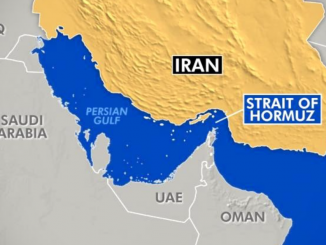
The Strait of Hormuz remains one of the most important maritime routes on Earth.
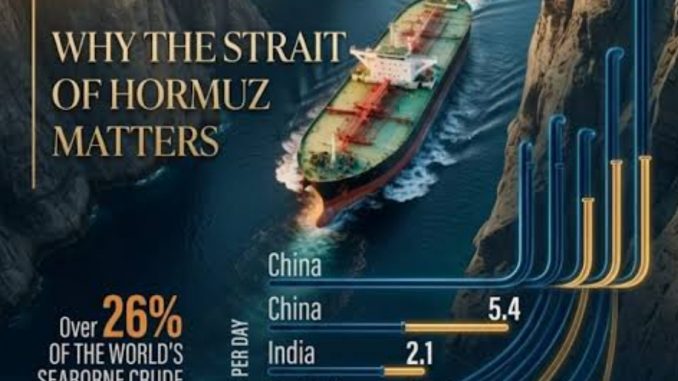
Located between Iran and Oman, the narrow passage connects the Persian Gulf with the Gulf of Oman and the Arabian Sea. A large share of global oil exports passes through the strait, making it essential for energy markets.
Any threat to shipping in the area can immediately create concerns over:
- Global oil supply stability.
- Rising energy prices.
- Increased military deployments.
- Economic uncertainty for importing nations.
Tensions involving Iran, regional rivals, and Western powers have repeatedly placed Hormuz at the center of international security concerns.
➡️ Key Impact: Control or disruption of Hormuz can influence global energy prices and international diplomacy.
The Red Sea and Bab el-Mandeb: Gateway of Global Trade
The Red Sea serves as a major shipping corridor connecting Europe, Asia, and the Middle East.
The Bab el-Mandeb strait, located between Yemen and Djibouti, is a critical passage for commercial vessels traveling between the Indian Ocean and the Suez Canal.
Disruptions in this area can affect:
- Cargo shipments between Asia and Europe.
- Oil and gas transportation routes.
- Global supply chain reliability.
Recent attacks on commercial vessels by armed groups in the region have forced some shipping companies to reroute vessels, increasing transportation costs and delivery times.
➡️ Key Impact: Instability in the Red Sea can disrupt global commerce far beyond the region.
Why Chokepoints Become Targets
Strategic waterways provide leverage because even limited disruptions can create worldwide consequences.
Groups and governments may target chokepoints to:
- Pressure rival countries.
- Influence international negotiations.
- Demonstrate military capability.
- Disrupt economic activity.
Unlike traditional military targets, maritime chokepoints affect civilian economies, making them powerful tools of geopolitical pressure.
➡️ Key Impact: Small-scale attacks can produce large-scale economic consequences.
The Military Competition Over Maritime Routes
Major powers increasingly view these waterways as essential security zones.
Countries are expanding:
- Naval patrols.
- Maritime surveillance.
- Missile defense systems.
- International security partnerships.
The United States, China, European countries, and regional powers have increased their focus on protecting shipping lanes and maintaining freedom of navigation.
➡️ Key Impact: Strategic waterways are becoming areas of increasing military competition.
The Economic Consequences of Disruption
A blocked or threatened chokepoint can quickly affect the global economy.
Potential consequences include:
- Higher fuel prices.
- Increased shipping costs.
- Inflation pressures.
- Delays in manufacturing supply chains.
Businesses and governments often prepare contingency plans because uncertainty alone can influence markets.
➡️ Key Impact: Maritime security has become directly connected to global economic stability.
The Future of Strategic Chokepoints
As global energy demand and international competition continue, these waterways will remain major geopolitical flashpoints.
Future challenges may include:
- Increased drone and missile threats.
- Greater naval competition.
- More disputes over regional influence.
- Expanded international security cooperation.
Countries may also invest in alternative energy sources and shipping routes to reduce dependence on vulnerable passages.
➡️ Key Impact: Strategic chokepoints will remain central to global security planning.
🧩 Bottom Line:
The world’s most dangerous maritime chokepoints have become central battlegrounds in the struggle for energy security, global trade, and geopolitical influence. From the Strait of Hormuz to the Red Sea, disruptions in these narrow waterways can create worldwide economic consequences and trigger major international responses.
🏛️ For governments and security planners, protecting strategic waterways has become a top priority as threats from military conflicts, armed groups, and geopolitical rivalries continue to grow.
🛢️ For global energy markets, the security of chokepoints remains critical, as any disruption can quickly affect oil supplies, fuel prices, and economic stability worldwide.
🌍 For the international community, these waterways represent a test of cooperation and the ability to maintain freedom of navigation while preventing escalation between competing powers.
🚢 For global trade, the continued vulnerability of key shipping routes highlights the need for stronger maritime security, alternative supply routes, and long-term strategies to reduce dependence on exposed corridors.
➡️ Bottom Line: The struggle over strategic chokepoints reflects a larger contest for control, influence, and security in the modern world. As geopolitical tensions increase, these narrow maritime passages will remain among the most important pressure points shaping global stability, economic resilience, and international relations.
SOURCES: REUTERS CONNECT – What happens if the Red Sea Gateway and Strait of Hormuz are blocked?
AP NEWS – Middle East developments involving the Strait of Hormuz and regional shipping security
REUTERS – Gulf shipping traffic down after Houthis say they attacked Saudi tanker
INVESTING.COM – Analysis-After Hormuz, Iran turns to Red Sea gateway as new pressure point