Ukraine returned 261 bodies during the latest repatriation on Aug. 13, 2026. (Ukraine’s Coordination Headquarters for the Treatment of Prisoners of War)
Reported by:

Cherry Meigh Timbol
News Content Editor
Published August 13, 2026
KYIV, Ukraine — Ukraine has received the bodies of 261 people in a new repatriation operation with Russia, with Moscow saying the remains belong to Ukrainian service members, Ukrainian authorities announced Thursday.
The Coordination Headquarters for the Treatment of Prisoners of War confirmed that the remains were returned to Ukraine on August 13 as part of ongoing efforts to recover the dead from the war. Ukrainian investigators will now work to establish the identities of those whose bodies were returned.
The wording from Ukrainian officials is significant: the headquarters said the bodies were of people who “according to the Russian side” were Ukrainian servicemen. This means their identities and military status still have to be established through forensic examination.
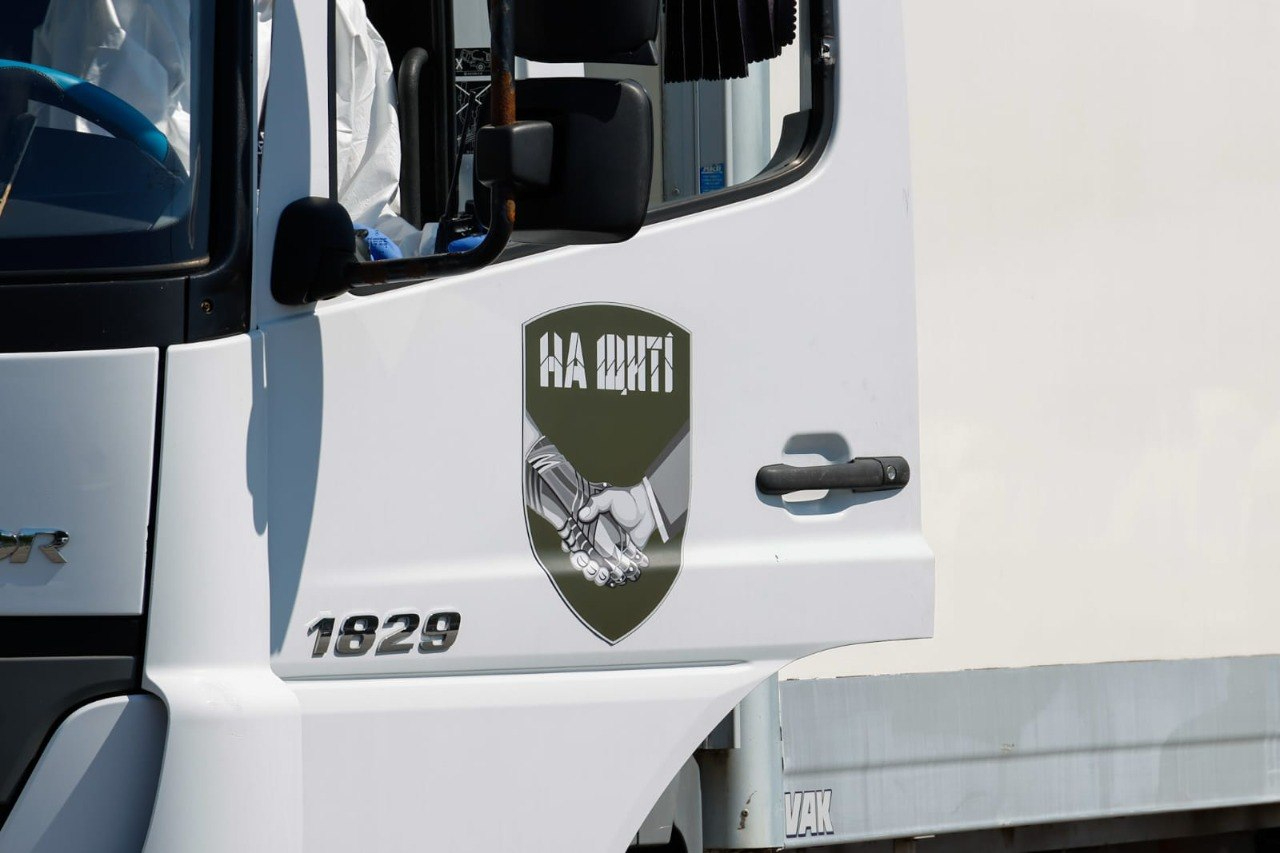 Photo: Coordination Headquarters Details: The Coordination Headquarters said that law enforcement investigators and forensic experts will carry out all necessary procedures to identify the repatriated bodies.
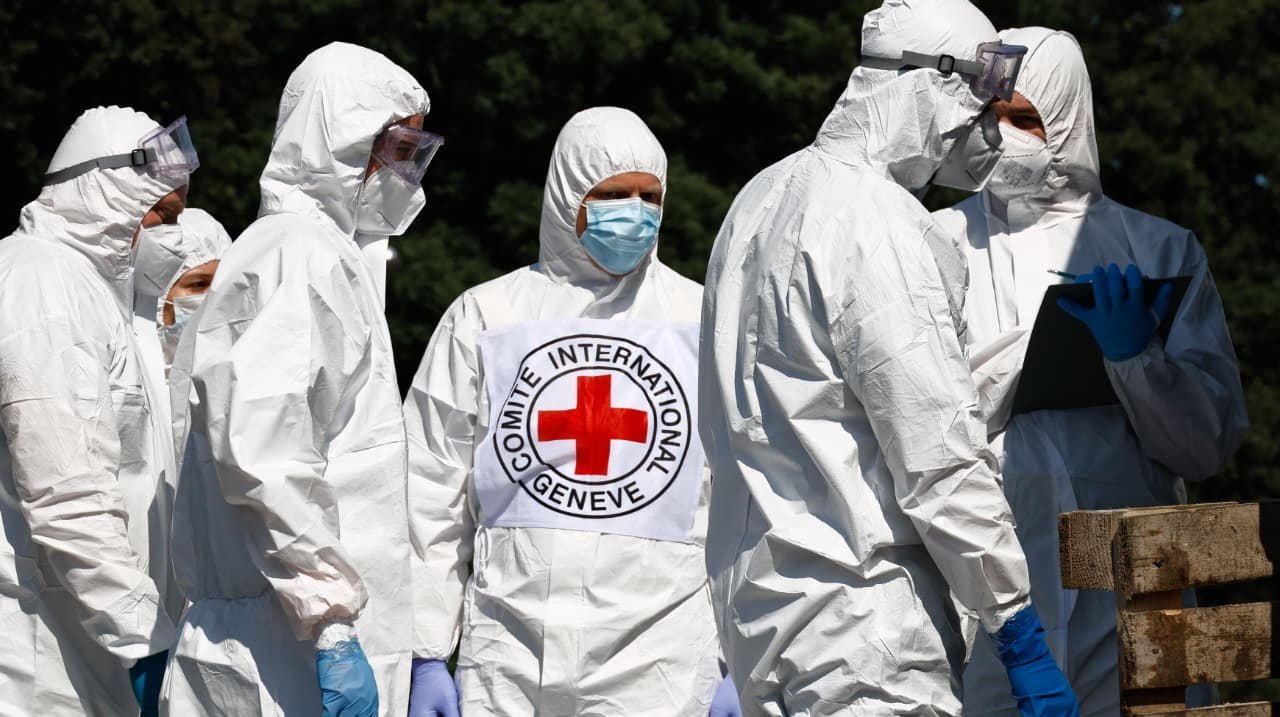 Photo: Coordination Headquarters The repatriation was carried out with the participation of the Coordination Headquarters, the Joint Centre at the Security Service of Ukraine, the Armed Forces of Ukraine, the Ministry of Internal Affairs, the Office of the Ukrainian Parliamentary Commissioner for Human Rights, the Secretariat of the Commissioner for Persons Missing in Special Circumstances, the State Emergency Service and other security and defence agencies.
The latest transfer is part of a continuing series of exchanges involving the remains of soldiers killed during Russia’s full-scale invasion of Ukraine.
In previous operations, Ukraine has received hundreds of bodies at a time from Russian-held territory. On June 18, Ukraine received 522 bodies, while earlier repatriations included 528 bodies in May and 1,000 in April. Russian authorities said the remains in those operations could belong to Ukrainian citizens, including military personnel.
The New Voice of Ukraine
The process is particularly important for families still waiting for confirmation about relatives who disappeared during combat.
Once remains are returned, Ukrainian specialists can conduct forensic examinations, compare DNA samples and other identifying information, and determine whether the deceased were military personnel or civilians.
The latest repatriation also comes amid continuing disputes between Moscow and Kyiv over prisoners of war and missing soldiers.
On Wednesday, Russia published a list of 224 Ukrainian prisoners of war it claimed it was prepared to exchange, accusing Kyiv of refusing previous offers. Ukrainian officials rejected those allegations, with Ukraine’s human rights commissioner calling the Russian claims false and reiterating Kyiv’s commitment to bringing its citizens home.
The disputes demonstrate how difficult even humanitarian exchanges have become during the war.
For Ukraine, recovering the dead serves a purpose beyond military accounting. Identifying fallen soldiers allows authorities to notify families, return remains for burial and document the circumstances surrounding deaths.
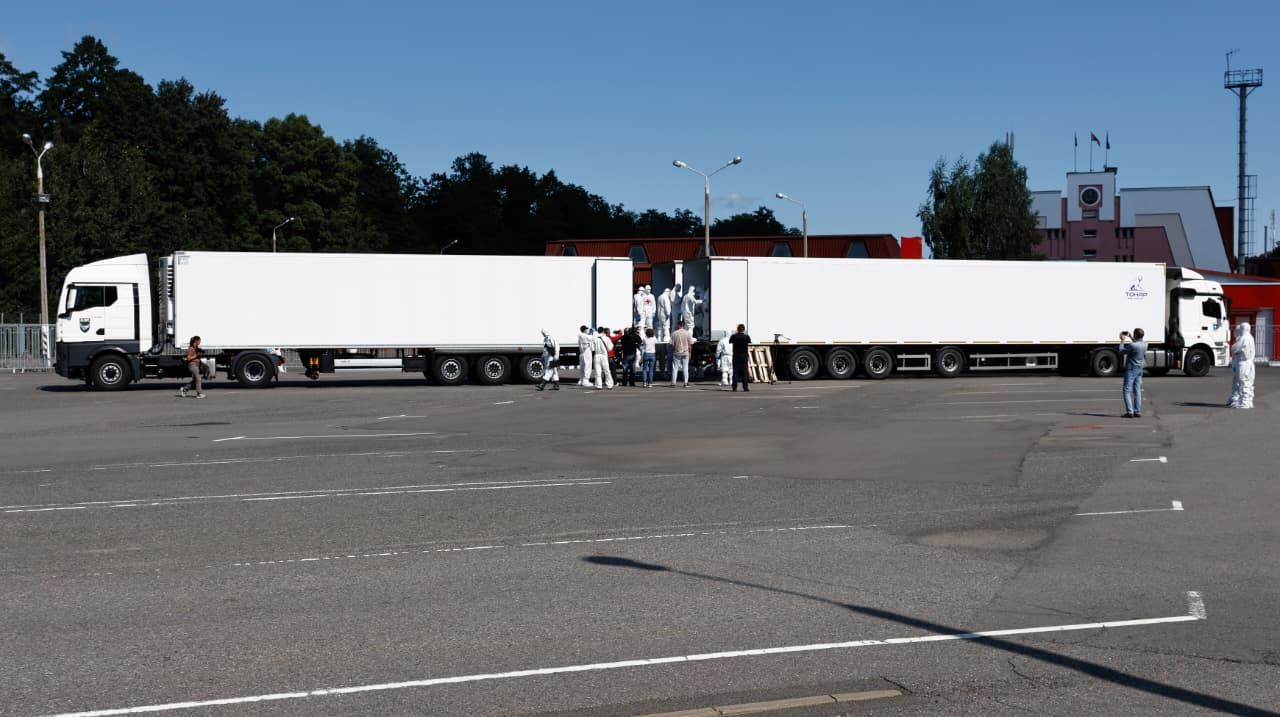 gPhoto: Coordination Headquarters The Coordination Headquarters also thanked the International Committee of the Red Cross for facilitating the repatriation
The repatriation process can also provide information about missing personnel whose fate has remained unknown for months or even years.
At the same time, the exchange highlights the enormous human cost of the continuing conflict. Each returned body represents a family that may finally receive an answer about a missing loved one, even as the war continues to generate new casualties.
The return of the 261 bodies does not represent a ceasefire or a breakthrough toward ending the war. Instead, it is one of the few areas where Moscow and Kyiv continue to engage in practical cooperation despite their broader military and political confrontation.
For the families waiting for answers, however, the operation carries a deeply personal significance: bringing the fallen home provides an opportunity to establish their identities and give them a final resting place.
As forensic teams begin their work, Ukraine will now seek to determine exactly who the 261 people are and, where possible, return each individual to their families.
🧩 Bottom Line:
The return of 261 bodies to Ukraine is a grim reminder of the human cost of the war. Russia says the remains belong to Ukrainian service members, but Ukrainian authorities will conduct forensic examinations to establish their identities before they are returned to families.
For Ukraine, bringing the fallen home is about more than numbers—it gives families the opportunity to finally learn the fate of missing loved ones and provide them with a proper burial. The exchange also shows that, even amid continued fighting and deep political hostility, humanitarian channels between Russia and Ukraine remain possible.
Bottom line: 261 families may now have the answers they have been waiting for, but the repatriation is also a stark measure of how devastating and costly the war continues to be.
SOURCES: THE KYIV INDEPENDENT – Ukraine repatriates 261 bodies that Russia claims belong to Ukrainian soldiers
UKRAINSKA PRAVDA – Bodies of 261 fallen Ukrainians brought back to Ukraine – photos