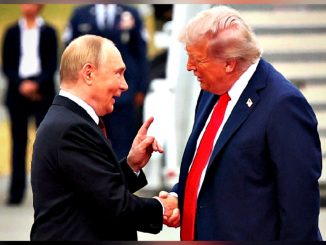
Orbán has said that Ukraine is illegally funding his Globalist opposition and blocking Russian oil to destabilize his government.
Published March 20, 2026
Orbán has been very clear: no Druzhba pipeline oil, no EU funding.
At a high‑stakes European Union summit in Brussels, Hungarian Prime Minister Viktor Orbán has become the central figure in a deepening political and diplomatic conflict over a major aid package for Ukraine and broader strategic priorities facing Europe. The standoff has underscored sharp divisions within the EU about how to support Ukraine, manage energy security, and respond to Russia’s war.
Orban’s Veto and Ukraine Aid Blockade
Orbán has refused to lift his veto on a €90 billion ($103 billion) European Union loan to Ukraine, bringing the bloc’s decision‑making process to a standstill. The aid is intended to fund Ukraine’s defense, public services, and economic stability amid its ongoing war with Russia. Despite earlier agreeing to the plan under certain conditions, Hungary — joined by Slovakia — has now blocked it, citing a dispute over the damaged Druzhba oil pipeline that traditionally delivers Russian oil to Hungary and Slovakia via Ukraine.
Orbán has linked his opposition to the loan directly to Ukraine’s handling of the pipeline, demanding that Kyiv facilitate the restoration of oil deliveries before supporting the financial package. Hungarian officials and the prime minister himself have framed this stance as defending Hungary’s energy security and national interests.
Tensions With Zelenskyy
Ukrainian President Volodymyr Zelenskyy has sharply criticized the veto, emphasizing that the funds are crucial for Kyiv to sustain defense operations and basic government functions. The blocked support comes at a critical moment, as Ukraine continues to confront Russian military pressure and financial strain.
Relations have been further strained by rhetoric exchanged between leaders. Zelenskyy’s frustration has spilled into pointed public remarks about EU leaders who block support, while Orbán and his allies accuse Kyiv of politicizing energy issues and using them against EU members. According to Hungarian officials, some comments by Zelenskyy were interpreted as threatening toward Hungary as a nation, prompting sharp rebuttals in Budapest.

March for Peace in Budapest.
EU Response and Broader Diplomatic Fallout
Many EU leaders have condemned Orbán’s blockade, labeling it unacceptable and a threat to European unity at a time when consolidated support for Ukraine is seen as vital. The European Council president and other senior officials have urged diplomatic efforts to ease tensions, but a breakthrough at this summit remains elusive.
To address the impasse, top EU officials have offered financial and technical support to help Ukraine repair the Druzhba pipeline, hoping this could unlock progress toward an agreement on funding. However, Hungary continues to tie its approval of the aid package to the pipeline’s restoration.
Meanwhile, discussions at the summit have broadened to include wider geopolitical issues, including energy prices, sanctions against Russia, and responses to conflicts in the Middle East — all placing further strain on coordination among EU member states.
WATCH:
‼️ This is not a game. Access to affordable energy is vital for Hungarian families and businesses. We are not asking for favours. We insist on receiving what is rightfully ours, what keeps our homes warm and our economy running. It is time to end the oil blockade @ZelenskyyUa. pic.twitter.com/ttvcLxQaXd
— Orbán Viktor (@PM_ViktorOrban) March 19, 2026
 Implications:
Strained EU Unity:
Hungary’s veto on Ukraine aid exposes deep divisions within the European Union over how to balance collective security commitments with national interests. The standoff highlights the challenges of maintaining cohesion during crises that require rapid and coordinated responses.
Ukraine’s Strategic Vulnerability:
Delays in financial assistance could affect Kyiv’s ability to sustain defense operations, manage public services, and stabilize its economy amid ongoing conflict with Russia. This places additional pressure on Ukraine to seek alternative sources of funding or negotiate concessions to unlock essential support.
Energy Security Risks:
Linking the aid package to the Druzhba pipeline’s restoration underscores the EU’s vulnerability to energy disruptions. The dispute highlights the geopolitical leverage that pipeline routes and energy infrastructure can hold in shaping policy decisions, emphasizing the need for resilient energy strategies across Europe.
Political Signaling and Domestic Audiences:
Orbán’s stance strengthens his messaging at home, framing him as a defender of Hungary’s national interests. At the same time, it sends a warning to EU partners that member states may prioritize domestic priorities over broader bloc objectives, affecting the EU’s credibility in external negotiations.
Regional Geopolitical Consequences:
The deadlock indirectly benefits Russia, as internal EU disagreements weaken the bloc’s ability to present a unified front on sanctions and military support for Ukraine. This could prolong the conflict and increase regional instability, impacting energy markets, security planning, and diplomatic initiatives.
Long-Term Policy Considerations:
The episode may prompt EU institutions to rethink decision-making mechanisms for critical security and financial support, emphasizing the need for contingencies that can prevent a single member state from stalling vital assistance during crises.
 Overall Takeaway:
Hungary’s veto on Ukraine aid at the EU summit underscores the tension between national interests and collective European security objectives. By linking approval of the €90 billion loan to the restoration of the Druzhba pipeline, Hungary has highlighted the critical intersection of energy security and regional stability, demonstrating how infrastructure disputes can influence broader geopolitical decisions.
The standoff places pressure on Ukraine at a critical juncture, while also testing the European Union’s ability to maintain cohesion during crises. It signals to member states and external actors that balancing domestic priorities with alliance obligations is a complex, high-stakes challenge.
Ultimately, the summit reveals the fragile dynamics of European strategic decision-making: ensuring Ukraine’s defense and economic stability, maintaining energy security, and preserving EU unity will require continued negotiation, compromise, and careful management of competing national and regional interests.
SOURCES: THE GATEWAY PUNDIT – ‘This Is Existential for Us’: Orbán TORCHES Zelensky Over His Blocking the Druzhba Pipeline Oil, Bucks Pressure From EU Globalists and Blocks $100 Billion Loan to Ukraine
POLITICO – Leaders haggle over energy as Iran war overshadows summit — live updates