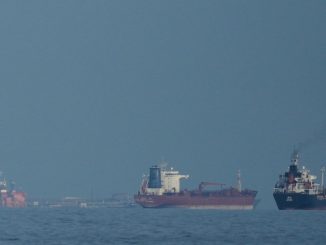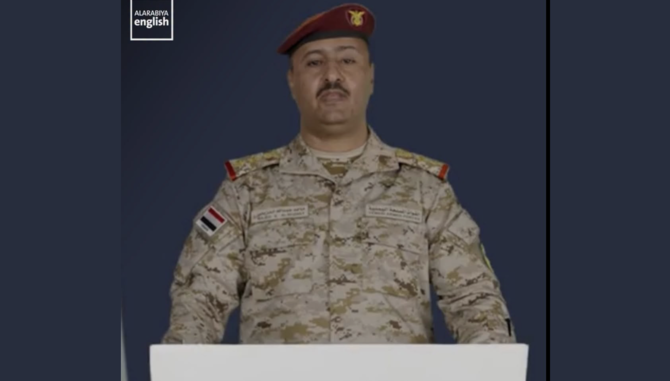
Colonel Majed Al Nazili. (Al Arabiya)
Reported by:

Cherry Meigh Timbol
News Content Editor
Published August 8 , 2026
Yemen’s internationally recognized armed forces have launched a new military operation targeting Iran-backed Houthi positions, marking a significant escalation in the country’s ongoing conflict. The offensive comes amid renewed violence, rising casualties, and growing fears of a broader regional confrontation.
⚔️ Military Operation Intensifies
According to multiple reports, Yemeni forces carried out coordinated strikes against Houthi military sites and equipment as part of a wider campaign to push back recent rebel offensives. 0
The operation follows a surge in Houthi attacks on government-controlled areas, including deadly assaults on military camps and strategic areas, which have resulted in significant casualties among Yemeni troops.
Officials say the offensive aims to weaken Houthi capabilities and regain control of contested areas, particularly in central and eastern Yemen.
💥 Background: Renewed Houthi Attacks
The escalation comes after a series of intensified Houthi operations, including missile and drone strikes targeting both military forces and vital infrastructure.
Recent reports indicate that Houthi attacks have:
- Killed and injured civilians and soldiers
- Targeted key oil and transport routes
- Threatened maritime security in strategic waterways
Analysts warn that these actions are part of a broader strategy tied to regional tensions, particularly involving Iran and allied groups.
🌍 Regional Context and Rising Tension
The latest developments in Yemen are unfolding within a wider Middle East crisis marked by:
- Increased military alignments and defense agreements
- Escalating confrontations involving Iran and its regional allies
- Threats to global shipping routes such as the Red Sea and nearby corridors
Experts caution that the Yemen conflict could once again become a major flashpoint, especially as international powers reassess their involvement.
⚠️ Humanitarian and Security Concerns
The renewed fighting raises serious concerns about:
- Civilian casualties and displacement
- Damage to infrastructure
- Strain on humanitarian aid systems
The United Nations has previously warned that any large-scale escalation could reverse fragile progress and push Yemen deeper into crisis.
👥 Public / Political Reactions:
🇾🇪 Yemeni Government Officials
Yemen’s internationally recognized leadership has framed the operation as a necessary response to escalating Houthi attacks.
- Senior officials stated the military campaign aims to restore stability and protect government-controlled areas.
- Authorities emphasized their right to respond to repeated Houthi strikes on troops and infrastructure.
- Calls were made for stronger international backing and recognition of the government’s position.
➡️ Position: The Yemeni government supports decisive military action to counter Houthis and regain territorial control.
🪖 Houthi Leadership
Houthi representatives have condemned the operation and signaled continued resistance.
- Officials described the strikes as aggression and vowed retaliation.
- Statements indicated readiness to escalate operations in response.
- Messaging framed the conflict as part of a broader regional struggle.
➡️ Position: The Houthis reject the offensive and are prepared to intensify military responses.
🌍 Regional Powers
Neighboring countries and regional actors are closely monitoring the escalation.
- Some Gulf states expressed concern over renewed instability in Yemen.
- Iran, often linked to Houthi support, has criticized military actions against the group.
- Regional discussions highlight risks to security and trade routes, especially near the Red Sea.
➡️ Position: Regional actors are divided—some support government efforts, while others warn of escalation risks.
🌐 International Community
Global stakeholders have reacted with concern over rising violence.
- The United Nations called for restraint and renewed diplomatic dialogue.
- Western governments stressed the need to protect civilians and avoid further escalation.
- International organizations warned about worsening humanitarian conditions.
➡️ Position: The international community urges de-escalation while acknowledging Yemen’s security challenges.
🧠 Analysts and Conflict Experts
Experts have highlighted the broader implications of the operation.
- Analysts note the risk of prolonged conflict and shifting frontlines.
- Concerns raised over increasing regional involvement and proxy dynamics.
- Discussions emphasize the difficulty of achieving a lasting political settlement.
➡️ Position: Experts warn that military escalation may deepen the conflict without parallel diplomatic efforts.
👥 Public Response
Public sentiment reflects fear, frustration, and ongoing hardship.
- Civilians expressed concern over renewed fighting and displacement.
- Social media reactions show divided opinions on military action.
- Many citizens are calling for peace and an end to prolonged instability.
➡️ Position: The public remains deeply affected, with growing calls for security, stability, and peace.
🏛️ Broader Political Impact
The operation is likely to influence Yemen’s political and strategic landscape.
- Potential shifts in alliances and power dynamics within the country.
- Increased pressure on leaders to balance military action with diplomacy.
- Renewed focus on international negotiations and ceasefire possibilities.
➡️ Position: The escalation may reshape political strategies while intensifying pressure for long-term solutions.
⚠️ Resulting Effects:
The launch of Yemen’s military operation against Houthi forces is already generating significant military, political, and humanitarian consequences. As fighting intensifies, the impact is being felt across security dynamics, civilian life, and regional stability.
1. Escalation of Armed Conflict
The operation has triggered increased clashes across multiple frontlines.
💥 Both sides are intensifying operations and counterattacks.
⚔️ Risk of prolonged fighting is rising.
➡️ Result: Military offensive → heightened nationwide conflict.
2. Civilian Displacement and Humanitarian Strain
Renewed violence is forcing civilians to flee affected areas.
🏚️ Families are being displaced from contested areas.
🚑 Aid organizations face growing pressure to respond.
🍞 Shortages of food and basic services may worsen.
➡️ Result: Active conflict → worsening humanitarian crisis.
3. Damage to Infrastructure
Fighting is impacting key facilities and services.
🏗️ Roads, energy sites, and public infrastructure are at risk.
⚡ Disruptions to electricity and water supply are increasing.
➡️ Result: Intensified operations→ infrastructure degradation.
4. Increased Regional Tensions
The escalation is contributing to broader geopolitical strain.
🌍 Concerns are rising over involvement of external actors like Iran.
🚢 Threats to Red Sea shipping routes may grow.
➡️ Result: Local conflict → wider regional instability.
5. Strengthening of Military Positions
Both sides are attempting to gain strategic advantages.
📍 Government forces aim to reclaim territory.
🪖 Houthis are reinforcing defensive positions.
➡️ Result: Offensive campaign → shifting territorial control.
6. Pressure on Peace Efforts
Ongoing fighting complicates diplomatic solutions.
🕊️ Ceasefire negotiations may stall or collapse.
📉 Trust between parties continues to erode.
➡️ Result: Escalation → weakened peace prospects.
7. Economic Impact
The conflict is further damaging Yemen’s fragile economy.
💸 Trade disruptions and rising costs are expected.
📉 Local markets and livelihoods are affected.
➡️ Result: continued conflict → economic decline.
🔮 Future Outlook:
The escalation between Yemen’s armed forces and Houthi fighters signals a potentially prolonged and complex phase of conflict. Military developments, regional dynamics, and humanitarian conditions will shape the trajectory in the coming months.
1. Prolonged Military Engagement
Sustained clashes are likely across multiple frontlines.
⚔️ Both sides may intensify operations to gain leverage.
📍 Key areas could see repeated offensives.
➡️ Outlook: Continued fighting → extended conflict duration.
2. Risk of Wider Regional Escalation
The conflict may draw in greater external involvement.
🌍 Iran and regional actors could increase support to allies.
🚢 Strategic waterways like the Red Sea may face heightened threats.
➡️ Outlook: Local war→ broader regional tensions.
3. Increasing Humanitarian Crisis
Civilian conditions are expected to deteriorate further.
🏚️ Displacement and shortages of food and medicine may rise.
🏥 Humanitarian agencies could face access challenges.
➡️ Outlook: Escalation → deepening humanitarian emergency.
4. Intensified International Diplomacy
Global actors may push harder for negotiations.
🕊️ United Nations-led talks could regain urgency.
🤝 Calls for ceasefire agreements may increase.
➡️ Outlook: Ongoing conflict → renewed diplomatic efforts.
5. Shifting Territorial Control
Control of strategic locations may change frequently.
🪖 Government forces may attempt to reclaim key positions.
🏔️ Houthis could reinforce strongholds.
➡️ Outlook: Active operations→ unstable frontlines.
6. Economic Deterioration
Yemen’s already fragile economy may worsen.
💸 Trade disruptions and rising costs likely.
📉 Livelihoods and local markets under strain.
➡️ Outlook: continued instability → deeper economic decline.
7. Uncertain Path to Resolution
A clear resolution remains difficult in the near term.
⚖️ Political divisions persist between parties.
🧠 Long-term solution will require both military and diplomatic approaches.
➡️ Outlook: Complex dynamics → uncertain end to conflict.
🧩 Bottom Line:
The renewed military developments highlight continued instability and the intensifying nature of operations on the ground. Despite shifts in strategy and responses from involved parties, the situation remains volatile with no immediate resolution in sight.
🏛️ For national leadership, the developments emphasize the need to balance military actions with long-term political solutions to prevent further escalation.
🛡️ For regional and international actors, the continuation of operations signals the importance of sustained engagement, whether through diplomacy, aid, or security cooperation.
🌍 For the broader international community, the crisis reflects ongoing geopolitical tensions with potential ripple effects beyond the immediate conflict zone.
👥 For civilians, continued instability translates to uncertainty, safety risks, and disruption to everyday life.
➡️ Bottom Line: As operations continue and tensions rise, a comprehensive political solution remains critical—otherwise instability is likely to persist in the near term.
SOURCES: ARAB NEWS – Yemeni forces target Houthi positions across multiple fronts
MIDDLE EAST MONITOR – Yemen’s armed forces launch operation against Houthis
ANADOLU AJANSI – Yemen’s armed forces launch operation against Houthis