Reported by:

Cherry Meigh Timbol
News Content Editor
Published October 29, 2026
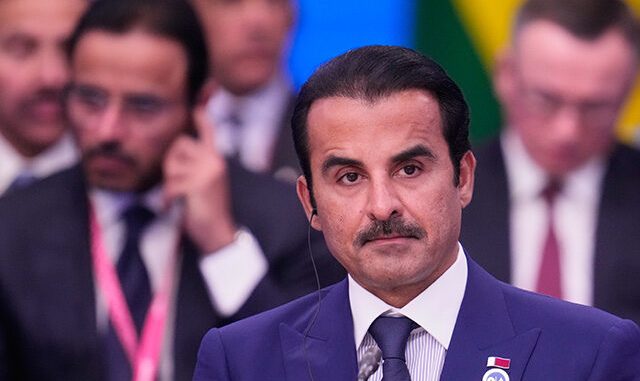
Qatar has presented Iran with a new draft proposal aimed at ending the ongoing war involving the United States and Israel, as regional mediators intensify diplomatic efforts to prevent renewed military escalation across the Middle East.
According to a report by Reuters, an official familiar with the negotiations said the proposal was delivered to Tehran on Sunday and includes a seven-day timeline for confidence-building measures addressing the concerns of both Iran and Washington. However, a senior Iranian official dismissed Qatar’s proposals as unacceptable ideas rather than a formal offer.
The diplomatic initiative comes amid growing concerns over regional security, disrupted international shipping and rising oil prices linked to the conflict.
Qatar Pushes a Seven-Day Framework
The proposed agreement reportedly outlines daily steps that both sides would need to take to build confidence and move toward ending hostilities. According to the official briefed on the negotiations, the process could begin early next week, with several countries serving as guarantors of the agreement.
Qatar and Pakistan have played leading roles in mediation efforts, seeking to bring the United States and Iran back toward negotiations after earlier attempts to secure a lasting settlement failed.
The precise terms of the latest Qatari draft have not been publicly detailed. Iran has also maintained its own seven-day proposal, which Tehran says could help resolve key issues and reduce tensions if its conditions are met.
Iran Rejects the Latest Proposals
Despite Qatar’s efforts, Tehran has signaled that significant disagreements remain. A senior Iranian official involved in the discussions said the ideas presented by Doha were unacceptable and did not constitute a genuine offer.
Iran has also maintained its position on the nuclear issue, resisting pressure to make concessions before its other demands are addressed.
Tehran wants the United States to end its blockade of Iranian ports and lift sanctions affecting Iranian oil exports. Washington, meanwhile, insists that Iran’s nuclear program must be addressed from the beginning of any negotiations.
The two sides remain divided over the order in which these issues should be resolved, complicating efforts to reach a comprehensive agreement.
Strait of Hormuz and Oil Supplies at Risk
The conflict has disrupted shipping and energy supplies, increasing concerns about the security of vital maritime routes, particularly the Strait of Hormuz, a major passage for global oil shipments.
Iran has previously proposed reopening the strait under conditions tied to a broader settlement. However, disagreements over sanctions, security guarantees and nuclear oversight have prevented the sides from reaching a lasting agreement.
Regional tensions have also expanded beyond the immediate confrontation. Attacks by Yemen’s Iran-aligned Houthi movement against Saudi Arabia have raised further concerns about the security of oil infrastructure and shipping routes.
Oil prices climbed above $115 per barrel following an attack on Saudi Arabia’s Ras Tanura refinery, according to Reuters reporting, underscoring the potential economic consequences of further escalation.
Regional Powers Intensify Mediation
Qatar’s initiative is part of a broader diplomatic effort involving Pakistan, Saudi Arabia, Türkiye and Egypt. Officials from several of these countries have held discussions with Iranian representatives in an attempt to prevent the conflict from intensifying.
The mediators are seeking a framework that could address competing demands, reduce the risk of renewed attacks and restore stability to regional trade and energy markets.
A separate report by Anadolu Agency, citing Axios, said regional mediators were encouraging Iran to permit United Nations inspectors to visit bombed nuclear sites in exchange for some U.S. sanctions relief. The reported initiative highlights the continuing disagreement over nuclear inspections and economic restrictions.
Negotiations Remain Uncertain
U.S. President Donald Trump has continued to warn that military action remains possible if negotiations fail. Iranian officials, meanwhile, have warned of potential retaliation if the United States and Israel resume attacks.
The latest Qatari proposal offers another diplomatic avenue, but Iran’s rejection of the initial ideas demonstrates that a breakthrough is far from assured.
Tehran was expected to respond to the draft by the end of the week, according to the official briefed on the negotiations. Whether the proposal can bridge the gap between Washington’s nuclear demands and Iran’s conditions concerning sanctions and its ports remains a central question.
For now, Qatar and its regional partners face the challenge of turning preliminary diplomatic contacts into an agreement capable of ending the conflict and reducing the risk of a wider regional war.