Published March 11, 2025
Recent documents released by the U.S. Department of Justice (DOJ) have cast fresh scrutiny on events in the hours and days leading up to Jeffrey Epstein’s death in custody on August 10, 2019. While Epstein’s death was officially ruled a suicide, the newly disclosed details have reignited public debate and suspicion regarding the circumstances.
🔎 Internet Searches Minutes Before Epstein Was Found
According to the DOJ records, a guard on duty — identified as Tova Noel, then a correctional officer at the Metropolitan Correctional Center — conducted online searches for Epstein just minutes before his body was discovered in his cell.
According to an FBI forensic analysis of her work computer:
-
Noel searched “latest on Epstein in jail” twice in the early morning of August 10, 2019 — specifically at 5:42 a.m. and again at 5:52 a.m., less than 40 minutes before fellow guard Michael Thomas found Epstein unresponsive in his cell.
The search history was included in the DOJ documents released under the Epstein Files Transparency Act passed in late 2025. Noel later testified that she did not recall making those searches and suggested records may have been inaccurate.
about it.

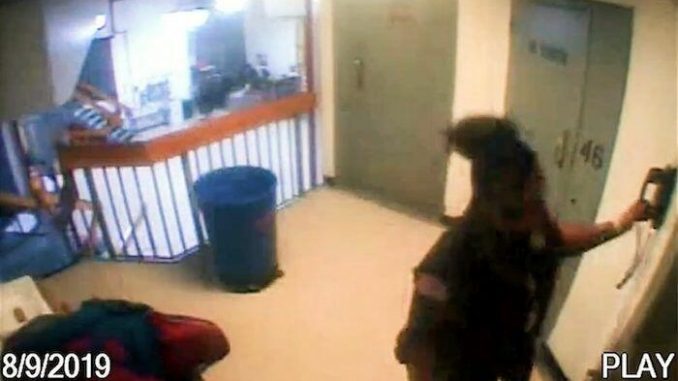
Epstein was found dead in his cell when Thomas and Noel brought him breakfast at 6:30 a.m. on Aug. 10, 2019.William Farrington
💰 Suspicious Bank Transactions
The DOJ files also include previously unreported details about Noel’s personal finances. Her bank — Chase Bank — flagged a series of cash deposits beginning in April 2018 in a suspicious activity report to federal authorities:
-
A total of 12 cash deposits flagged over months.
-
The largest was a $5,000 deposit on July 30, 2019, just 10 days before Epstein’s death.
Officials noted that suspicious deposits like these are uncommon for typical payroll accounts, but Noel was not charged with any crime connected to those deposits.

Noel began working in the MCC’s Special Housing Unit, where Epstein was housed, in 2019.DOJ

The FBI highlighted the eerie early morning Google search in its files.DOJ
🕐 Prison Duty Lapses and Falsified Records
Noel and her colleague, Michael Thomas, were charged in 2019 with falsifying prison logs — making it appear they conducted required 30‑minute inmate checks on Epstein during the night of his death. The charges alleged that:
-
Neither guard performed the mandated cell checks.
-
Instead, they browsed the internet and, in Noel’s case, shopped online during part of their shift.
Despite these accusations, prosecutors dropped the charges in 2021 after plea negotiations, and both guards avoided prison time.

Criminal charges against Noel and the other guard were dropped in December 2021 by a federal judge.AP
🧠 Renewed Scrutiny and Ongoing Questions
Epstein’s August 2019 death — originally ruled a suicide by hanging — has long been the subject of controversy and conspiracy theories, partly due to:
-
Missing or malfunctioning surveillance cameras on the jail tier.
-
Discrepancies in guard logs and required patrols.
-
Epstein’s powerful social and political connections.
While some observers say the newly released DOJ files add troubling details, others caution that no conclusive evidence of foul play has been presented and emphasize that the official record still lists Epstein’s death as a suicide.
Nonetheless, these revelations — about internet searches, unusual banking activity, and duty lapses — have reshaped public discussions about what actually happened in Epstein’s final hours.
 Implications of DOJ Epstein Guard Revelations:
-
Erosion of Public Trust in Federal Institutions
The revelation that a prison guard Googled Jeffrey Epstein minutes before his death and simultaneously had suspicious bank deposits underscores a deep vulnerability in federal oversight. Citizens may question whether high-profile inmates receive unequal treatment and whether bureaucracies can be relied upon to ensure justice without internal corruption. -
Highlighting Systemic Lapses in Prison Security
The falsified cell check records and missing or malfunctioning cameras point to structural weaknesses in detention facilities. Beyond Epstein, any inmate could be at risk if protocols are not rigorously enforced. This raises concerns about the accountability of correctional staff and the effectiveness of existing monitoring systems. -
Potential for Political and Social Fallout
Epstein’s network included highly influential figures. These new details — searches, financial irregularities, and falsified logs — could fuel public skepticism about whether all powerful individuals are treated equally under the law. Even without definitive evidence of wrongdoing, the perception of impropriety can shape policy debates on criminal justice reform and oversight. -
Banking Oversight and Suspicious Activity Reporting
The flagged deposits highlight how financial institutions play a role in monitoring suspicious behavior. Yet, the lack of follow-up enforcement against the guard raises questions about the efficiency and follow-through of regulatory mechanisms designed to prevent money laundering or other illicit activity. -
Calls for Strengthened Accountability Measures
The case reinforces the need for stricter internal auditing, live monitoring, and whistleblower protections within federal prisons. It also suggests that transparent reporting to the public could help maintain institutional credibility and prevent similar lapses in high-stakes cases.
 Overall Takeaway:
The newly released DOJ files on Jeffrey Epstein’s death reveal troubling gaps in prison oversight, staff accountability, and institutional integrity. From the internet searches conducted by a guard minutes before Epstein’s death to suspicious financial activity and falsified patrol logs, these revelations highlight systemic vulnerabilities that extend far beyond a single case.
For the public, the implications are clear: robust enforcement of rules, thorough monitoring of staff, and transparent reporting are essential to maintain trust in federal institutions. While the official cause of death remains suicide, the circumstances underscore the importance of vigilance, internal accountability, and reforms to prevent lapses that could compromise justice or public confidence.
Ultimately, ensuring that all individuals — regardless of status — are treated equally under the law depends on closing these gaps and reinforcing the standards that protect both inmates and society at large.
SOURCES: ZEROHEDGE – Epstein Guard Googled Him Minutes Before Body Found; Bank Made ‘Suspicious Activity Report’ Over Cash Deposits
THE NEW YORK POST – Epstein prison guard googled him minutes before body found — and made mysterious deposit before pedophile’s suicide: DOJ