Published March 14, 2025
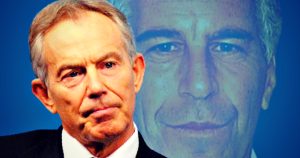
Newly released documents connected to the investigation of Jeffrey Epstein have revived scrutiny over a 2002 meeting between the former British prime minister Tony Blair and the disgraced financier at 10 Downing Street. The revelations come as part of a broader release of files related to Epstein’s network and connections with global political figures.
Documents Reveal Details of the Meeting
According to newly surfaced emails and memoranda contained in the latest Epstein document releases, Blair met Epstein for roughly 30 minutes at the prime minister’s residence in May 2002. The meeting was reportedly arranged by Peter Mandelson, a close political ally of Blair at the time.
In an email described in the files, Epstein later claimed that Blair spoke about his interest in understanding the role of religion in global conflicts. Epstein wrote that Blair was seeking deeper insight into religious motivations behind geopolitical disputes and mentioned consulting an Australian Anglican priest for advice.
Blair’s office has strongly disputed any implication of a deeper relationship with Epstein. Representatives for the former prime minister maintain that the meeting was brief and focused solely on political matters involving U.S. and U.K. relations. They also stress that the encounter occurred years before Epstein’s criminal activities became widely known.
Mandelson’s Role in Arranging the Introduction
The documents indicate that Mandelson helped facilitate the meeting, describing Epstein to Blair’s team as a wealthy entrepreneur with connections to global financial markets. An email cited in the files characterized Epstein as someone with “his finger on the pulse of many worldwide markets,” suggesting he could be of interest to political leaders.
Mandelson himself had a longstanding relationship with Epstein that has since come under intense scrutiny. Other files and financial records revealed that Epstein sent money to accounts linked to Mandelson in the early 2000s, deepening concerns about the closeness of their relationship.
These connections later triggered political fallout in Britain, including investigations into Mandelson’s conduct and questions about whether sensitive government information may have been shared with Epstein.
Part of a Larger Epstein Document Release
The Blair meeting is just one element of a much larger trove of documents made public following legislation aimed at increasing transparency about Epstein’s activities. In January 2026, the U.S. Department of Justice released millions of pages of emails, reports, and records related to Epstein’s network and associates.
The documents include references to hundreds of individuals worldwide who interacted with Epstein in different contexts—ranging from casual acquaintances to business dealings—though being mentioned in the files does not necessarily imply wrongdoing.
Renewed Political Fallout
The release of the documents has also intensified scrutiny of Mandelson and others linked to Epstein. Investigations into their connections have prompted political controversy in the United Kingdom and calls for greater transparency regarding historical contacts between powerful figures and the financier.
For Blair, the revived discussion underscores how Epstein’s influence once reached deep into elite political and financial circles across the West. While Blair insists the meeting was brief and inconsequential, the disclosure of additional records has reignited debate over how easily Epstein was able to access world leaders.
 Public / Political Reactions
The disclosure that former British prime minister Tony Blair met with convicted financier Jeffrey Epstein inside 10 Downing Street has sparked a wave of reactions from politicians, commentators, and members of the public across the United Kingdom and abroad.
Calls for Transparency
Several political voices have called for greater transparency regarding the circumstances of the meeting and the role played by Peter Mandelson, who reportedly helped arrange the introduction.
Some lawmakers and commentators argue that even if the meeting occurred before Epstein’s crimes became widely known, the public still deserves a clear explanation about how the financier gained access to the highest levels of government. Critics say the situation highlights the need for stronger safeguards and vetting processes when private individuals seek meetings with senior political leaders.
Critics Question Elite Networks
Political critics and independent analysts have pointed to the revelation as another example of how powerful financial figures were able to move comfortably within elite political circles. Epstein’s ability to secure meetings with influential leaders has long been a central concern in investigations into his network.
Observers note that the case illustrates how individuals with substantial wealth and global connections can obtain access to decision-makers in ways that ordinary citizens cannot. For many critics, the documents reinforce concerns about the close relationship between political power and wealthy private figures.
Supporters Urge Context
Supporters of Blair have urged the public to keep the timeline in perspective. They emphasize that the meeting reportedly took place in 2002, years before Epstein’s criminal activities became widely known to the public.
Blair’s representatives have repeatedly stated that the meeting was brief, lasted around half an hour, and focused primarily on global issues, including discussions about religion and international conflict. According to Blair’s allies, the encounter was routine and should not be interpreted as evidence of any deeper relationship.
Public Reaction on Social Media
Public reaction online has been mixed. Some users on social media expressed outrage that Epstein was able to gain access to government leaders, arguing that such interactions demonstrate the outsized influence of wealthy individuals.
Others have taken a more cautious view, noting that Epstein interacted with a wide range of figures in finance, academia, and politics, and that appearing in documents connected to him does not necessarily imply wrongdoing.
Renewed Debate Over Epstein’s Influence
The revelation has also reignited broader debates about the scale of Epstein’s global network and the extent of his relationships with influential figures across politics, business, and media.
As more documents connected to the case continue to surface, political analysts say the focus will likely remain on how Epstein cultivated relationships with prominent individuals and whether those connections played any role in shielding him from scrutiny for years.
For many observers, the controversy surrounding Blair’s meeting underscores the lasting political impact of the Epstein scandal—and the continued demand for answers about how such a figure was able to operate within elite circles for so long.
 Resulting Effects :
The disclosure that Tony Blair held a meeting with Jeffrey Epstein at 10 Downing Street has produced several political and institutional effects that extend beyond the individuals involved. The revelations are reinforcing long-standing concerns about accountability, elite access, and the transparency of political leadership.
Increased Public Skepticism Toward Political Elites
One of the most immediate effects has been a renewed wave of public skepticism toward political leadership and elite networks. Many citizens are questioning how a controversial financier like Epstein was able to gain proximity to top government officials.
Even if the meeting occurred before Epstein’s crimes became widely known, critics argue that the situation reflects a broader pattern in which wealthy and well-connected figures can easily secure access to powerful political offices.
Pressure for Stronger Vetting and Oversight
The controversy has intensified calls for stricter vetting procedures for individuals seeking meetings with high-ranking government officials. Critics say political leaders must implement stronger safeguards to ensure that private individuals with questionable backgrounds cannot gain influence or legitimacy through association with government institutions.
Some analysts argue that the incident highlights the need for greater transparency in visitor logs, lobbying activity, and informal meetings that occur behind closed doors in centers of power.
Renewed Focus on Epstein’s Global Network
The renewed attention surrounding Epstein has also reignited scrutiny of the wider network of influential individuals connected to him. Investigators, journalists, and lawmakers continue to examine how Epstein cultivated relationships with prominent figures across politics, finance, and academia.
These ongoing inquiries could potentially lead to additional disclosures about who interacted with Epstein and the nature of those relationships.
Political Damage and Reputation Risks
Although Blair’s office maintains that the meeting was brief and insignificant, the disclosure carries reputational risks. Political leaders often face lasting scrutiny when new details emerge about past associations, especially when those associations involve individuals later exposed for serious crimes.
For many observers, the controversy illustrates how decisions made decades earlier can resurface and affect public perception long after leaders leave office.
A Broader Lesson About Power and Access
Ultimately, the episode is reinforcing a broader public debate about how power operates within political systems. Critics argue that government institutions must prioritize transparency and accountability to maintain public trust.
The controversy surrounding the meeting serves as a reminder that political leaders are expected to exercise careful judgment about who is granted access to positions of power. When those standards appear unclear or inconsistent, public confidence in institutions can erode.
 Future Outlook:
The renewed attention surrounding the meeting between Tony Blair and Jeffrey Epstein at 10 Downing Street is likely to shape political discussions about accountability, transparency, and the relationship between political leaders and powerful private figures in the years ahead.
Greater Demands for Transparency
One likely outcome is increased pressure on governments to adopt stronger transparency measures. Voters and watchdog groups are expected to push for clearer records of meetings between senior officials and outside individuals, particularly wealthy financiers or political influencers.
Such measures could include stricter visitor logs, disclosure requirements for private meetings, and expanded oversight mechanisms to ensure that political offices remain accountable to the public.
Scrutiny of Political and Financial Networks
The continued release of documents connected to Jeffrey Epstein may further expose how influential individuals interact with political leaders around the world. Journalists and investigators are likely to continue examining these connections, seeking to understand whether access to power was granted too easily to individuals with significant financial influence.
This scrutiny may extend beyond a single meeting or administration, prompting a broader examination of how political institutions interact with wealthy donors, financiers, and global elites.
A Shift Toward Institutional Safeguards
The controversy could also encourage governments to strengthen institutional safeguards designed to protect the integrity of public offices. Policymakers may revisit protocols governing who can gain access to high-level meetings and under what circumstances those interactions occur.
Advocates for reform argue that political leadership should prioritize public accountability over the interests of influential networks, ensuring that government institutions serve citizens rather than privileged insiders.
Long-Term Political Consequences
For figures such as Tony Blair and associates like Peter Mandelson, the renewed attention may continue to affect their public reputations. Even when meetings occurred years before Epstein’s crimes were widely exposed, political figures often face prolonged scrutiny when new details emerge.
In the long term, the episode may contribute to a broader cultural shift in which voters demand higher standards of judgment from public officials regarding the individuals they choose to engage with.
A Reminder of Public Expectations
Ultimately, the controversy underscores a core expectation held by many voters: political leaders must exercise careful judgment about who is allowed into the halls of power. As additional information about past relationships and networks continues to surface, the public debate is likely to remain focused on whether institutions are doing enough to protect transparency, accountability, and public trust.
 Bottom Line:
The renewed scrutiny surrounding the meeting between Tony Blair and Jeffrey Epstein at 10 Downing Street highlights a deeper concern that extends beyond a single encounter. For many observers, the issue reflects a broader problem within modern political systems: the ease with which wealthy and well-connected individuals can gain proximity to powerful decision-makers.
Even if the meeting occurred before Epstein’s crimes became widely known, the revelation reinforces public frustration with political establishments that appear too comfortable within elite networks. Citizens increasingly expect leaders to exercise stronger judgment about who is granted access to government offices and to maintain clear boundaries between public authority and private influence.
The episode also underscores the importance of transparency and accountability in maintaining public trust. When powerful figures operate behind closed doors with little scrutiny, suspicions naturally arise about whether political institutions are serving ordinary citizens or the interests of privileged insiders.
Ultimately, the long-lasting impact of the Epstein scandal is not only about the crimes themselves, but about the lessons it leaves behind for governments around the world. Restoring confidence in public institutions requires leaders to demonstrate integrity, openness, and a clear commitment to placing the public interest above the influence of wealth and elite connections.