Published May 6, 2026
A major political showdown is unfolding across the United Kingdom as voters head to the polls in a wide-ranging set of local elections, with early expectations pointing to a difficult night for the ruling Labour Party and potential breakthroughs for both Reform UK and the Green Party.
Polling Day Across Councils and Regions
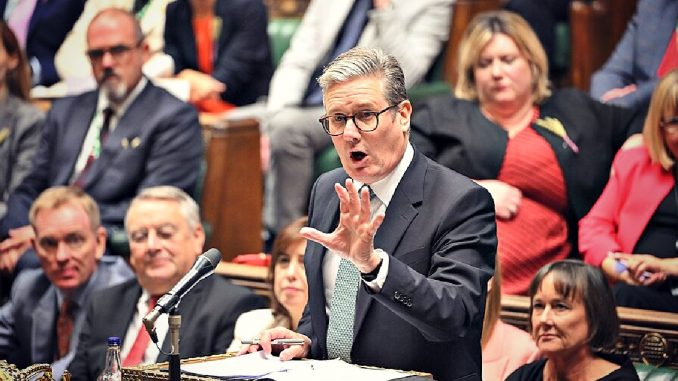
Millions of voters across England, Scotland, and Wales are casting ballots in elections that will determine control of thousands of council seats, mayoral offices, and devolved government positions. Prime Minister Keir Starmer has urged supporters to “fight for every vote” as Labour heads into what officials are openly describing as a challenging contest.
Analysts say Labour is defending a large number of seats and could face significant losses if current polling trends hold, with Reform UK and the Greens both expected to make gains in key battleground areas.
Labour Under Pressure
The governing party is entering the elections in a defensive position, with polls suggesting major losses in traditional strongholds across England and Wales.
Voters in some areas historically considered Labour strongholds are showing increased openness to alternative parties, raising pressure on the party’s national leadership as results begin to come in.
Reform UK Surge
Nigel Farage’s Reform UK is positioning itself as a major challenger in several regions, particularly in areas frustrated with mainstream parties.
The party is gaining traction among voters focused on immigration, cost of living, and local services, with attention on whether that support can translate into council-level control.

Nigel Farage is thundering towards victoryCredit: PA
Green Party Gains
The Green Party is also expected to benefit in urban constituencies, particularly among younger and left-leaning voters.
Environmental concerns and cost-of-living issues are driving increased attention toward smaller parties in major cities, where Greens are hoping to convert support into local council seats.
Conservative Struggles
The Conservative Party is also facing pressure in many areas, with competition coming from multiple directions rather than a single challenger.
Vote splitting between Conservatives, Reform, and Liberal Democrats is shaping several key races, adding uncertainty to traditional strongholds and marginal councils.

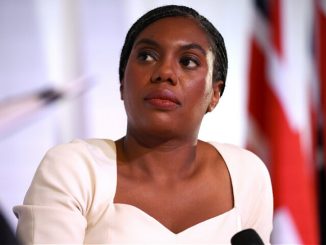
Kemi Badenoch’s ‘bounce’ in Westminster will not save her recovering party from also suffering heavy lossesCredit: Alamy
Leadership Pressure and National Implications
Beyond local government, the results are being closely watched in Westminster, where political performance is increasingly tied to leadership stability.
All major parties are treating the elections as a broader test of national direction, with potential fallout depending on how strongly or poorly each performs across key regions.
🔍 Critical View: What These Election Results Really Show
The UK local elections are being viewed by critics as more than just a routine political contest—they are being seen as a sign of deeper instability in how voters are responding to the main parties, especially around political fragmentation and voter dissatisfaction.
Weak party unity is splitting the vote
Critics argue that the biggest story is not just losses or gains, but how divided the political landscape has become. With support spreading across Labour, Conservatives, Reform UK, Greens, and others, they say voter division is making it harder for any party to build stable, long-term control in local government.
Protest voting is reshaping outcomes
A major concern is the rise of Reform UK and protest-style voting, which critics describe as a sign of frustration rather than long-term political alignment. They argue that when voters shift quickly toward newer or smaller parties, it can produce unpredictable results and unstable councils that struggle to maintain consistent policy direction.
Urban shifts are changing local power balance
In cities, Green Party gains in urban areas are being highlighted as part of a broader shift in how younger and city-based voters are choosing to express concerns on cost of living and environmental issues. Critics, however, question whether this level of support translates into practical governance at the council level.
Opposition split is weakening challenge to government
Another key concern is Conservative vote splitting, where competition between multiple opposition parties is dividing the vote in several regions. Critics argue this fragmentation weakens the ability to mount a unified challenge, allowing outcomes to be shaped more by division than majority preference.
Local results are being read as national signals
Finally, there is concern over how these results are being interpreted through a national lens, with Westminster-level implications being drawn from local elections. Critics warn that local issues like housing, taxes, and council services can differ significantly from national politics, and overreading the results may distort the real picture.
In simple terms, critics say the bigger issue is not just who won or lost—but whether UK politics is becoming more divided, more unpredictable, and harder for voters to clearly align behind stable leadership choices.
👥 On the Ground:
Across the United Kingdom, the local elections are playing out with a clear sense of voter frustration and shifting loyalties, as people use their ballots to send messages about national direction, local services, and the rising cost of living.
Political fragmentation and voter division (Split voting on the ground)
In many polling areas, voters are no longer sticking firmly to traditional party lines. Instead, support is being spread across Labour, Conservatives, Reform UK, Greens, and smaller local candidates. This political fragmentation and voter division is making outcomes harder to predict, with conversations outside polling stations often focused on dissatisfaction rather than strong party loyalty.
Protest voting and Reform UK support (Frustration-driven turnout)
In several regions, especially areas hit by economic pressure and concerns over immigration and local services, Reform UK is drawing attention from voters who say they feel disconnected from mainstream parties. This protest voting trend is being described on the ground as a way for voters to signal frustration rather than long-term political alignment.
Urban voting shifts and Green Party gains (City-focused priorities)
In larger cities, the Green Party is picking up support in select districts, particularly among younger voters and renters. These urban voting shifts are tied to concerns about housing costs, public transport, and environmental priorities, with some voters saying they want alternatives to the main parties in city councils.
Vote splitting shaping tight races (Uncertain outcomes in key councils)
In several areas, vote splitting between multiple parties is making local races more competitive and unpredictable. Conservative and Labour candidates in particular are facing pressure from Reform and Liberal Democrat challengers, creating situations where small shifts in support could decide control of entire councils.
Cost of living and local services (Everyday issues driving turnout)
On the ground, many voters say their decisions are being driven less by national politics and more by everyday concerns. Issues like council tax, housing shortages, and pressure on local services are repeatedly coming up in conversations outside polling stations, with residents focusing on practical impact over party messaging.
Uncertain council control ahead (No clear direction in many areas)
As voting continues, there is growing expectation that several councils may end up with no clear majority, leading to coalition arrangements or minority control. This uncertain council control reflects a broader election cycle where voter dissatisfaction is clear, but consensus on solutions is not.
🎯 The Final Word:
As results continue to come in, the local elections are shaping up less as a clear victory for any one party and more as a signal of widespread voter frustration and shifting political loyalties across the UK. While Labour, Conservatives, Reform UK, and the Greens all look set to claim wins in different areas, the bigger story is the political fragmentation and voter division that is making it harder for any single party to build strong, stable control at the local level. With protest voting influencing key races and vote splitting changing outcomes in closely contested councils, the results point to a political landscape where voters are sending messages rather than giving clear mandates, leaving many local governments facing uncertainty about direction and leadership moving forward.