Published July 16, 2026
The military confrontation between the United States and Iran intensified for a fifth consecutive day, with both sides exchanging heavy strikes across multiple locations in the Middle East. As missile attacks and airstrikes continued, an unexpected diplomatic development emerged after Iran released an American woman who had reportedly been detained since 2024, prompting President Donald Trump to describe the move as a “gesture of goodwill.”
The simultaneous military escalation and humanitarian release have created a complex situation in which the possibility of diplomacy exists alongside the risk of a wider regional conflict.
Heavy Strikes Continue for Fifth Consecutive Day
The conflict showed no signs of easing as U.S. and Iranian forces continued exchanging military strikes.
According to reports:
- U.S. forces launched additional strikes targeting Iranian military infrastructure.
- Iran responded with missile and drone attacks directed at U.S. interests and regional military facilities.
- Air defense systems remained active across several parts of the Middle East.
- Military assets throughout the region were placed on heightened alert amid concerns that the conflict could continue expanding.
The latest exchanges follow several days of escalating military operations that have significantly increased regional tensions.
Trump Warns Iran’s Power Plants Could Become Targets
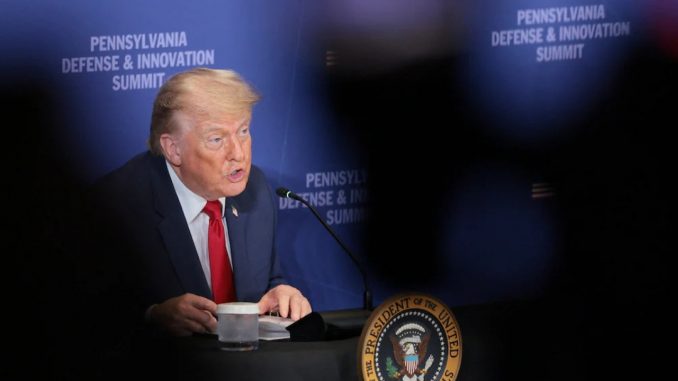
President Donald Trump issued one of his strongest warnings yet during the conflict.
Speaking about the ongoing military campaign, Trump suggested that Iranian power plants and additional strategic infrastructure could become future military targets if Tehran continues attacking U.S. forces or refuses to negotiate.
The remarks indicate that Washington is prepared to expand military pressure while continuing to demand changes in Iran’s behavior.
Defense officials have not announced any immediate plans regarding additional targets but emphasized that all options remain available if American personnel or allies are threatened.
Iran Releases American Woman
Amid the military confrontation, Iran released an American woman who had reportedly been detained since 2024.
President Trump announced the release, describing it as a positive humanitarian development.
According to the administration:
- The woman has safely departed Iranian custody.
- Trump characterized the release as a “gesture of goodwill.”
- The administration thanked officials involved in securing her freedom.
- No prisoner exchange was announced in connection with the release.
While few details about the negotiations have been disclosed, the development represents one of the first positive diplomatic signals since the latest conflict began.
Mixed Signals: Escalation and Diplomacy
The release of the American citizen contrasts sharply with the continuing military operations.
Analysts say the situation reflects two parallel developments:
- Military pressure continues to increase.
- Diplomatic communication channels may still remain open.
Some observers believe humanitarian actions can serve as confidence-building measures, while others caution that continued military operations could quickly overshadow any progress.
👥 Public / Political Reactions:
🇺🇸 United States
The Trump administration welcomed the release of the American woman while continuing its military campaign against Iran.
- President Donald Trump described Iran’s decision to release the detained American as a “gesture of goodwill.”
- U.S. officials said military operations would continue until Iran ceases actions threatening American forces, allies, and international shipping.
- The White House reiterated that diplomacy remains possible but only if Iran demonstrates a willingness to negotiate.
➡️ Position: The United States views the detainee’s release as a positive humanitarian step but maintains that military pressure will continue until broader security concerns are addressed.
🇮🇷 Iranian Government
Iran continued condemning U.S. airstrikes while confirming the release of the American citizen.
- Iranian officials accused Washington of violating Iran’s sovereignty through continued military operations.
- Tehran insisted that it would defend its territory and respond to further attacks if necessary.
- While officials provided limited details regarding the release, many observers viewed the move as a possible diplomatic signal.
➡️ Position: Iran rejects U.S. military actions while leaving open limited opportunities for humanitarian and diplomatic engagement.
🇮🇱 Israeli Government
Israel remains on heightened alert as fighting between the United States and Iran continues.
- Israeli defense officials continue monitoring Iranian military movements and regional proxy activity.
- Government leaders reaffirmed Israel’s commitment to preventing Iran from expanding its military capabilities.
- Security agencies continue coordinating closely with U.S. allies throughout the region.
➡️ Position: Israel supports efforts to counter Iran’s military capabilities while preparing for any further regional escalation.
🌍 International Community
World leaders continue urging restraint as military operations intensify.
- Several governments welcomed the humanitarian release of the American detainee.
- International organizations called on both Washington and Tehran to avoid further escalation.
- Diplomatic efforts continue to focus on preventing a broader regional conflict and protecting global energy supplies.
➡️ Position: The international community supports humanitarian progress while urging renewed diplomacy to reduce regional tensions.
👥 Public Response
Public reaction has reflected cautious optimism alongside growing concern.
- Many welcomed the safe release of the American woman after nearly two years in detention.
- Others remain concerned that continuing military operations could overshadow diplomatic progress.
- Global markets and energy analysts continue monitoring the conflict as uncertainty remains high.
➡️ Position: Public opinion welcomes the humanitarian breakthrough but remains concerned about the ongoing military confrontation.
🏛️ Broader Political Impact
The combination of continued military strikes and the detainee’s release has created a complex diplomatic landscape.
- Analysts believe humanitarian gestures may help preserve communication between Washington and Tehran despite active hostilities.
- Continued military escalation could either strengthen negotiating leverage or increase the risk of wider conflict.
- Governments across the Middle East are closely monitoring whether additional confidence-building measures emerge in the coming days.
➡️ Position: The simultaneous military escalation and humanitarian release highlight both the risks of continued conflict and the possibility of renewed diplomatic engagement.
⚠️ Resulting Effects:
The fifth consecutive day of U.S.-Iran military exchanges, combined with the unexpected release of an American woman detained since 2024, has created a rare situation in which military escalation and diplomatic signals are unfolding simultaneously. While the conflict continues to intensify, the humanitarian release has raised cautious hopes that communication between both governments remains possible.
1. Military Conflict Continues to Escalate
The exchange of strikes has entered its fifth straight day, increasing the risk of a broader regional conflict.
⚔️ U.S. forces continued targeting Iranian military infrastructure across multiple locations.
🚀 Iran responded with additional missile and drone attacks against U.S. interests and regional military facilities.
🛡️ Military forces across the Middle East remain on heightened alert as both sides prepare for possible further escalation.
➡️ Result: Continued military exchanges → heightened regional instability and increased risk of prolonged conflict.
2. Humanitarian Release Opens a Diplomatic Window
Iran’s decision to release an American woman introduced a rare positive development amid the fighting.
🤝 President Donald Trump described the release as a “gesture of goodwill.”
👥 The detainee’s release has been welcomed as a humanitarian breakthrough after nearly two years in Iranian custody.
📖 Analysts believe the move could help preserve diplomatic communication despite ongoing military operations.
➡️ Result: Humanitarian release → renewed but limited opportunity for diplomatic engagement.
3. Pressure on Iran Continues to Increase
Washington continues combining military operations with diplomatic messaging.
🇺🇸 President Trump warned that additional strategic infrastructure, including power plants, could become military targets if hostilities continue.
🎯 The United States maintains that its objective is to deter further Iranian attacks and protect American personnel and allies.
📢 The warning increases pressure on Tehran to reconsider its military and diplomatic options.
➡️ Result: Expanded U.S. pressure → increased strategic and political pressure on Iran’s leadership.
4. Regional Security Remains Highly Volatile
The conflict continues affecting security throughout the Middle East.
🛡️ Regional allies have strengthened military readiness and defensive operations.
⚓ Commercial shipping routes remain under close military surveillance.
🌍 Governments continue monitoring the possibility that additional regional actors or proxy groups could become involved.
➡️ Result: Ongoing hostilities → elevated regional security concerns and continued military preparedness.
5. Energy Markets and Global Trade Face Continued Uncertainty
The prolonged confrontation has renewed concerns over global economic stability.
🛢️ Oil markets remain sensitive to developments involving Iran and the Strait of Hormuz.
🚢 Shipping companies continue assessing operational risks and insurance costs.
📈 Investors remain cautious as uncertainty surrounding regional stability persists.
➡️ Result: Military escalation → continued volatility in global energy markets and maritime commerce.
6. Diplomatic and Military Paths Remain Open
The crisis now presents two competing possibilities.
🤝 The release of the American detainee demonstrates that humanitarian cooperation remains possible.
⚔️ At the same time, continued military strikes increase the likelihood of further confrontation.
🌐 International leaders continue urging both governments to pursue diplomacy before the conflict expands further.
➡️ Result: Simultaneous diplomacy and military escalation → uncertainty over whether the crisis moves toward negotiations or broader conflict.
🔮 Future Outlook:
The United States and Iran now face a critical turning point after five consecutive days of military exchanges and the unexpected release of an American detainee. The coming days will likely determine whether the humanitarian gesture develops into a broader diplomatic opening or is overwhelmed by continued military escalation across the Middle East.
1. Military Operations Could Continue to Expand
Both sides remain on high alert as the conflict continues.
🎯 U.S. forces are expected to maintain pressure on Iranian military infrastructure if new threats emerge.
🚀 Iran may continue missile, drone, or proxy-related responses if additional American strikes occur.
🛡️ Regional allies are likely to strengthen defensive measures while preparing for possible further escalation.
➡️ Outlook: Continued military readiness → risk of additional strikes and retaliatory actions remains high.
2. The Detainee Release Could Become a Diplomatic Opening
The release of the American woman has created a rare opportunity for communication.
🤝 President Donald Trump has portrayed the move as a “gesture of goodwill.”
📖 Analysts believe backchannel contacts may continue despite active hostilities.
🌐 Future humanitarian or confidence-building measures could help prevent further deterioration in relations.
➡️ Outlook: Humanitarian breakthrough → possible foundation for limited diplomatic engagement.
3. U.S. Pressure on Iran Is Expected to Persist
Washington is unlikely to ease pressure in the near term.
🇺🇸 The administration continues demanding changes in Iran’s behavior regarding regional security and attacks on U.S. interests.
⚡ President Trump has warned that additional strategic infrastructure could become future targets if hostilities continue.
📢 Military pressure and diplomatic messaging are expected to remain closely linked.
➡️ Outlook: Sustained U.S. pressure → continued leverage campaign aimed at influencing Iranian decisions.
4. Regional Security Will Remain Fragile
Middle Eastern governments are expected to maintain heightened security postures.
🛡️ Military forces throughout the region will continue monitoring missile, drone, and proxy activity.
⚓ Naval operations protecting commercial shipping routes are likely to remain intensified.
🌍 Neighboring countries will closely watch whether the confrontation spreads beyond current theaters of operation.
➡️ Outlook: Ongoing uncertainty → elevated regional security alert likely to continue.
5. Global Markets Will Closely Watch the Crisis
Economic and energy markets remain highly sensitive to developments.
🛢️ Oil prices could experience additional volatility if military operations expand.
🚢 Shipping costs and insurance premiums may remain elevated while tensions persist.
📊 Investors will continue monitoring any threat to energy flows through the Strait of Hormuz.
➡️ Outlook: Continued confrontation → prolonged uncertainty for global energy and financial markets.
6. The Next Phase Depends on Political Decisions
Ultimately, the direction of the crisis will depend on choices made in Washington and Tehran.
🤝 Additional humanitarian gestures or diplomatic contacts could create momentum for negotiations.
⚔️ Further large-scale strikes or retaliatory attacks could quickly push the region toward a broader conflict.
🌐 International governments are expected to intensify efforts to encourage de-escalation before that threshold is crossed.
➡️ Outlook: The coming weeks will be decisive in determining whether the crisis evolves toward renewed diplomacy or a deeper and more dangerous military confrontation.
🧩 Bottom Line:
The United States and Iran remain locked in one of the most dangerous confrontations in recent years, with five consecutive days of military strikes significantly increasing the risk of a broader regional conflict. President Donald Trump’s warning that additional strategic targets—including Iran’s power infrastructure—could be attacked demonstrates that Washington is prepared to intensify military pressure if hostilities continue.
At the same time, Iran’s release of an American woman detained since 2024 has provided a rare diplomatic breakthrough amid the fighting. President Trump described the move as a “gesture of goodwill,” raising cautious hopes that humanitarian cooperation could help preserve communication between the two governments despite active military operations.
While the release has been widely welcomed, both nations continue to exchange threats and maintain heightened military readiness. Regional allies remain on alert, global energy markets are closely monitoring developments, and international leaders continue urging restraint to prevent a wider Middle East war.
➡️ Bottom Line: The conflict now stands at a pivotal crossroads. The release of the American detainee offers a limited opportunity for diplomacy, but continued military strikes and escalating rhetoric could quickly overshadow that progress. The decisions made by Washington and Tehran in the coming days will likely determine whether the crisis moves toward renewed negotiations or a deeper and more dangerous regional confrontation.
SOURCES: ZEROHEDGE – Trump: Iran Has Freed Detained American Woman In ‘Goodwill’ Gesture, After Days Of Bombing
THE HILL – Trump says Iran has freed a U.S. citizen as gesture of goodwill
FOX NEWS – Trump says Iran released American woman held since 2024 in ‘gesture of goodwill’