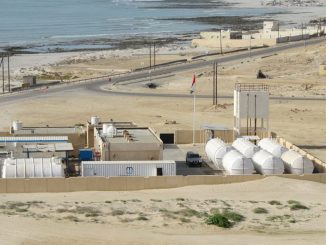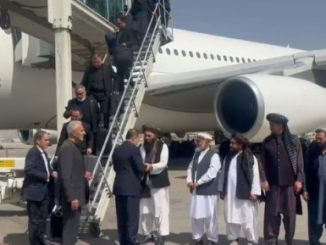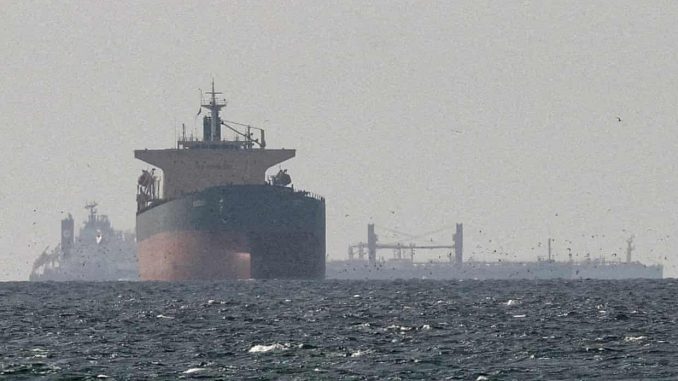
Baghaei’s discussion of a new middle route through the strait of Homuz would represent progress. Photograph: Reuters
Reported by:

Cherry Meigh Timbol
News Content Editor
Published August 3 , 2026
Iran has confirmed that discussions over the Strait of Hormuz shipping route are being conducted through Oman, not directly with the United States, as tensions continue between Tehran and Washington.
The development comes after U.S. President Donald Trump said talks with Iran were expected to begin, suggesting a possible diplomatic path to ease the crisis. Iranian officials, however, rejected the claim of direct negotiations and said Oman remains the main channel for discussions.
Oman Becomes Key Diplomatic Channel
Oman has emerged as a central mediator in efforts to reduce tensions between Iran and Western countries. Officials in Tehran said talks with Muscat are focused on issues involving maritime access, shipping arrangements, and security concerns surrounding the Strait of Hormuz.
The waterway, located between Iran and Oman, is one of the world’s most important shipping routes, with a large share of global energy supplies passing through it.
Tehran Calls for Previous Commitments to Be Honored
Iran has urged the United States to respect previous understandings and agreements, arguing that future discussions must address outstanding disputes before broader cooperation can take place.
Washington has maintained that any agreement must include guarantees on navigation rights and regional stability.
Global Markets Closely Monitor Situation
The uncertainty surrounding the Strait of Hormuz has drawn international attention, with energy markets and shipping companies monitoring developments closely. Any prolonged disruption in the region could affect oil supplies, transportation costs, and global trade.
While Oman’s involvement may provide a diplomatic pathway, major differences between Iran and the United States remain unresolved.
For now, Tehran insists that discussions are being handled through Oman, while Washington continues to express interest in negotiations aimed at reducing tensions.
👥 Public / Political Reactions:
🇮🇷 Iran
Iranian officials rejected claims of direct negotiations with the United States and emphasized that talks regarding the Strait of Hormuz are being handled through Oman.
- Tehran insisted that any diplomatic progress must include recognition of previous agreements and commitments.
- Iranian officials accused Washington of failing to honor earlier understandings.
- Authorities maintained that Iran’s position on control and security of the Strait of Hormuz remains unchanged.
➡️ Position: Iran is prioritizing negotiations through Oman while demanding guarantees and respect for previous agreements before any broader diplomatic breakthrough.
🇺🇸 United States
U.S. officials expressed optimism that discussions with Iran could begin as tensions continue over the Strait of Hormuz.
- President Donald Trump said talks were expected to move forward as part of efforts to reduce the crisis.
- Washington has emphasized the importance of freedom of navigation and regional security.
- U.S. officials continue seeking a diplomatic solution while maintaining pressure on Tehran.
➡️ Position: The United States is pushing for negotiations aimed at reducing tensions while seeking assurances on maritime security and regional stability.
🇴🇲 Oman
Oman has taken a central role as a mediator between Iran and international actors.
- Officials in Muscat are facilitating communication between Tehran and outside parties.
- Oman’s involvement is aimed at preventing further escalation in the Gulf region.
- The country is attempting to provide a diplomatic pathway for resolving disputes surrounding the Strait of Hormuz.
➡️ Position: Oman is acting as a neutral intermediary focused on dialogue, de-escalation, and regional stability.
🌍 International Community
Countries and global markets are closely monitoring developments surrounding the Strait of Hormuz.
- Governments are concerned about possible disruptions to one of the world’s most important energy shipping routes.
- Energy markets remain sensitive to any escalation between Iran and the United States.
- International actors are urging restraint and continued diplomatic engagement.
➡️ Position: The international community is calling for stability and negotiations to prevent wider regional and economic consequences.
👥 Public Response
Public reactions have been shaped by concerns over conflict escalation, energy prices, and regional security.
- Communities in the region remain concerned about possible military confrontation.
- Global audiences are watching developments closely due to the importance of the Strait of Hormuz.
- Many are calling for diplomacy to avoid further instability.
➡️ Position: Public sentiment largely reflects concern over escalation and support for peaceful negotiations.
🏛️ Broader Impact
The dispute has increased attention on the strategic importance of the Strait of Hormuz and Middle East diplomacy.
- The situation could influence global oil markets and international shipping.
- Continued tensions may increase pressure on governments to pursue diplomatic solutions.
- The role of Oman highlights the importance of regional mediation efforts.
➡️ Position: The Iran crisis is being viewed as a major test of diplomacy, regional security, and global economic stability.
⚠️ Resulting Effects:
The Iran crisis and tensions surrounding the Strait of Hormuz have created significant diplomatic, economic, and security consequences. While Oman’s mediation efforts provide a possible path toward reducing tensions, uncertainty remains over negotiations between Tehran and Washington and the future stability of one of the world’s most important maritime routes.
1. Shipping and Energy Market Disruptions
The uncertainty surrounding the Strait of Hormuz has raised concerns over global trade and energy supplies.
🚢 Shipping companies are closely monitoring developments due to the strategic importance of the waterway.
🛢️ Oil and gas markets remain sensitive to any possible disruption in the region.
📈 Increased tensions could lead to higher transportation costs and energy price volatility.
➡️ Result: Strait of Hormuz tensions → increased risks for global shipping and energy markets.
2. Diplomatic Tensions Between Iran and the United States
The dispute has deepened disagreements between Tehran and Washington over negotiations and previous commitments.
🇮🇷 Iran continues rejecting direct talks under current conditions and insists that agreements must be respected.
🇺🇸 The United States continues pushing for diplomatic engagement and guarantees on regional security.
⚖️ Differences over trust and previous agreements remain major obstacles.
➡️ Result: Political disagreements → slower diplomatic progress and continued uncertainty.
3. Increased Role of Oman as Mediator
Oman has gained greater importance as a diplomatic channel between Iran and international actors.
🇴🇲 Muscat is facilitating communication aimed at preventing further escalation.
🤝 Regional mediation efforts may help create opportunities for dialogue.
🌍 Oman’s involvement highlights the importance of neutral intermediaries during crises.
➡️ Result: Oman-led mediation → possible pathway for de-escalation and negotiations.
4. Regional Security Concerns
The situation has increased concerns among countries in the Middle East.
⚠️ Governments are monitoring potential military escalation in the Gulf region.
🛡️ Security forces remain alert around important maritime routes and infrastructure.
🌐 Allies and regional partners are assessing possible consequences of further tensions.
➡️ Result: Rising tensions → increased security measures across the region.
5. Impact on Global Economy
The crisis has raised concerns about broader economic effects beyond the Middle East.
💰 Energy price fluctuations could affect businesses and consumers worldwide.
🚛 Shipping delays or disruptions could impact international supply chains.
📊 Financial markets may react to uncertainty surrounding regional stability.
➡️ Result: Geopolitical instability → potential economic pressure on global markets.
6. Pressure for Diplomatic Solutions
The crisis has increased calls for negotiations and conflict prevention.
🕊️ International actors are encouraging dialogue between Iran and the United States.
📋 Diplomatic efforts may focus on rebuilding trust and addressing unresolved disputes.
🤝 Continued communication is seen as essential to preventing escalation.
➡️ Result: Rising tensions → stronger push for diplomatic engagement.
7. Long-Term Regional Implications
The outcome of the crisis could shape future security and diplomatic relations in the Middle East.
🌍 A successful agreement could reduce tensions and improve regional stability.
⚠️ Failure of negotiations could increase risks of further confrontation.
🔎 Countries will continue watching Iran’s actions and international responses.
➡️ Result: Iran crisis → lasting impact on regional security, diplomacy, and global energy stability.
🔮 Future Outlook:
The Iran crisis is expected to remain a major international issue as diplomatic efforts continue over the Strait of Hormuz and broader tensions between Tehran and Washington. While Oman’s mediation offers a potential path toward negotiations, unresolved disputes over agreements, security concerns, and regional influence could continue to shape the situation.
1. Diplomatic Talks Will Remain Uncertain
Future negotiations between Iran and the United States are expected to face significant challenges.
🕊️ Oman is likely to continue serving as a communication channel between Tehran and international actors.
🇮🇷 Iran may continue demanding guarantees that previous commitments will be respected.
🇺🇸 The United States is expected to seek assurances on security, navigation, and regional stability.
➡️ Outlook: Ongoing diplomacy → possible negotiations, but major disagreements remain unresolved.
2. Strait of Hormuz Will Remain a Global Focus
The strategic waterway is expected to remain at the center of international attention.
🚢 Shipping companies will continue monitoring risks affecting maritime operations.
🛢️ Energy markets may react to any changes in regional tensions.
🌍 Governments will closely watch developments due to the strait’s importance to global trade.
➡️ Outlook: Maritime uncertainty → continued international monitoring of shipping and energy security.
3. Oman’s Mediation Role May Expand
Oman is expected to maintain its role as a neutral diplomatic bridge.
🇴🇲 Muscat may continue facilitating discussions between Iran and Western countries.
🤝 Additional diplomatic efforts could emerge if both sides seek to avoid escalation.
📋 Oman’s involvement may become important in future regional negotiations.
➡️ Outlook: Regional mediation → increased reliance on diplomatic channels to manage tensions.
4. Regional Security Risks Will Continue
The possibility of further escalation remains a concern.
⚠️ Military activity and security measures may remain elevated around the Gulf region.
🛡️ Countries near the Strait of Hormuz may strengthen preparations for possible disruptions.
🌐 International partners will continue assessing risks to regional stability.
➡️ Outlook: Security concerns → continued vigilance as tensions remain unresolved.
5. Global Energy Markets Will Monitor Developments
The crisis is expected to continue affecting economic expectations.
📈 Oil prices may remain sensitive to reports of escalation or diplomatic progress.
🚛 Shipping and supply chains could face uncertainty if tensions increase.
💰 Businesses and consumers may experience effects from energy market fluctuations.
➡️ Outlook: Economic uncertainty → global markets remain dependent on regional stability.
6. Pressure for a Long-Term Agreement Will Increase
International efforts may focus on preventing repeated crises.
📋 Future discussions could address maritime security, sanctions, and diplomatic commitments.
🤝 Regional and global actors may push for a sustainable agreement.
🕊️ A negotiated solution could reduce risks of future confrontations.
➡️ Outlook: Long-term diplomacy → continued efforts toward stability and conflict prevention.
7. Iran-US Relations Will Shape the Next Phase
The future direction of the crisis will largely depend on decisions made by Tehran and Washington.
🇮🇷 Iran may maintain a firm position on sovereignty and previous agreements.
🇺🇸 The United States may continue balancing diplomacy with pressure tactics.
🌍 The international community will watch whether both sides move toward cooperation or further confrontation.
➡️ Outlook: Iran-US relations → the key factor determining regional stability and global security concerns.
🧩 Bottom Line:
The Iran crisis has entered a critical diplomatic phase as Tehran rejects direct negotiations with Washington while discussions over the Strait of Hormuz continue through Oman. The dispute comes amid rising tensions, competing claims from Iran and the United States, and concerns over the impact on global shipping and energy markets.
🇮🇷 Iran continues to insist that Oman is the main channel for discussions regarding the Strait of Hormuz, while accusing Washington of failing to honor previous commitments and agreements.
🇺🇸 The United States is seeking renewed dialogue with Tehran, with officials signaling that negotiations could help reduce tensions and restore stability in the region.
🇴🇲 Oman has emerged as a key diplomatic intermediary, attempting to facilitate communication between Iran and Western countries while preventing further escalation.
🌍 Global markets remain closely focused on developments, as any disruption in the Strait of Hormuz could affect oil supplies, shipping routes, and international trade.
➡️ Bottom Line: The Iran crisis highlights the fragile balance between diplomacy, regional security, and global economic stability. While Oman’s mediation offers a possible path toward de-escalation, major disagreements between Tehran and Washington remain unresolved, making continued negotiations and careful monitoring essential.
SOURCES: AL JAZEERA – Tehran says no current talks with US, Oman meetings ongoing
NATION NEWS NOW – Iran discussing Strait of Hormuz route with Oman, not US