Reported by:

Cherry Meigh Timbol
News Content Editor
Published August 10, 2026
TEHRAN, Iran — Iran has elevated longtime Islamic Revolutionary Guard Corps commander Mohsen Rezaei to secretary of the Supreme National Security Council, placing a veteran hardliner at the center of Tehran’s security decision-making as negotiations over the strategically vital Strait of Hormuz remain unresolved.
The appointment comes as Tehran continues to demand major concessions from Washington before agreeing to reopen the Strait of Hormuz, while President Donald Trump has publicly signaled a preference for pressure and diplomacy rather than immediately escalating the conflict.
The development has fueled questions over whether Tehran is preparing for a tougher negotiating posture rather than moving toward a rapid compromise.
Former IRGC Commander Rezaei Appointed — “Control of Hormuz Matters More Than Nuclear Weapons”
Rezaei, 71, commanded the IRGC from 1981 to 1997 and has remained an influential figure in Iran’s political and security establishment. He replaces Mohammad Baqer Zolqadr as secretary of the Supreme National Security Council.
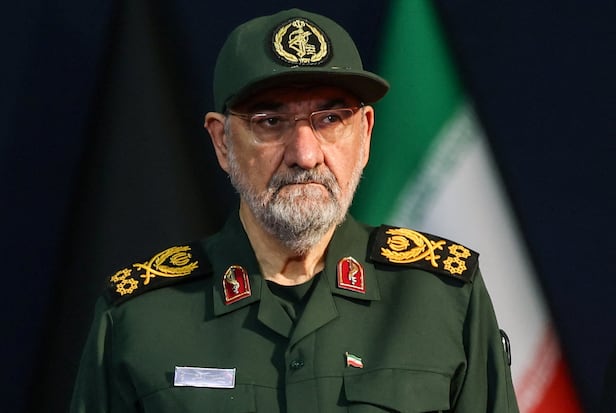 Mohsen Rezaei, Secretary-General of the Supreme National Security Council (SNSC), attends the memorial service for former Supreme Leader Ali Khamenei last month. /Reuters-Yonhap
His appointment is particularly significant because of his military background and longstanding ties to Iran’s security establishment.
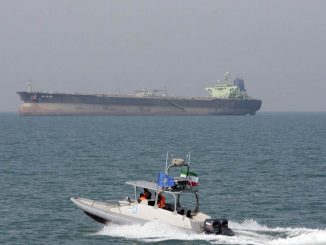
Iranian analysts and officials have increasingly portrayed control of the Strait of Hormuz as a powerful source of leverage. Recent reporting has suggested that Tehran views the waterway as a strategic bargaining tool that can exert pressure on Washington and the global economy.
One recent analysis argued that the conflict has elevated Hormuz’s strategic importance to the point that control of the waterway may provide Tehran with leverage exceeding the immediate value of its nuclear program.
Tehran Links Hormuz Reopening to U.S. Concessions
Iran has refused to simply reopen the Strait under U.S. pressure.
Tehran has demanded that Washington address a series of issues, including sanctions, compensation for war damage, U.S. military pressure and frozen Iranian assets. Iran and Oman have meanwhile been working on arrangements for shipping through the waterway.
The stakes are enormous.
The Strait of Hormuz is one of the world’s most important energy chokepoints, carrying a substantial share of global oil and liquefied natural gas shipments.
Any prolonged disruption could continue to affect global energy prices, inflation and international shipping.
Trump Signals a Different Approach
The Iranian hardline move comes as Trump has publicly talked down the prospect of immediate escalation.
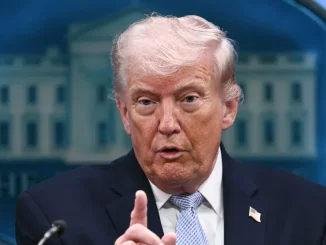
Trump said the United States was “low-keying it” on Iran, suggesting Washington was allowing economic pressure and diplomacy to work rather than rushing toward another major military escalation.
That approach contrasts with Tehran’s continued insistence that the United States must make concessions before the waterway is fully reopened.
The result is a potentially dangerous strategic mismatch: Washington may believe economic pressure can force Tehran toward compromise, while Iranian leaders may believe control of Hormuz gives them enough leverage to demand concessions first.
Rezaei’s Appointment Could Signal a Harder Line
Rezaei’s elevation does not automatically mean Iran has abandoned diplomacy.
But his background gives the appointment considerable significance.
Reuters described him as a longtime hardliner with extensive experience in Iran’s military and political establishment. He has also been an adviser to Supreme Leader Mojtaba Khamenei.
The leadership change therefore comes at a sensitive moment for negotiations over Hormuz.
The appointment could represent an effort by Tehran’s leadership to ensure that the country’s security establishment remains firmly involved in any negotiations over the waterway and the broader conflict.
The Nuclear Issue Takes a Back Seat
The dispute also demonstrates how the Strait of Hormuz has complicated the traditional U.S.-Iran confrontation over Iran’s nuclear program.
Rather than focusing exclusively on uranium enrichment and nuclear restrictions, negotiations are increasingly tied to maritime access, sanctions, military pressure and compensation.
That could make any eventual agreement significantly more complicated.
Iran may seek to use Hormuz as leverage in future nuclear negotiations, while Washington could insist that maritime security cannot become a bargaining chip.
👥 Public / Political Reactions:
🇮🇷 Iranian Leadership
Rezaei’s appointment places an experienced IRGC veteran in one of the country’s most important security positions at a critical moment. His elevation is likely to reinforce the influence of Iran’s security establishment over negotiations and national-security policy.
🇺🇸 Trump Administration
Washington has continued applying pressure while signaling that it does not necessarily want immediate military escalation. Trump’s comments about “low-keying” Iran contrast sharply with Tehran’s continued demands over Hormuz.
🛡️ Iranian Hardliners
The appointment could be welcomed by factions that favor maintaining pressure on the United States rather than accepting concessions.
🌍 Regional Governments
Gulf states and other regional powers have a direct interest in the reopening of Hormuz because prolonged disruption threatens energy supplies, shipping and economic stability.
⛽ Global Energy Markets
Continued uncertainty surrounding the waterway could keep pressure on oil and gas markets and increase concerns about transportation costs.
⚠️ Resulting Effects:
The appointment of a veteran IRGC commander while Iran maintains its demands over the Strait of Hormuz could have significant military, diplomatic, economic and geopolitical consequences.
1. Harder Iranian Negotiating Position
🇮🇷 Rezaei’s appointment could strengthen Iran’s security establishment in negotiations.
⚔️ Tehran may resist concessions viewed as weakening its strategic position.
🗣️ Negotiations could become more demanding.
➡️ Result: Rezaei appointment → potentially tougher Iranian bargaining position.
2. Hormuz Becomes a Central Bargaining Tool
🚢 Iran could continue using access to the waterway as leverage.
⛽ Global energy markets remain vulnerable to prolonged disruption.
⚠️ Washington could face pressure to reach an agreement.
➡️ Result: Hormuz leverage → greater pressure on U.S. policymakers.
3. Increased Tension With Washington
🇺🇸 Trump may continue relying on sanctions and economic pressure.
🇮🇷 Tehran may refuse to reopen Hormuz without concessions.
⚠️ The gap between the two positions could prolong the standoff.
➡️ Result: Conflicting strategies → prolonged U.S.-Iran confrontation.
4. Greater Role for the IRGC
🛡️ A former IRGC commander now occupies a key national-security position.
⚔️ Military considerations could receive greater weight in policy discussions.
🏛️ The security establishment could gain additional influence over negotiations.
➡️ Result: Rezaei appointment → stronger IRGC influence over national security.
5. Continued Pressure on Global Energy Markets
⛽ Uncertainty surrounding Hormuz could continue affecting oil and gas prices.
🚢 Shipping companies may face higher risks and costs.
🌍 Energy-importing countries could remain exposed to disruption.
➡️ Result: Hormuz uncertainty → continued global economic risk.
6. Nuclear Negotiations Could Become More Complicated
☢️ Nuclear issues may increasingly become linked to sanctions and maritime access.
🗣️ Tehran could seek broader concessions in exchange for cooperation.
⚠️ Washington may resist tying nuclear negotiations to control of Hormuz.
➡️ Result: Hormuz dispute → more complicated nuclear diplomacy.
7. Increased Regional Security Concerns
🇸🇦 Gulf states could strengthen defensive preparations.
🇦🇪 Regional governments may seek greater security guarantees.
🇮🇱 Israel could closely monitor Iran’s evolving security posture.
➡️ Result: Hardline Iranian posture → heightened regional vigilance.
8. Risk of Further Escalation
💥 A failed negotiation could increase the possibility of military confrontation.
🚢 Any incident involving commercial shipping could rapidly escalate tensions.
⚠️ Miscalculation remains a major risk.
➡️ Result: Failed diplomacy → increased escalation risk.
9. Oman Becomes More Important Diplomatically
🇴🇲 Oman is playing a role in facilitating discussions surrounding maritime arrangements.
🤝 Muscat could become an increasingly important intermediary.
🕊️ Diplomatic channels could provide an alternative to direct U.S.-Iran negotiations.
➡️ Result: Hormuz negotiations → greater importance for Omani mediation.
10. Broader U.S.-Iran Strategic Contest
🇺🇸 Washington is relying heavily on economic and diplomatic pressure.
🇮🇷 Tehran is attempting to leverage geography and control of a critical waterway.
🌍 The confrontation could have consequences far beyond the Middle East.
➡️ Result: Hormuz standoff → broader strategic contest between Washington and Tehran.
🔮 Future Outlook:
The appointment of Mohsen Rezaei comes at a pivotal moment for Iran’s negotiations over the Strait of Hormuz. While his elevation does not prove that Tehran has rejected diplomacy, it places an experienced IRGC figure at the center of national-security decision-making just as the United States is attempting to use economic pressure to influence Iranian behavior.
1. Continued Iranian Pressure Over Hormuz
🚢 Tehran is likely to maintain its demands for reopening the waterway.
🇮🇷 Iran could continue treating Hormuz as a major negotiating asset.
⚠️ A rapid unconditional reopening appears unlikely under the current position.
➡️ Outlook: Iranian leverage → continued pressure for U.S. concessions.
2. Prolonged U.S.-Iran Negotiations
🇺🇸 Washington may continue economic and diplomatic pressure.
🇮🇷 Tehran could seek sanctions relief and other concessions.
⏳ Negotiations may take time to produce an agreement.
➡️ Outlook: Conflicting demands → prolonged negotiations.
3. Greater IRGC Influence
🛡️ Rezaei’s appointment could strengthen the role of military-security officials.
⚔️ Hardliners may have greater influence over the negotiating position.
⚠️ Diplomatic flexibility could become more difficult.
➡️ Outlook: Hardline appointment → stronger security establishment influence.
4. Continued Global Energy Uncertainty
⛽ Markets will closely monitor developments around Hormuz.
🚢 Shipping companies could continue preparing for disruptions.
📈 Any escalation could rapidly affect energy prices.
➡️ Outlook: Hormuz uncertainty → continued energy-market volatility.
5. Risk of a Major Strategic Miscalculation
⚠️ Iran could underestimate the willingness of Washington to escalate.
🇺🇸 The United States could underestimate Tehran’s willingness to absorb economic pressure.
💥 A military incident could quickly disrupt diplomacy.
➡️ Outlook: Miscalculation → potential escalation.
🧩 Bottom Line:
The appointment of former IRGC commander Mohsen Rezaei to Iran’s Supreme National Security Council comes at a critical moment as Tehran doubles down on its demands surrounding the Strait of Hormuz.
🇮🇷 For Iran, control of Hormuz provides a powerful source of strategic and economic leverage that Tehran appears determined to preserve.
🇺🇸 For Trump, the challenge is whether economic pressure and a lower-key approach can force Tehran toward concessions without requiring another major military escalation.
🛡️ For the IRGC, Rezaei’s elevation puts a veteran of Iran’s military establishment in a central national-security role during an extremely sensitive period.
⛽ For global markets, prolonged uncertainty over Hormuz creates continued risks for oil, gas and international shipping.
⚠️ For diplomacy, the biggest obstacle remains the gap between Washington’s desire for Iranian concessions and Tehran’s insistence that the United States must make concessions first.
🕊️ Bottom Line: Rezaei’s appointment does not necessarily mean diplomacy has failed, but it underscores how seriously Tehran views the Strait of Hormuz as a strategic bargaining weapon. With Iran demanding concessions before fully reopening the waterway and Trump signaling a preference for pressure over immediate escalation, the coming negotiations could determine whether the crisis moves toward a negotiated reopening—or another dangerous confrontation.
SOURCES: ZEROHEDGE – Tehran Doubles Down On Hormuz Demands As Hardline IRGC Commander Promoted To National Security Chief
THE CHOSUN DAILY – Iran Hardliner: Hormuz Strait Over Nukes
SEOUL ECONOMIC DAILY – Iran Names Hardline IRGC Veteran as Security Chief as Trump Shifts to Sanctions