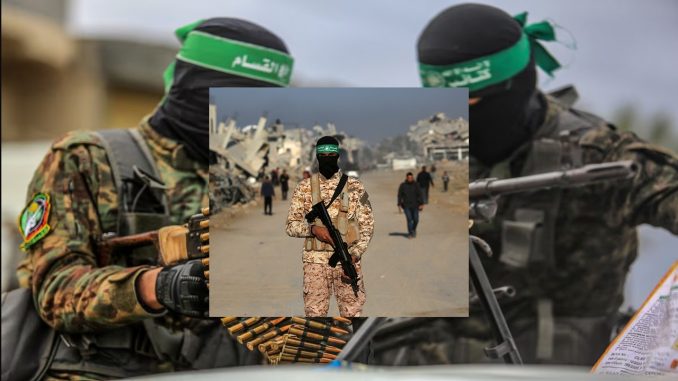
Hamas has used children as suicide bombers, used boys to launch incendiary kites toward Israeli positions, and hidden weapons and military operations beneath or within schools, hospitals, and refugee camps, endangering women and children.
Published July 2, 2026
For many people around the world, the October 7, 2023, Hamas attack on Israel marked the beginning of a devastating war. But for countless civilians inside Gaza, the suffering did not begin or end with Israel’s military response. Many Palestinians have also endured years of repression under Hamas’ rule, a reality that has received far less international attention.
Recent reports and investigations have renewed focus on allegations that Hamas has committed abuses against the very people it claims to represent. These include the use of civilian infrastructure for military purposes, the recruitment and exploitation of children, and violent crackdowns on Palestinians accused of dissent or collaboration.
According to a recent report published by The Gateway Pundit, Hamas has long been accused of placing military assets inside schools, hospitals, residential neighborhoods, and refugee camps, exposing civilians—particularly women and children—to greater danger during armed conflict. The report also alleges that children have been recruited or manipulated into supporting militant activities, raising concerns about violations of international humanitarian law.

Separate findings released in June 2026 by a United Nations investigative commission documented alleged abuses by Hamas against Palestinian civilians in Gaza between 2024 and 2026. The commission reported cases involving public executions, torture, intimidation, sexual violence, and punishment carried out without due process. It also found that children witnessed several public punishments, contributing to deep psychological trauma among Gaza’s youngest residents.
These findings paint a complex picture of life in Gaza, where ordinary civilians have often found themselves trapped between ongoing military conflict and authoritarian rule. Humanitarian organizations have repeatedly stressed that civilians should never become shields for combatants or targets of violence, regardless of which party is responsible.
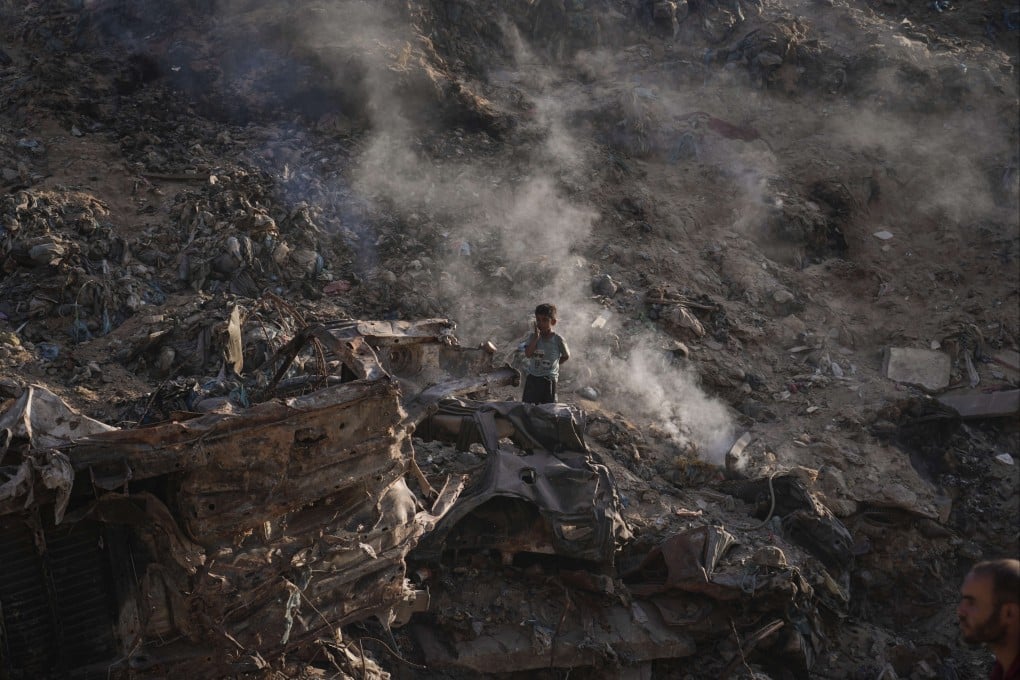 Palestinian civilians are caught between “mass atrocities” of Israeli forces, settlers and Hamas’ brutal rule, a UN-mandated inquiry said on Tuesday.
Palestinian civilians are caught between “mass atrocities” of Israeli forces, settlers and Hamas’ brutal rule, a UN-mandated inquiry said on Tuesday.Experts on armed conflict note that accountability should extend to all parties accused of violating international law. Allegations against Hamas, including the use of civilian areas for military operations and abuses against Palestinians, deserve thorough investigation, just as allegations concerning Israel’s conduct during the war continue to be examined by international bodies.
As the war drags on, one reality remains undeniable: it is Gaza’s civilians—especially its children—who continue to pay the highest price. Beyond the headlines and political narratives lies a population seeking safety, dignity, and the hope of a future free from violence.
For lasting peace to become possible, protection of civilians, accountability for abuses, and adherence to international humanitarian law must remain central, regardless of who commits the violations.
 Public / Political Reactions:
🇵🇸 Palestinian Civilians and Human Rights Advocates
The allegations have intensified concerns about the welfare of civilians living under Hamas’ rule in Gaza.
- Palestinian civilians have continued to bear the brunt of the ongoing conflict, with many caught between armed hostilities and internal repression.
- Human rights advocates have urged independent investigations into allegations that Hamas committed abuses against civilians, including children.
- Advocacy groups stress that Palestinian civilians deserve protection regardless of the party responsible for violations.
➡️ Position: Human rights advocates are calling for accountability and greater protection for Gaza’s civilian population.
🇮🇱 Israeli Government
Israeli officials have cited Hamas’ alleged actions as evidence of the group’s disregard for civilian lives.
- Israel maintains that Hamas’ use of civilian infrastructure for military activities complicates military operations.
- Officials argue that Hamas bears responsibility for placing civilians at risk by operating within densely populated areas.
- The Israeli government continues to call for the dismantling of Hamas’ military capabilities.
➡️ Position: Israel says Hamas’ tactics endanger both Israeli and Palestinian civilians and justify efforts to eliminate the group’s military infrastructure.
🌐 United Nations and International Organizations
International organizations continue to monitor alleged violations committed by all parties to the conflict.
- UN investigators have documented allegations of abuses by Hamas against Palestinians, including arbitrary killings, torture, and intimidation.
- Humanitarian agencies have repeatedly called for the protection of civilians and adherence to international humanitarian law.
- International bodies emphasize that all alleged war crimes and human rights violations should be independently investigated.
➡️ Position: International organizations are urging accountability for all parties while prioritizing civilian protection.
👥 International Public Response
The allegations have generated strong reactions across the international community.
- Many expressed outrage over reports involving children and other vulnerable civilians.
- Others called for balanced reporting that recognizes the suffering of civilians on all sides of the conflict.
- Public debate continues over how the international community should respond to allegations against Hamas while addressing the broader humanitarian crisis in Gaza.
➡️ Position: Public opinion remains divided politically but broadly supports protecting civilians and investigating alleged abuses.
🌍 Broader International Discussion
The reports have contributed to wider discussions about governance, accountability, and civilian safety in conflict zones.
- Analysts argue that armed groups governing civilian populations have a responsibility to comply with international humanitarian law.
- Experts warn that the continued conflict risks further endangering children and noncombatants unless meaningful protections are implemented.
- Many observers stress that lasting peace will require accountability, humanitarian assistance, and a negotiated political solution.
➡️ Position: The allegations have reinforced international calls for accountability, civilian protection, and efforts toward a sustainable resolution to the conflict.
 Resulting Effects:
The allegations of abuses committed by Hamas against Gazan civilians and children have intensified international scrutiny of the group’s conduct, renewed calls for accountability, and underscored the severe humanitarian consequences of the ongoing conflict. The reports have also fueled broader discussions on civilian protection and compliance with international humanitarian law.
1. Renewed Calls for Independent Investigations
International organizations and human rights groups are seeking accountability.
🔍 Independent investigators continue to examine allegations of abuses against Palestinian civilians.
⚖️ Human rights advocates are calling for impartial investigations into potential violations of international law.
📋 International bodies stress that all parties to the conflict should be held accountable for alleged abuses.
➡️ Result: Allegations of abuses → increased international calls for independent investigations and accountability.
2. Heightened Concern for Gazan Children and Civilians
The reports have drawn attention to the vulnerability of noncombatants.
👧 Children remain among the most affected by violence, displacement, and psychological trauma.
🏥 Humanitarian agencies continue to warn about deteriorating living conditions in Gaza.
🕊️ Aid organizations are urging stronger protections for civilians during armed conflict.
➡️ Result: Civilian suffering → greater international focus on protecting children and vulnerable populations.
3. Increased International Scrutiny of Hamas
The allegations have intensified global attention on Hamas’ governance and military practices.
🌍 Reports have prompted renewed examination of Hamas’ treatment of Palestinian civilians.
📖 Analysts continue to assess allegations involving the use of civilian infrastructure and internal repression.
⚠️ International observers stress the importance of verifying all allegations through credible investigations.
➡️ Result: Reports of abuses → heightened international scrutiny of Hamas’ actions.
4. Expanded Debate on International Humanitarian Law
The conflict has renewed discussions on legal responsibilities during war.
⚖️ Experts emphasize that civilians must never be targeted or used for military purposes.
📜 International humanitarian law requires all armed groups and states to protect noncombatants.
🤝 Legal experts continue to advocate for accountability regardless of the alleged perpetrator.
➡️ Result: Ongoing conflict → broader debate over compliance with international humanitarian law.
5. Greater International Attention to Gaza’s Humanitarian Crisis
The allegations have reinforced concerns over conditions inside Gaza.
📦 Humanitarian organizations continue to call for expanded aid access.
🏠 Many families remain displaced amid continuing instability.
💙 Relief agencies warn that prolonged conflict is worsening humanitarian needs.
➡️ Result: Continuing conflict → increased attention to Gaza’s humanitarian emergency.
6. Continued Polarization of International Opinion
The reports have intensified global political and public debate.
📰 Governments, advocacy groups, and media outlets continue to present differing interpretations of the conflict.
📱 Public discussions remain highly polarized across social media and international forums.
🕊️ Many observers continue to call for a peaceful resolution that prioritizes civilian protection.
➡️ Result: Allegations and ongoing conflict → continued international debate while reinforcing calls for peace, accountability, and civilian protection.
 Future Outlook:
The allegations of abuses against Gazan civilians and children are likely to remain the subject of international attention as investigations, humanitarian efforts, and diplomatic discussions continue. The findings of independent inquiries may influence future accountability efforts, humanitarian policies, and international responses to the conflict.
1. Investigations Into Alleged Abuses Are Expected to Continue
International bodies are likely to pursue additional fact-finding efforts.
🔍 Investigators may continue collecting witness testimony and forensic evidence.
⚖️ Human rights organizations are expected to monitor allegations involving all parties to the conflict.
📋 Additional reports may provide further clarity regarding alleged violations of international humanitarian law.
➡️ Outlook: Ongoing investigations → greater understanding of alleged abuses and potential accountability.
2. International Pressure for Civilian Protection May Increase
Governments and humanitarian organizations are expected to intensify calls for safeguarding civilians.
🕊️ International agencies may continue urging all parties to protect noncombatants.
👧 Greater attention is likely to be given to the welfare of children affected by the conflict.
📦 Humanitarian organizations may seek expanded access to deliver essential aid.
➡️ Outlook: Continuing humanitarian concerns → stronger international advocacy for civilian protection.
3. Humanitarian Assistance Could Expand
Relief efforts may grow as humanitarian needs remain severe.
🏥 Aid agencies are expected to continue providing medical, food, and shelter assistance.
🤝 International donors may increase support for humanitarian operations.
🏠 Recovery and rehabilitation efforts will likely depend on security conditions and access.
➡️ Outlook: Persistent humanitarian crisis → continued international relief efforts.
4. International Scrutiny of Hamas and Other Parties Is Likely to Continue
The conflict is expected to remain under close international observation.
🌍 Governments, international organizations, and analysts will likely continue monitoring developments.
📖 Future investigations may examine additional allegations involving all parties.
⚠️ Experts are expected to encourage evidence-based assessments before reaching conclusions.
➡️ Outlook: Continuing conflict → sustained international scrutiny and monitoring.
5. Diplomatic Efforts May Intensify
The humanitarian situation could renew efforts to reduce violence.
🤝 International mediators may continue pursuing ceasefire negotiations and humanitarian arrangements.
📢 Global leaders are expected to advocate for measures that reduce civilian suffering.
🕊️ Diplomatic initiatives may focus on protecting civilians while seeking longer-term stability.
➡️ Outlook: Ongoing conflict → continued diplomatic engagement aimed at reducing violence.
6. Accountability Will Likely Remain a Central Issue
Future developments may depend on the outcome of ongoing investigations.
⚖️ International institutions may consider additional legal or investigative actions where evidence supports them.
📜 Human rights organizations are expected to continue documenting alleged violations.
🏛️ Long-term discussions may focus on strengthening compliance with international humanitarian law and preventing future abuses.
➡️ Outlook: Investigation outcomes → potential accountability measures and renewed emphasis on protecting civilians under international law.
 Bottom Line:
The allegations of abuses committed by Hamas against Gazan civilians and children have added another layer of complexity to an already devastating conflict. While investigations and international scrutiny continue, humanitarian organizations stress that civilians—especially children—must be protected at all times, regardless of the party responsible. The findings of ongoing inquiries may shape future accountability efforts, humanitarian policies, and diplomatic initiatives. Ultimately, lasting peace will depend on protecting civilian lives, ensuring accountability for violations of international humanitarian law, and pursuing a sustainable political solution that addresses the needs and rights of all affected populations.
SOURCES: THE GATEWAY PUNDIT – Beyond October 7: Hamas’ Atrocities Against Gazan Children and Civilians
LE MONDE – In Gaza, UN inquiry reports Hamas abuses against Palestinians
SOUTH CHINA MORNING POST – UN report exposes brutal reality for Palestinians in Gaza, West Bank