
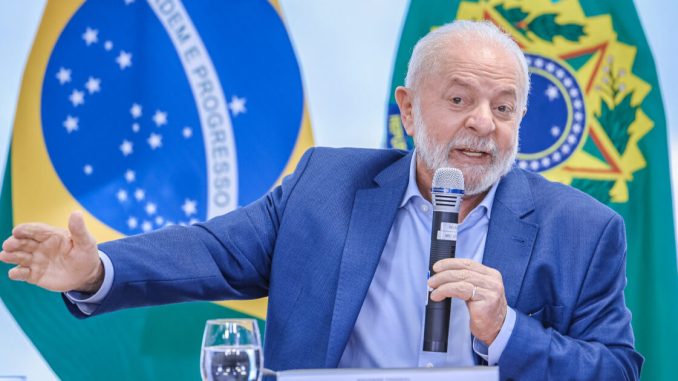
Brazilian President Luiz Inácio Lula da Silva speaks into a microphone at a meeting
Reported by:

Cherry Meigh Timbol
News Content Editor
Published October 31, 2026
Brazil’s government this week announced a set of measures against what it calls “electoral harassment” in workplaces. They come days after President Luiz Inácio Lula da Silva won re-election. The electoral court (TSE) reported that Lula took the Oct. 25 runoff with 51.79% of valid votes to Flávio Bolsonaro’s 48.21%. Lula had finished the first round about 2.2 million votes behind Bolsonaro, and his final margin was about 4 million votes.
The measures. Reports say the measures include seeking the removal of websites, posts and social media content that the government considers to promote political persecution or discrimination. A labor and employment attorney said further legal steps against tech platforms are planned, as complaints rose after the vote. Outlets also report that the effort involves the Justice and Labor ministries, federal prosecutors and the Superior Labor Court, and that financial penalties against businesses are being pursued. Full official documentation was not available at the time of writing.
Background. Brazil’s labor prosecutors (MPT) said they had received 1,937 electoral-harassment complaints through Oct. 26 and filed 59 public civil actions during the campaign. Workplace electoral harassment means pressuring workers over how they vote. In Pará, the MPT opened an inquiry into a city councillor’s post suggesting employers check staff political views and consider firing Lula supporters.
Platform regulation. In his victory speech, Lula signaled that regulating large platforms would be a priority. No bill or date has been set. The campaign also featured disputes over Meta. The TSE doubled a daily fine on the company over alleged noncompliance with an order on political content, following a complaint from Lula’s campaign. Meta denied any political bias.




