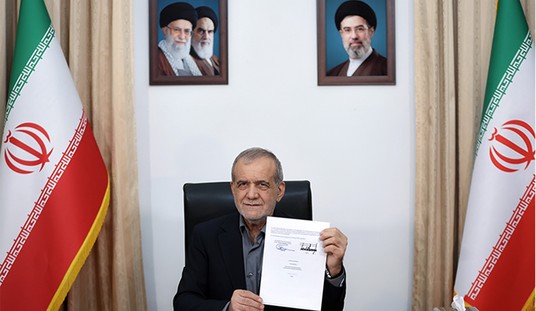
Iranian Presidency Office via AP
Editor: Diana Zapata
Published June 28, 2026
The reported Iranian strikes against Bahrain mark another dangerous step in an already volatile regional crisis. According to multiple news reports, Iran launched drone and missile attacks targeting locations associated with U.S. forces in Bahrain following American strikes on Iranian military facilities. While initial reports indicate limited physical damage and no significant casualties, the political message is unmistakable: Tehran is willing to broaden the conflict despite ongoing diplomatic efforts.
This latest escalation should dispel any remaining belief that ceasefires alone can guarantee stability. Agreements are only as durable as the willingness of all parties to honor them. When military retaliation becomes the preferred language of statecraft, diplomacy risks becoming little more than a temporary pause between exchanges of force.
Bahrain occupies a strategically significant position in the Gulf, hosting the U.S. Navy’s Fifth Fleet and serving as a critical security partner for Western and regional allies. An attack against Bahrain is therefore more than an isolated incident—it carries implications for the broader security architecture of the Middle East. Even if the material damage is limited, the willingness to target such a key ally raises concerns about deterrence and regional stability.
At the same time, measured analysis is essential. Military exchanges often create incentives for further retaliation, increasing the risk of miscalculation. Policymakers face the difficult task of balancing deterrence with efforts to prevent a wider regional war. Calls for restraint need not imply passivity, just as calls for a firm response need not reject diplomacy outright. The challenge lies in combining credible defense with sustained diplomatic engagement.
The events also underscore the strategic importance of the Strait of Hormuz, through which a substantial share of the world’s energy supplies passes. Continued instability threatens not only regional security but also global markets, commercial shipping, and economic confidence. As recent incidents involving commercial vessels demonstrate, the consequences of escalation extend well beyond the immediate combatants.
Ultimately, lasting peace cannot rest solely on temporary understandings or declarations of ceasefire. It depends on consistent adherence to international commitments, credible deterrence against aggression, and diplomatic mechanisms capable of managing crises before they spiral. Whether the current confrontation remains contained or develops into a broader conflict will depend on the choices made by leaders in the days ahead.
The international community should continue to monitor developments carefully, support efforts to reduce the risk of wider conflict, and encourage all parties to pursue avenues that protect civilian lives while addressing legitimate security concerns. The stakes extend far beyond Bahrain—they encompass the stability of an entire region and the security of the global economy.
 CONCLUSION
The reported strikes against Bahrain underscore the fragile state of security in the Middle East and the risks posed by continued military escalation. While nations have the right to protect their interests and citizens, lasting stability cannot be achieved through retaliation alone. The international community must support diplomatic efforts, uphold international law, and encourage restraint from all parties to prevent the conflict from expanding further. Ultimately, the choices made by regional leaders in the coming days will determine whether this crisis becomes another chapter in an ongoing cycle of violence or an opportunity to pursue a more stable and peaceful future.