Published June 28, 2026
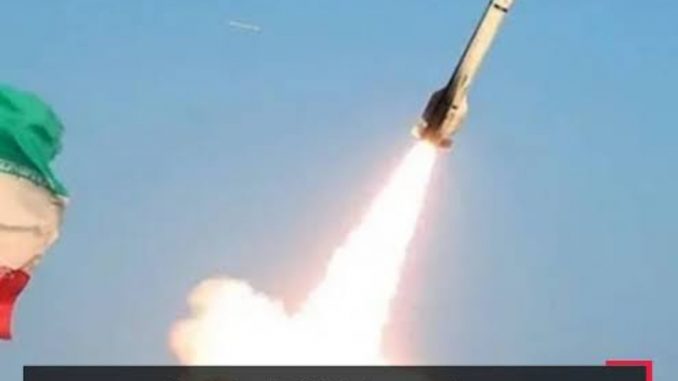
Iran has launched missile and drone attacks targeting U.S. military sites in Kuwait and Bahrain, marking a sharp escalation in tensions following American strikes on Iranian-linked targets.
Iran’s Islamic Revolutionary Guard Corps confirmed the attacks, saying they were carried out in response to recent U.S. military action tied to an earlier incident involving a commercial vessel in the Strait of Hormuz. U.S. officials said air defense systems were activated in both Kuwait and Bahrain, with several incoming threats intercepted. Initial reports indicate limited damage and no major casualties.
The U.S. strikes that preceded the retaliation reportedly targeted Iranian military infrastructure, including drone facilities and surveillance systems. American officials described the operation as a direct response to threats against international shipping lanes in the Gulf.
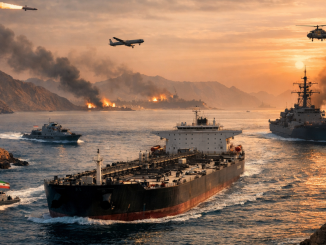
The Strait of Hormuz, a critical global oil route, remains at the center of the conflict. The recent attack on a commercial ship in the area raised concerns about the safety of maritime traffic and prompted swift military action from Washington.
Regional allies have been placed on high alert as the situation continues to unfold. Bahrain and Kuwait, both home to U.S. military installations, temporarily heightened security measures amid the incoming attacks.
The latest exchange has put renewed pressure on already fragile diplomatic efforts aimed at easing tensions between the United States and Iran. Both sides have accused each other of escalation, raising concerns that the situation could deteriorate further.
Officials continue to monitor developments closely as the risk of broader conflict in the region remains a growing concern.
🧩 Reading Between the Lines: U.S.–Iran Strikes Reveal a Rapidly Escalating Power Struggle
More Than Just Retaliation
A Strategic Message Beyond the Battlefield
Iran’s attacks on U.S. military sites in Kuwait and Bahrain appear to go beyond immediate retaliation. The choice of targets suggests a deliberate signal—that Tehran is willing and able to strike American assets across the region, not just respond in isolated incidents.
A Dangerous Back-and-Forth Is Taking Shape
Escalation Risks Growing With Each Move
The unfolding sequence—maritime tensions, U.S. strikes, and Iran’s counterattacks—points to a fast-moving cycle of escalation. Each step increases the risk of miscalculation, where a single incident could trigger a wider regional conflict.
Strategic Targets Carry Strategic Meaning
Why Gulf Bases Were Chosen
Kuwait and Bahrain are not random targets—they are central to U.S. military operations in the Gulf. Striking these locations sends a message not only to Washington but also to regional allies that American presence may be more vulnerable than previously assumed.
Global Implications Extend Beyond the Region
Energy Routes and Economic Stability at Risk
With tensions tied to the Strait of Hormuz, a critical global oil chokepoint, the situation carries far-reaching consequences. Even limited disruptions can send shockwaves through global energy markets and international trade.
Modern Warfare on Display
Missiles, Drones, and Defense Systems Tested
The exchange highlights how modern conflicts are increasingly defined by missile and drone capabilities, as well as the effectiveness of air defense systems. Continued attacks could strain defenses and expose gaps over time.
Diplomatic Options Are Narrowing
Fewer Paths to De-escalation
As both sides frame their actions as justified responses, opportunities for diplomacy appear to be shrinking. Without restraint, the situation risks shifting from controlled escalation to a broader and more unpredictable confrontation.
The Bigger Picture
A Region Edging Closer to Wider Conflict
The latest developments underscore how quickly tensions in the Middle East can intensify. What began as isolated incidents is now evolving into a larger strategic confrontation with potentially global consequences.
🔗 The Stakes: Why This Escalation Between the U.S. and Iran Matters
Immediate Threat to Regional Stability
Rising Risk of Wider Conflict
The exchange of strikes between the United States and Iran raises the immediate risk of a broader military confrontation in the Middle East. What began as isolated incidents is quickly evolving into a direct back-and-forth that could draw in additional countries and armed groups.
U.S. Forces and Allies on High Alert
American Military Presence in the Crosshairs
With Iran targeting bases in Kuwait and Bahrain, thousands of U.S. personnel and key military assets across the region are now at increased risk. Regional allies hosting American forces may also face heightened security threats as tensions continue to rise.
Global Energy Supply at Risk
Strait of Hormuz Remains a Critical Flashpoint
The conflict is closely tied to the Strait of Hormuz, one of the world’s most important oil transit routes. Any disruption—whether real or perceived—could impact global oil prices, shipping lanes, and economic stability far beyond the region.
Pressure on Defense Systems and Military Readiness
Air Defenses Tested Under Real Conditions
The use of missiles and drones highlights the growing importance of air defense systems in modern warfare. Repeated attacks could strain these systems, exposing vulnerabilities and forcing rapid adjustments in military strategy.
Diplomatic Tensions Intensify
Opportunities for De-escalation Shrink
As both sides justify their actions as necessary responses, diplomatic options may become increasingly limited. The longer the exchange continues, the harder it may be to contain the situation through negotiation.
Economic and Market Uncertainty Grows
Global Markets React to Instability
Heightened tensions in the Middle East often trigger volatility in global markets. Energy prices, shipping costs, and investor confidence could all be affected as the situation develops.
The Bigger Picture
A Conflict With Global Consequences
This is no longer just a regional issue. The ongoing escalation between the U.S. and Iran has the potential to impact global security, economic stability, and international relations, making it a situation closely watched around the world.
🏁 The Final Word: A Critical Moment With Uncertain Consequences
The latest exchange between the United States and Iran marks a pivotal moment in an already volatile region. What began as a series of isolated incidents has quickly evolved into a direct confrontation, raising concerns about how far the escalation could go.
Both sides have demonstrated a willingness to respond with force, while continuing to frame their actions as defensive. That dynamic leaves little room for missteps, where even a limited strike or miscalculation could trigger a much larger conflict.
At the same time, the broader implications cannot be ignored. From the security of U.S. forces and regional allies to the stability of global energy markets, the impact of this confrontation extends well beyond the Middle East.
For now, the situation remains fluid. Whether this turns into a prolonged standoff or moves toward de-escalation will depend on decisions made in the coming days. What is clear, however, is that the stakes are high, and the world is watching closely.
SOURCES: THE TIMES OF ISRAEL – IRGC confirms launching attacks on US military sites in Kuwait, Bahrain
HAARETZ – Iran Says U.S. Bases in Gulf to Experience ‘Hell’ in Coming Days in Response to Strikes
YNET GLOBAL – Iran’s IRGC launches missile, drone strikes on US military sites in Kuwait, Bahrain after US attacks