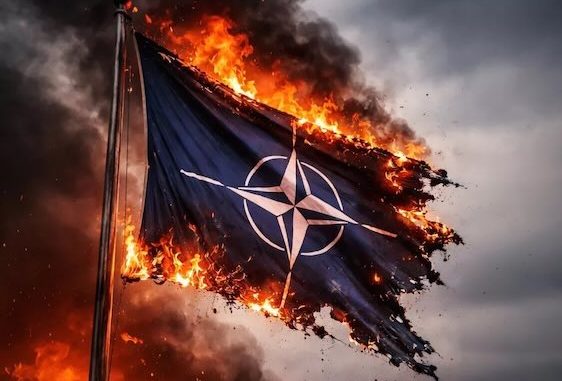
NATO, the end?
Published April 4, 2026
Tensions between the United States and its European allies may be entering a new phase—one that could reshape the future of NATO.
Recent signals from European governments suggest ongoing disagreements over defense spending, military readiness, and long-term commitments to collective security. For years, Washington has pressed allies to meet NATO’s benchmark of spending at least 2% of GDP on defense. While some countries have increased their budgets, others continue to lag behind—raising questions about burden-sharing within the alliance.
This divide could present an opportunity for Donald Trump, who has long criticized NATO partners for what he describes as an overreliance on American military support. During his previous term, Trump repeatedly warned that the U.S. would reconsider its role if allies did not “pay their fair share.”
Now, with geopolitical tensions rising—from Eastern Europe to the Middle East—the stakes are even higher.
A Strategic Inflection Point
Defense analysts argue that the current moment represents more than just routine disagreement—it could mark a turning point.
If European nations fail to present a unified and adequately funded defense posture, it strengthens arguments from those in Washington who favor a recalibration of U.S. commitments abroad. That could mean anything from reduced troop deployments to a more transactional approach to alliances.
Supporters of this view say it would force Europe to take greater responsibility for its own security. Critics warn it could weaken deterrence and embolden adversaries.
Europe’s Balancing Act
Leaders across Europe face competing pressures: increasing military budgets while managing domestic economic concerns, including inflation and energy costs. Some governments have pledged long-term increases, but implementation remains uneven.
Meanwhile, NATO continues to emphasize unity, with officials stressing that collective defense remains the cornerstone of transatlantic security.
🧩 Reading Between the Lines: Europe’s Weak Defense Posture Could Benefit Trump
The recent developments in Europe’s defense strategy have sparked renewed debate over the reliability of NATO allies and America’s role in global security. Observers suggest these moves may unintentionally give former President Trump a strategic talking point.
Europe’s Divided Commitments
European nations continue to struggle with defense spending and military readiness. While some countries meet NATO’s 2% GDP guideline, many others fall short, raising questions about whether the alliance is sharing the burden fairly. Analysts argue that these gaps leave the United States shouldering a disproportionate share of global defense responsibilities.
Trump’s Position Strengthened
For Trump and his allies, the current situation reinforces a long-standing argument: the U.S. must insist on fairness in international commitments. Critics of past policies say America has been too lenient, effectively subsidizing European defense. Now, the uneven spending and lack of cohesive action among European powers could validate calls for a more measured U.S. approach abroad.
Implications for the Future
As geopolitical tensions rise, Europe’s continued struggles may not only undermine NATO’s credibility but also create an opening for U.S. leadership to reconsider strategy. Observers say this moment could define transatlantic relations for years, putting the focus squarely on accountability, fairness, and strategic prudence.
🔗 The Stakes: Europe’s Defense Gaps Could Give Trump a Strategic Advantage
Tensions are rising as European nations struggle to meet defense commitments, potentially reshaping U.S. foreign policy and NATO’s future.
Europe’s Uneven Defense
Despite years of promises, many European countries continue to fall short of NATO’s 2% GDP defense guideline. Analysts warn that this uneven commitment leaves the United States carrying an outsized share of global security responsibilities, raising questions about fairness and strategic reliability.
Implications for Trump
Former President Trump has long criticized the U.S. for shouldering too much of the alliance’s burden. The current shortfalls provide him a talking point: the U.S. may need to reconsider its role in Europe unless allies take meaningful action.
Broader Concerns
Observers argue this situation is about more than one leader—it’s about ensuring alliances function fairly and effectively. With global tensions rising, Europe’s internal divisions could have long-term consequences for transatlantic security and U.S. strategic priorities.
🏁 The Final Word:
Europe’s ongoing defense shortcomings are more than just a political talking point—they reveal a serious imbalance in global security responsibilities. While NATO calls for shared commitments, the U.S. continues to bear the brunt of protecting the alliance. For Trump and those emphasizing fairness in international partnerships, these gaps underscore a simple truth: America cannot endlessly subsidize the security of nations that fail to uphold their own obligations. If European leaders do not step up, the U.S. must reconsider its role, prioritizing strategy, accountability, and the protection of American interests first.
SOURCES: THE GATEWAY PUNDIT – European Weaklings Just Handed Trump the Perfect Excuse to Blow Up NATO – And They’ve Only Got Themselves to Blame!