Published April 4, 2026
As Iran’s clerical regime faces sustained internal unrest and external military pressure, observers say the Islamic Republic appears more vulnerable than at any time in decades. From mass protests simmering beneath the surface to relentless crackdowns and escalating conflict with the United States and allies, the situation in Tehran has entered a perilous new phase.
War and Internal Strife Collide
The conflict triggered by coordinated U.S. and Israeli strikes in late February 2026 has not only intensified military hostilities but also sharpened political fault lines inside Iran. In recent months, demonstrations have erupted across the country, and Tehran’s security apparatus has responded with sweeping arrests, lethal force, and executions.
Officials reported that more than 850 public demonstrations of support — and opposition — have taken place since the war began, alongside at least 1,400 detentions. Critics argue this combination of internal dissent and external pressure has created a “double threat” that undermines the clerical leadership’s ability to maintain control.
Regime Crackdown Escalates
Despite repeated assertions of stability, Iran’s ruling elite has used the backdrop of war to intensify domestic repression. Recent executions of individuals linked to opposition groups underscore how Tehran is employing the judiciary and security forces to crush dissent amidst growing discontent.
Rights advocates warn that these measures — including tightened internet restrictions aimed at isolating citizens and limiting information flow — reflect a regime clinging to power while attempting to mask deeper instability.
Domestic Strain Meets Global Isolation
Experts highlight that Iran’s economy, already teetering under sanctions and internal mismanagement, faces further strain as markets react to war‑related disruptions. The Islamic Revolutionary Guard Corps (IRGC), long a pillar of regime control, is increasingly central to political authority, even as internal fractures deepen.
While Tehran continues to project strength, its actions suggest leadership focused on survival rather than reform — a dynamic that could embolden both internal opposition and external pressure from nations demanding accountability and change.
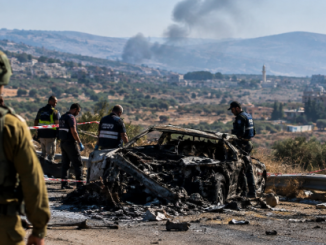
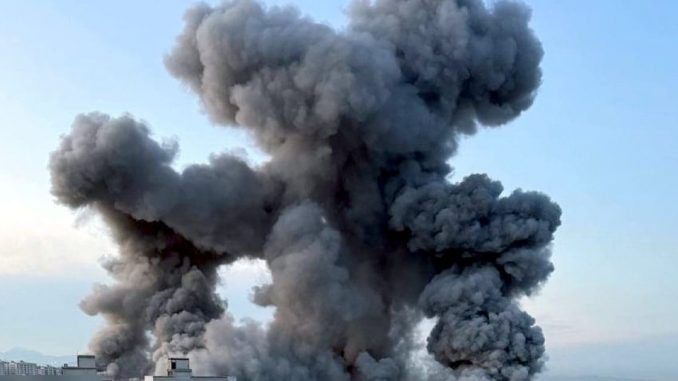
🚨 FULL-SCALE STRIKES UNDERWAY — THIS IS ESCALATING FAST
After Iranian attacks on U.S. positions in Kuwait and Bahrain…
U.S. and Israeli forces are now hitting targets across Iran.
This is no longer contained.
This is direct retaliation at scale.
Missiles. Drones.… pic.twitter.com/v2mYvpTE7H
— Jim Ferguson (@JimFergusonUK) April 4, 2026
🧩 Reading Between the Lines: Iran’s Regime Faces Unprecedented Pressure
Iran’s ruling clerics are under the strain of simultaneous domestic unrest and international pressure. While the government continues to assert control, a closer look at the country’s protests, economic struggles, and military engagements suggests the regime is far from stable.
Internal Unrest Grows
Mass demonstrations across Iran have shown that public frustration is not limited to one city or region. Reports indicate hundreds of protests and thousands of detentions in recent months. Analysts say this unrest highlights the disconnect between Tehran’s leadership and its population, signaling potential fractures within the government’s authority.
Economic and Military Strain
Sanctions and war-related disruptions have exacerbated Iran’s already fragile economy. At the same time, military pressures from the United States and its allies have forced the regime to focus on survival rather than domestic reform. Critics argue that Tehran’s reliance on the IRGC to maintain control underscores a leadership more concerned with consolidating power than addressing public needs.
Implications for the Future
While the regime projects strength publicly, observers warn that internal dissent and external pressure could weaken its hold on power over time. This convergence of challenges raises critical questions about the durability of Iran’s leadership and the potential for meaningful change in a nation long isolated from the world stage.
🔗 The Stakes: Iran’s Regime Under Pressure From All Sides
Iran’s ruling clerics are facing a perfect storm of internal unrest, economic strain, and external military pressure—an unprecedented challenge to their grip on power.
Domestic Unrest
Mass protests have erupted across Iran in recent months, with hundreds of demonstrations and thousands of arrests reported. Analysts warn that these protests reveal deep dissatisfaction among the population and growing cracks in the regime’s authority.
Economic and Military Strains
Sanctions and ongoing military pressures from the United States and its allies have further strained the Iranian economy. The regime’s heavy reliance on the IRGC to maintain control highlights its focus on survival over meaningful domestic reform.
Implications for the Future
Observers argue that Iran’s internal and external pressures could weaken the regime over time, potentially reshaping regional stability. The stakes are high—not just for Tehran, but for global security and the balance of power in the Middle East.
🏁 The Final Word:
Iran’s regime is facing pressures unlike any in recent memory, with widespread protests, economic collapse, and international military challenges converging at once. While Tehran continues to project strength, the reality is a government increasingly focused on survival rather than serving its people. Observers warn that unless the regime adapts, it risks further destabilization—creating not only a threat to its own citizens but also a growing concern for regional and global security. America and its allies must remain vigilant, holding Tehran accountable while ensuring that international pressures are applied effectively to protect stability and freedom in the Middle East.
SOURCES: JOE ROFT – The Radical Islamist Terrorist Regime Running Iran Is Getting Pummeled to Death
THE NEW YORK POST – All the pieces are lining up for regime change in Iran