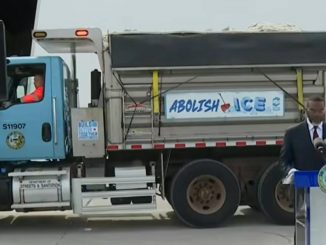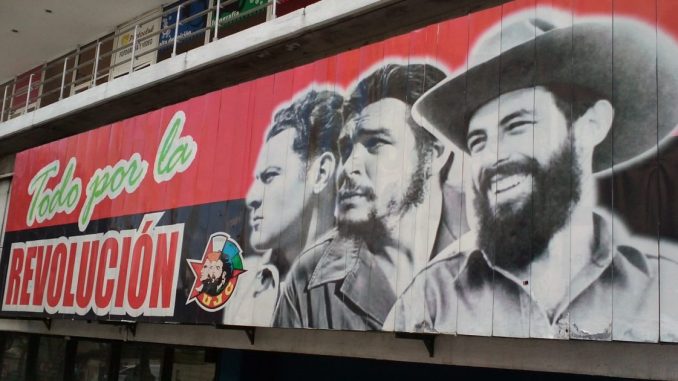
American leftists, supported by foreign and communist entities, including the Chinese Communist Party, are participating in “Hands Off Iran” rallies, anti-ICE protests, pro-Maduro demonstrations, and other pro-communist and anti-American activities, as well as direct support of the Cuban regime. Photo by Tumpatumcla~commonswiki, own work, CC BY-SA 4.0, via Wikimedia Commons.
Published March 27, 2026
In recent months, several groups and activist networks in the United States have come under scrutiny for their role in promoting messaging that aligns with the Cuba government’s narratives and interests. Critics say these efforts — funded or organized by left‑leaning activists or solidarity associations — help amplify the Cuban regime’s talking points abroad, even amid widespread economic crisis on the island.
Activist Trips and Solidarity Missions
One of the most talked‑about examples involves the “Nuestra America Convoy,” a delegation of activists from the U.S. and Europe that traveled to Havana claiming to deliver humanitarian aid and protest U.S. policies toward Cuba. Participants included well‑known online personalities and organized groups like Code Pink and others, who stayed in luxury hotels during their visit — a move critics described as “tone‑deaf” and more about propaganda than actual aid. Many Cuban exiles and observers argued the trip made it easier for the Cuban regime to present a positive international image despite deepening shortages and blackouts at home.
Critics also highlight solidarity missions by the Democratic Socialists of America (DSA) and similar organizations that endorse Cuba’s government under the banner of criticizing U.S. sanctions. Some commentary has even accused these groups of masking fundraising efforts or political organizing as humanitarian work, while overlooking the suffering of ordinary Cubans under an authoritarian system.
The “Nuestra America Convoy” sent socialists from North America and Europe to Cuba by air, sea, and land, under the guise of handing out 20 tons of humanitarian aid to protest the United States oil blockade on Cuba.

Isra Hirsi, the 23-year-old activist daughter of embattled “Squad” Rep. Ilhan Omar, is also in Havana.israhirsi/Instagram

Hirsi was in a picture shared by controversial nonprofit The People’s Forum, who’s also taking part in the convoy.peoplesforumnyc/instagram
Messaging and Media Influence
Beyond trips and rallies, pro‑Cuba messaging often spreads through media channels and allied networks that promote narratives sympathetic to Havana. While Cuba’s own state media and global solidarity networks have long worked to shape opinions internationally, U.S.‑based outlets and platforms with left‑leaning perspectives sometimes echo these positions — particularly when discussing U.S. sanctions or foreign policy. Critics argue this can unintentionally normalize or downplay the regime’s record of repression and economic mismanagement.
Supporters of normalization say their focus is on ending economic embargoes and fostering dialogue, but opponents counter that some activist messaging effectively serves as propaganda for a government that tightly controls political life and limits independent reporting inside Cuba.
Historical and Organizational Ties
The connection between U.S. activist groups and pro‑Cuba messaging isn’t entirely new. Solidarity organizations like the Venceremos Brigade have existed since the late 1960s, bringing Americans to Cuba to work and live alongside Cuban workers in support of the revolution. These kinds of groups have been part of a broader solidarity movement that opposes U.S. embargo policy and seeks closer ties with Cuba, reflecting decades‑old ideological networks.
More recent debates also touch on media outlets like Telesur, a Spanish‑language network backed by Cuba and other allied governments that broadcasts content sympathetic to Havana’s positions. Leftist or left‑leaning audiences in the U.S. may encounter and share such content, contributing to a broader debate over foreign influence and narrative shaping.
🔍 Analyst Insight: ACTIVISM, POLICY, AND FOREIGN INFLUENCE
Organized Messaging for Cuba
U.S.-based left-leaning organizations and activist networks are amplifying pro-Cuba narratives, often highlighting U.S. sanctions or promoting solidarity trips. Analysts note that while these actions are framed as humanitarian or educational, they often serve to present the Cuban government in a positive light, downplaying economic hardship and political repression at home.
Luxury Trips vs. Reality on the Ground
Delegations visiting Cuba frequently stay in upscale hotels and attend curated events, which critics argue distorts public perception of the island’s reality. This contrast between activist experiences and the everyday struggles of ordinary Cubans raises questions about the effectiveness and intent of these missions.
Media and Narrative Influence
Pro-Cuba messaging spreads through media channels and sympathetic outlets, including online platforms, magazines, and Spanish-language networks like Telesur. Analysts caution that U.S. audiences may be exposed to narratives that underplay government oppression, influencing public opinion and shaping debates about U.S. foreign policy toward Cuba.
Historical Ties and Ideological Networks
The networks behind these activities are not new. Organizations like the Venceremos Brigade and other solidarity groups have been active for decades, reflecting a long-standing effort to influence opinion abroad. Analysts point out that understanding these connections helps explain why certain narratives persist despite Cuba’s ongoing economic and political challenges.
Impact on Public Perception
These campaigns can shape Americans’ understanding of Cuba, often focusing on external factors like sanctions rather than the Cuban government’s internal policies. While supporters argue that solidarity missions and messaging aim to foster dialogue, critics assert that they indirectly support the Cuban regime’s propaganda objectives, influencing both policy debates and public opinion.
👥 Human Element: IMPACT ON PEOPLE AND COMMUNITIES
Everyday Cubans Face Hardship
While U.S.-based activists travel to Cuba and share curated experiences, ordinary Cuban citizens continue to endure energy shortages, food scarcity, and limited access to essential services. Analysts emphasize that these hardships are often overlooked in messaging campaigns, meaning the human cost of the regime’s policies is rarely highlighted to foreign audiences.
Exiles and Families Abroad
Cuban exiles in the U.S. watch these activities with concern. For them, pro-Cuba trips and social media campaigns can feel like a misrepresentation of the realities on the ground, undermining decades of efforts to highlight human rights abuses. These tensions impact community cohesion and public debate within diaspora communities.
Economic Consequences
Messaging campaigns and solidarity missions, while aimed at raising awareness or promoting dialogue, sometimes divert attention from the economic crisis in Cuba. Rising costs, shortages, and disruption of daily life for residents are real consequences that rarely make it into the narratives promoted abroad. Analysts note that focusing only on external factors like U.S. sanctions ignores the daily struggles of civilians under authoritarian policies.
Perception vs. Reality
Luxury accommodations and staged events for visiting activists create a false impression of normalcy. Observers say this gap between perception and reality can mislead international audiences, contributing to a narrative that the Cuban government is more stable and capable than it actually is. This contrast underscores the importance of understanding the human realities behind political messaging.
Community Resilience
Despite hardships, Cuban communities continue to demonstrate resourcefulness and resilience. Families and neighbors help each other cope with shortages, blackouts, and other challenges, highlighting the strength of local networks even under oppressive conditions. Analysts point out that the lived experience of Cubans often tells a very different story than the one portrayed abroad.
🎯 Conclusion:
The situation highlights a clear gap between activist messaging abroad and the realities faced by ordinary Cubans at home. While U.S.-based solidarity missions and media campaigns aim to promote dialogue or criticize sanctions, they often overlook the daily struggles of citizens, including shortages, blackouts, and restricted freedoms. Cuban exiles and observers warn that these narratives can misrepresent the human cost of the regime’s policies, creating a distorted perception for international audiences. Ultimately, understanding the lived experiences of the Cuban people is essential for evaluating the impact of these activist efforts, ensuring that discussions about Cuba are grounded in both political realities and human consequences.
SOURCES: THE NEW YORK POST – Tone-deaf radicals flock into Havana, staying in 5-star hotels while island in crisis: ‘Mockery of Cuban people’
THE GATEWAY PUNDIT – The Foreign Communist and Leftist Organizations Behind Pro-Cuba Regime Propaganda in the U.S.