Published March 27, 2026
The United States is considering a range of dramatic military options that could shape the future of its conflict with Iran, according to senior defense officials and media reports.
Pentagon planners are said to be reviewing what some call a “final blow” strategy — including possible ground operations or a large bombing campaign — in hopes of crippling Iran’s ability to continue fighting. These discussions come as the war between Iran and a U.S.–Israeli military coalition enters its fifth week, with no clear end in sight.
At the same time, U.S. military leaders are considering sending up to 10,000 more troops to the Middle East. These forces would join thousands already in the region and could be positioned near Iran or strategic sites like the Strait of Hormuz — a key passage for global oil shipments.
Pause and Pressure
President Donald Trump has temporarily paused some planned attacks on Iran’s energy infrastructure to give diplomacy another chance. Officials say talks with Tehran might still be possible, though Iran denies formal negotiations are happening.
However, Tehran’s military continues to strike U.S. allies and bases, and Iran still maintains missile and drone capabilities despite heavy losses. Recent intelligence estimates suggest only about one‑third of Iran’s known missile arsenal has been definitively destroyed, raising questions about how effective airstrikes alone can be.
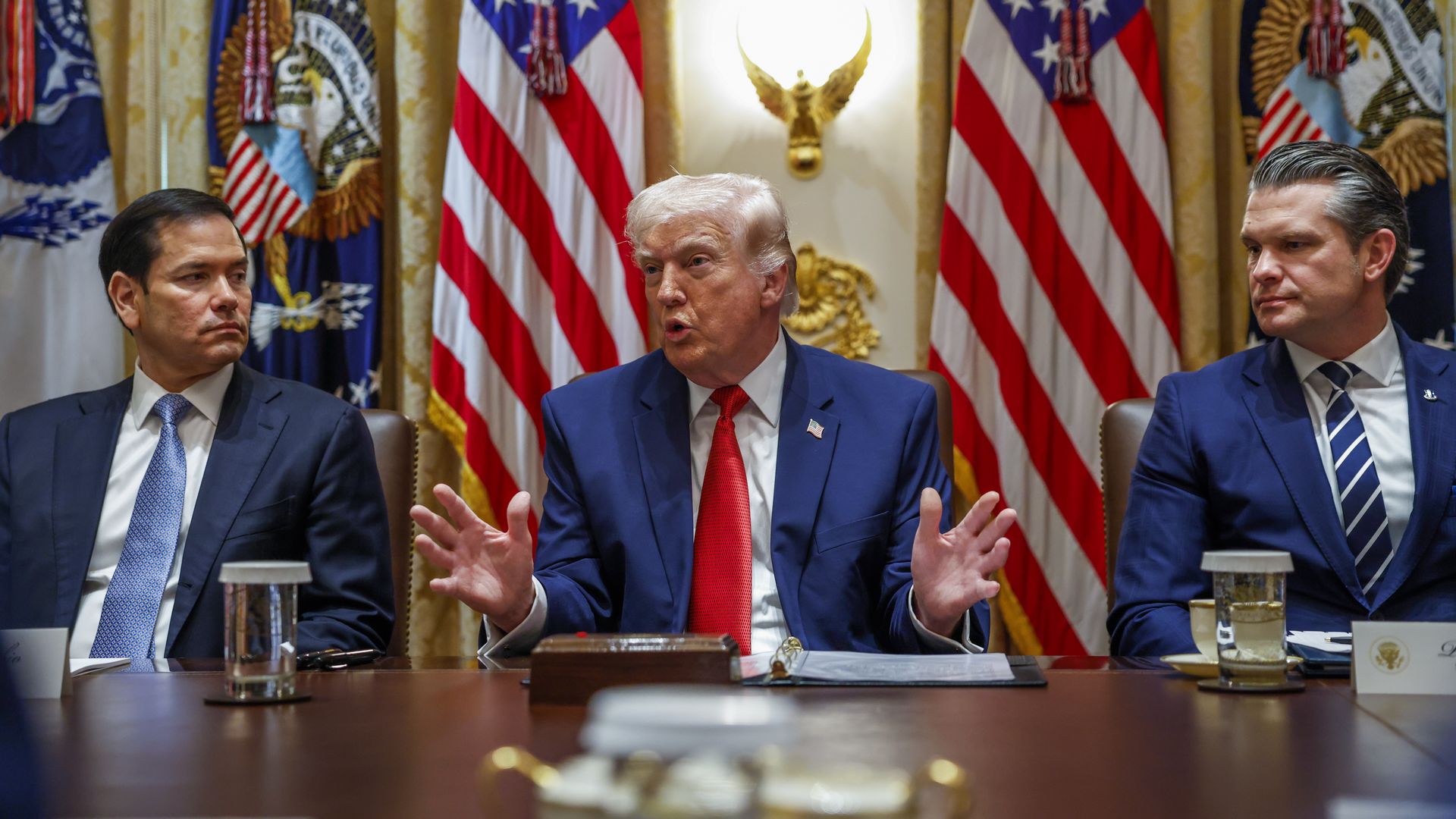
Secretary of State, Marco Rubio, President Trump and Secretary of Defense Pete Hegseth during a cabinet meeting at the White House on Thursday. Photo: Will Oliver/EPA/Bloomberg via Getty Images
Regional Impact and Human Cost
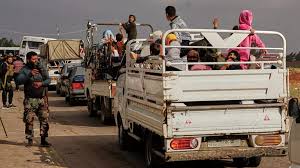
The broader Middle East remains unstable. Israeli forces have intensified attacks on Iranian targets in response to missile and drone strikes, and the closure of the Strait of Hormuz by Iran has hurt global energy markets and shipping. Humanitarian impacts are mounting, with thousands of casualties and widespread displacement reported across the region.
🔍 Analyst Insight: MILITARY STRATEGY, POLICY, AND REGIONAL IMPACT
Pentagon Considers a “Final Blow”
The U.S. military is reviewing options to deliver a decisive strike against Iran. Plans could involve targeted attacks on Iran’s energy infrastructure or limited ground operations. Analysts say these measures are meant to cripple Iran’s military capabilities quickly, but carry high risks of escalation. The discussion highlights how military strategy can be used to pressure adversaries while maintaining multiple options on the table.
Troop Deployment and Strategic Positioning
Up to 10,000 additional U.S. troops may be sent to the Middle East, joining forces already in the region. These troops would focus on strategic locations such as the Strait of Hormuz, a critical route for global oil shipments. Observers note that troop positioning serves both defensive purposes and as a signal to allies and adversaries, showing that the U.S. is serious about protecting interests and ensuring freedom of navigation.
Limits of Airstrikes
Despite heavy U.S. air campaigns, intelligence indicates that only about one-third of Iran’s missile arsenal has been destroyed. This raises concerns that airstrikes alone may not end the conflict, and that Iran retains the capacity to retaliate. Experts warn that relying solely on aerial attacks may prolong the war and increase risk to regional partners.
Diplomacy Remains a Factor
Some planned strikes have been temporarily paused to allow for possible diplomatic engagement. While Iran denies formal negotiations, U.S. officials continue to explore options to avoid full-scale escalation. Analysts note that signaling openness to talks can influence both international perception and Iran’s strategic calculations.
Regional Stability and Humanitarian Impact
Israeli forces have intensified strikes on Iranian targets, while Iran continues missile and drone attacks. The closure or threat to the Strait of Hormuz has disrupted global energy markets, and thousands of civilians have been displaced or affected by ongoing conflict. This demonstrates how military actions can have far-reaching economic and humanitarian consequences, beyond immediate tactical goals.
👥 Human Element: HUMAN ELEMENT: IMPACT ON PEOPLE, COMMUNITIES, AND DAILY LIFE
Civilians in Conflict Zones
The ongoing U.S.–Iran conflict has put thousands of civilians in direct danger. Communities near missile strikes and drone attacks face displacement, loss of homes, and disrupted access to basic necessities. Observers note that even limited military campaigns can create severe humanitarian challenges, affecting families and vulnerable populations who have no role in the conflict.
Global Energy and Economic Pressure
The threat or partial closure of the Strait of Hormuz has rippled across global oil markets, impacting fuel prices worldwide. Ordinary citizens, from commuters to businesses, feel the effects through rising energy costs and supply disruptions. Analysts say this demonstrates how regional conflicts can quickly become global concerns, touching daily life far beyond the battlefield.
Psychological Toll
For civilians and military families alike, the conflict produces heightened anxiety and uncertainty. Residents near conflict zones live with constant fear of missile strikes, while families of deployed troops experience stress over potential escalation. Experts highlight that the human toll of war is often invisible in policy discussions, yet it shapes public perception and community resilience.
Refugees and Displacement
As attacks intensify, displacement increases, forcing families to flee their homes. Aid organizations report that shelters are overwhelmed, and access to food, water, and medical care is limited. Humanitarian response becomes a critical component, even as military decisions dominate headlines, illustrating the real-world consequences of strategic choices.
Community Response and Solidarity
Despite challenges, local communities show resilience and mutual support. Volunteers and relief groups assist displaced families, coordinate supplies, and provide emotional support. Analysts note that such grassroots efforts mitigate the human cost of conflict, highlighting how civilians navigate crises while national and international leaders make high-stakes decisions.
🎯 Conclusion:
The U.S. stands at a critical crossroads in its conflict with Iran, facing high-stakes decisions between military escalation and diplomatic engagement. Every strategic move carries consequences not only for regional stability but also for the lives of ordinary civilians, who face displacement, psychological stress, and disrupted access to basic necessities. At the same time, the conflict affects global energy markets, international trade, and economic stability far beyond the Middle East. Balancing security objectives with humanitarian considerations is essential, as every strike, troop deployment, or policy decision has far-reaching implications. How the U.S. navigates the next steps will shape the outcome of the conflict, influence regional security, and impact the broader international community, highlighting the complex and multifaceted nature of modern warfare.
SOURCES: THE GATEWAY PUNDIT – Report: Trump Weighing ‘Final Blow’ Options to End Iran War
THE INDIAN EXPRESS – Trump weighs ‘final blow’ against Iran? Pentagon prepares 10,000 troops, secret plans to seize critical oil hubs: Report
AXIOS – Pentagon weighs sending 10,000 more combat troops to the Middle East