The government of Slovenia began fuel rationing measures this week amid the ongoing conflict in the Middle East, supply chain issues, and fuel tourism from neighbouring countries in Europe.
Published March 27, 2026
Slovenia has become the first European Union country to impose fuel rationing as global energy supplies feel growing strain from the ongoing conflict involving Iran and wider Middle East tensions. This move marks a significant step in how the energy fallout from the conflict is affecting countries far from the battlefield.
Limits on Fuel Purchases
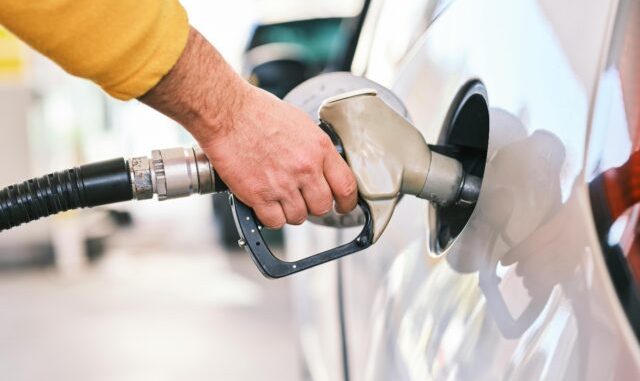
Under the new rules, private drivers are limited to purchasing up to 50 liters of gasoline or diesel per day, while businesses, farmers, and priority users can buy up to 200 liters daily. The rationing is in effect until further notice to prevent stockpiling and ease pressure on local gas stations.
Slovenian Prime Minister Robert Golob said there is enough fuel in storage and no risk of running out, but the challenge is getting supplies quickly from warehouses to service stations. To help with distribution, the government has authorized the Slovenian army to assist fuel deliveries

Petrol stations will have to police the new government-imposed restrictions
Pressure From Cross‑Border Demand
Slovenia’s rationing policy has been driven in part by a surge of drivers from neighboring countries, especially Austria and Italy, seeking to fill up at lower, regulated fuel prices. Officials say this so‑called “fuel tourism” has strained local supplies and contributed to the need for purchase limits.
Not Just Supply — Market Moves Too
Long queues and occasional pump closures at gas stations reflected rising demand and logistical bottlenecks, even though national fuel reserves remain ample. The government has also ordered an investigation into fuel distributor logistics, while private companies have implemented their own daily limits at some locations.
Energy Market Stress Linked to Middle East Turmoil
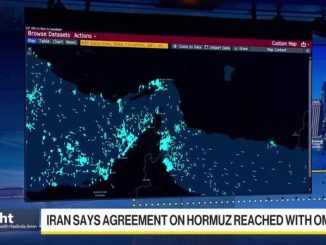
Experts link Slovenia’s rationing measures to broader disruptions in global energy markets tied to the Iran conflict and related regional instability. The closure of the Strait of Hormuz, a key route for Middle Eastern oil shipments, has disrupted flows and pushed prices higher, leading to ripple effects well beyond the immediate conflict zone.
As Slovenia navigates these challenges, other European nations are also preparing for potential energy strains. Officials across the European Union have urged early refilling of gas storage caverns and precautionary measures to guard against wider shortages if market volatility continues.
🔍 Analyst Insight: ENERGY POLICY, MARKET PRESSURES, AND PUBLIC RESPONSE
Supply Chains Under Stress
Slovenia’s fuel rationing highlights how small disruptions in global energy markets can quickly affect local supply chains. Even though national reserves remain sufficient, logistical bottlenecks and sudden surges in demand — including drivers from neighboring countries — have forced the government to implement strict daily limits. Analysts note that efficient distribution is just as critical as overall supply when maintaining stability at the pump.
Government Measures to Prevent Panic
The Slovenian government’s use of rationing is a preventive strategy, designed to reduce panic buying and ensure equitable access for both consumers and businesses. By involving the army in fuel distribution and setting clear limits, authorities are signaling that preparedness and order are prioritized over reactive measures, aiming to prevent wider economic disruptions.
Global Energy Volatility
The rationing measures reflect broader trends in international energy markets, where conflicts in the Middle East — particularly involving Iran — have disrupted oil flows through key chokepoints like the Strait of Hormuz. Analysts stress that even nations distant from the conflict zone are vulnerable to price spikes and supply shortages, making proactive energy management essential.
Public Perception and Trust
Managing public perception is equally important. Visible rationing can raise anxiety among citizens, but clear communication of supply adequacy and temporary measures helps maintain trust. Analysts argue that Slovenia’s approach shows a balance between enforcing limits and reassuring the population that shortages are manageable and temporary.
👥 Human Element: IMPACT ON CITIZENS AND COMMUNITIES
Daily Life Disrupted
Slovenia’s fuel rationing has direct effects on everyday life. Commuters face long lines at gas stations, and those who rely on private vehicles for work, school, or essential errands must plan carefully to avoid exceeding daily limits. Analysts note that even small delays in transportation can affect productivity and household routines, highlighting how energy supply issues quickly touch ordinary people.
Business and Agriculture Impact
Local businesses and farmers are particularly affected by fuel limits. Delivery trucks, farm equipment, and service vehicles rely on daily access to fuel. The restrictions mean that companies must adjust schedules and operations, potentially slowing economic activity. For farmers, limited diesel availability can delay planting, harvesting, and transport of produce, affecting both livelihoods and local food supply.
Stress from Cross-Border Demand
The phenomenon of “fuel tourism,” where drivers from neighboring countries purchase fuel in Slovenia, adds pressure to local communities. Residents sometimes struggle to access pumps, creating frustration and anxiety. Analysts note that such demand can make ordinary citizens feel secondary to international market pressures, increasing public stress during already tense times.
Adapting and Coping
Despite these challenges, many citizens are adapting. Carpooling, adjusting travel schedules, and using public transport help reduce strain. Communities are finding practical solutions to navigate temporary fuel shortages, showing resilience and resourcefulness in response to energy disruptions.
🎯 Conclusion:
Slovenia’s fuel rationing highlights the tangible impact of global energy disruptions on everyday life. While the country maintains adequate reserves, supply chain challenges, rising demand, and cross-border pressures have forced the government to impose strict limits on fuel purchases. The measures affect commuters, businesses, and farmers, demonstrating that even short-term shortages can ripple through daily routines and economic activity. As global conflicts continue to influence energy markets, Slovenia’s approach shows the importance of proactive planning, clear communication, and practical solutions to help citizens and communities navigate temporary crises.
SOURCES: BREITBART – Slovenia Becomes First European Nation to Start Energy Rationing Amid Iran Conflict
AOL – Slovenia becomes first EU country to introduce fuel rationing
NEWSWEEK – European Country Introduces Fuel Rationing: What to Know