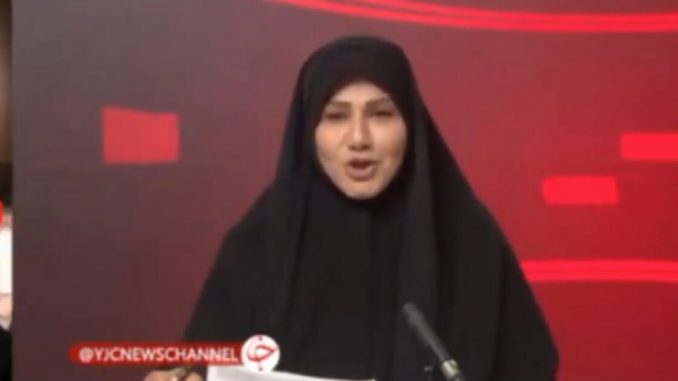
Iranian TV cheers the passing of Senator Lindsey Graham.
Published July 12, 2026
TEHRAN, Iran — Iranian state television ignited fresh controversy after a broadcaster declared, “I congratulate the Iranian people on the death of U.S. Senator Lindsey Graham, who has been sent to hell,” following news of the longtime South Carolina senator’s death. The remarks, broadcast on Iranian state media and amplified by pro-regime outlets, stood in stark contrast to the tributes pouring in from Washington, Jerusalem, Kyiv, and allied capitals.
The extraordinary reaction underscored just how deeply Senator Graham had become associated in Tehran with America’s hardline approach toward the Islamic Republic.
Why Was Lindsey Graham So Hated by Iran?
For years, Lindsey Graham was one of the most outspoken advocates of confronting the Iranian regime.
He repeatedly argued that Iran’s leadership posed one of the greatest threats to stability in the Middle East, backed President Donald Trump’s maximum-pressure strategy, supported military action against Iran’s nuclear program, and frequently called for regime change if Tehran refused to abandon its aggressive regional policies.
Following the assassination of Iran’s Supreme Leader Ayatollah Ali Khamenei during the recent U.S.-Israeli conflict, Graham intensified his criticism of Tehran and publicly supported continued pressure against the regime. To Iran’s leadership, he became more than an American senator—he became a symbol of Washington’s campaign against the Islamic Republic.
State Television Reflects the Regime’s Narrative
Iran’s state broadcaster has long echoed the positions of the country’s ruling establishment.
The broadcaster’s celebration of Graham’s death reflects the official narrative that portrays senior American officials who support sanctions, military action, or regime change as enemies of the Iranian state.
According to reports, Iranian television personalities and hardline media figures openly mocked Graham’s passing, while some commentators described his death as justice for his role in supporting policies they believe harmed Iran.
A Stark Contrast
While Iranian state media celebrated, leaders across much of the Western world remembered Graham very differently.
President Donald Trump called him a “true American patriot,” praising his decades of public service and unwavering support for America’s military and allies. Israeli Prime Minister Benjamin Netanyahu, Ukrainian President Volodymyr Zelenskyy, NATO leaders, and numerous U.S. lawmakers also honored Graham for his leadership on national security and foreign policy.
The dramatically different reactions illustrate the deep geopolitical divide that has defined U.S.-Iran relations for decades.
More Than Personal—It Was Ideological
Analysts say the celebration was not simply about Lindsey Graham as an individual.
Instead, it reflected Tehran’s longstanding hostility toward American officials who championed sanctions, military deterrence, and support for Israel. Graham consistently argued that Iran’s government was the world’s leading state sponsor of terrorism and urged stronger action to prevent Tehran from acquiring nuclear weapons. Those positions made him one of the regime’s most recognizable critics in Washington.
A Reminder of Unfinished Tensions
The incident comes as diplomatic relations remain deeply strained following the recent conflict between the United States, Israel, and Iran.
Although mediators continue to explore avenues for reducing tensions, the reaction from Iranian state television demonstrates that the ideological conflict between Tehran and many U.S. leaders remains intense.
For supporters of the Iranian regime, Graham represented decades of American pressure and confrontation.
For many Americans and U.S. allies, he was remembered as a steadfast advocate for national security, strong alliances, and a tough stance against authoritarian regimes.
His death—and the vastly different reactions it produced—has become another vivid reminder of the profound divide separating Washington and Tehran.
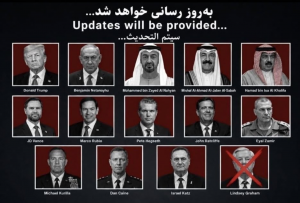 Regime supporters on social media shared a graphic showing several figures allegedly marked for revenge over the February attack on Iran with Graham’s face crossed out with a red X — the only one “eliminated.” The image carried the words “we will continue to update.”
⚠️ Implications:
The reaction by Iranian state television to the death of U.S. Senator Lindsey Graham carries significant geopolitical and diplomatic implications, highlighting the depth of hostility between the Islamic Republic and the United States. While the remarks came from a state-controlled broadcaster, they reflect broader ideological divisions that continue to shape relations between Tehran and Washington.
🇮🇷 1. Iran’s State Media Reflects Official Ideology
- Iranian state television has long served as a platform for promoting the Islamic Republic’s political and ideological positions.
- Publicly celebrating the death of a senior American political figure reinforces the regime’s long-standing narrative that U.S. officials who advocate pressure against Iran are enemies of the Iranian state.
- Such rhetoric also appeals to hardline domestic audiences by portraying resistance to the United States as a source of national pride.
🔍 Implication: The broadcast demonstrates that anti-American messaging remains deeply embedded in Iran’s official media and political establishment, making future diplomatic engagement more difficult.
🇺🇸 2. Further Deterioration of U.S.–Iran Relations
- Senator Lindsey Graham was one of Washington’s most vocal supporters of maximum pressure on Iran, stronger sanctions, and military deterrence.
- Celebrating his death is likely to be viewed by many American lawmakers as evidence that Tehran remains unwilling to moderate its rhetoric toward the United States.
- The incident could harden attitudes in Congress and strengthen support for maintaining or expanding sanctions and security cooperation with U.S. allies.
🛡️ Implication: The remarks may deepen political divisions between Washington and Tehran and reduce the already limited prospects for rebuilding trust.
🌍 3. Regional Stability Remains Fragile
- The comments come shortly after a period of intense military confrontation involving Iran, Israel, and the United States.
- Although regional mediators continue encouraging dialogue, inflammatory rhetoric risks increasing tensions at a time when diplomatic channels remain fragile.
- Public celebrations of an adversary’s death can reinforce perceptions that reconciliation is becoming increasingly difficult.
⚠️ Implication: Escalatory messaging from either side may undermine ongoing efforts to reduce tensions and avoid future conflict.
📺 4. The Role of State-Controlled Media
- Unlike independent news organizations, Iranian state television operates under government oversight and often reflects official political messaging.
- Statements broadcast through state media can therefore carry greater diplomatic significance than comments made by private individuals.
- Such broadcasts may also influence public opinion by reinforcing existing narratives about foreign adversaries.
📢 Implication: Governments around the world will likely continue monitoring state media as an indicator of official policy, public messaging, and the broader political climate within Iran.
⚖️ 5. A Symbol of a Deeper Ideological Conflict
- Lindsey Graham was not only a U.S. senator but also one of the most recognizable advocates of confronting Iran’s nuclear ambitions and regional influence.
- The hostile reaction to his death reflects more than personal animosity—it symbolizes decades of ideological conflict between the Islamic Republic and American policymakers who support a tougher approach toward Tehran.
- Even after the passing of one prominent political figure, the broader strategic disagreements remain unresolved.
🧭 Implication: The incident illustrates that the conflict between the United States and Iran is rooted not only in current events but also in long-standing political, military, and ideological differences that continue to shape the region.
💬 Overall Takeaway:
The reaction of Iranian state television to the death of U.S. Senator Lindsey Graham underscores the enduring ideological divide between the Islamic Republic and the United States. More than a controversial television broadcast, the remarks reflect decades of geopolitical rivalry, mutual distrust, and sharply opposing views on regional security, Iran’s nuclear ambitions, and U.S. foreign policy in the Middle East.
Senator Graham was widely recognized as one of the strongest advocates for a firm U.S. stance against Iran, supporting economic sanctions, military deterrence, and close security cooperation with Israel and America’s regional allies. His passing—and the starkly different reactions it generated in Tehran and the West—illustrates how individual political figures can come to symbolize broader strategic conflicts between nations.
While inflammatory rhetoric may resonate with domestic audiences, it also risks further straining diplomatic relations at a time when regional stability remains fragile. The incident serves as a reminder that the longstanding tensions between Iran and the United States extend far beyond individual leaders, reflecting deep-rooted political, ideological, and security disagreements that continue to influence international affairs and prospects for future diplomacy.