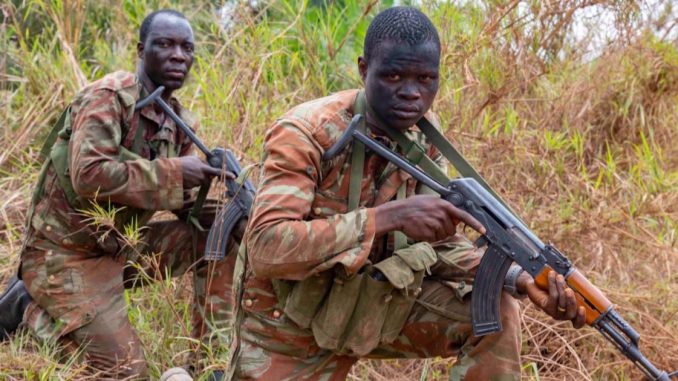
The United States conducts counterterrorism operations and training alongside numerous allied governments in Africa. At the same time, Iran is funding wars and terrorist organizations across the continent. Photo courtesy of the Secretary of the Air Force for International Affairs.
Published May 12, 2026
A growing web of Iranian influence across Africa is drawing renewed scrutiny from Western security analysts and regional allies, as reports point to expanding arms pipelines, proxy training operations, and terrorist financing tied to Tehran’s Islamic Revolutionary Guard Corps (IRGC). According to a recent report is that Iran is increasingly using African conflicts as a staging ground to project power far beyond the Middle East.
The report centers on allegations that Iranian-linked operatives have expanded support networks across North Africa, the Horn of Africa, and the Sahel region. One major flashpoint involves the Polisario Front in Western Sahara, where critics claim Iran and Hezbollah-style operatives have supplied training, weapons, and tactical support to separatist factions.
Security experts warn the strategy mirrors Tehran’s long-standing “proxy warfare” model previously seen in Lebanon, Syria, Iraq, and Yemen. Instead of direct confrontation, Iran allegedly strengthens militant groups capable of destabilizing governments, threatening shipping lanes, and challenging Western allies while maintaining plausible deniability.
Sudan Arms Deal Sparks New Concerns
The controversy intensified following the reported arrest of Shamim Mafi in Los Angeles over an alleged $72.5 million Iranian arms deal connected to Sudan. The case reportedly exposed broader logistical channels stretching across the African continent, raising concerns that African conflicts are becoming deeply intertwined with Iran’s global military strategy.
Analysts say Sudan’s ongoing instability creates fertile ground for outside actors seeking influence. With weak borders, armed militias, and competing foreign interests already flooding the region, Iran’s alleged involvement threatens to deepen existing humanitarian and security crises.
Red Sea and Horn of Africa Becoming Strategic Battlegrounds
The Horn of Africa is emerging as another critical front. Reports tied to regional security monitoring indicate Iran and allied Houthi networks are increasing activity around the Red Sea corridor — one of the world’s most vital trade routes. Some assessments warn that Iranian-linked networks may seek operational footholds near Eritrean and Somali ports to expand maritime influence.
Western governments fear that instability in Northeast Africa could eventually merge with broader Middle East tensions, especially as Iran’s confrontation with the United States and Israel escalates. Experts note that militant groups thrive in areas where governments are weak, borders are porous, and international enforcement is limited.
🔍 Critical View:
Iran’s Proxy Strategy Expanding Beyond the Middle East
Critics say Iran is no longer limiting its influence to places like Syria, Lebanon, or Yemen. Instead, Tehran is now accused of expanding its proxy network into Africa by supporting armed groups, militant factions, and political movements in unstable regions. Security analysts warn this strategy allows Iran to spread influence without sending large numbers of its own troops into direct combat.
Weak Governments Creating Open Doors
Many of the countries mentioned in the report are already dealing with civil wars, corruption, terrorism, or weak border enforcement. Critics argue these fragile governments create ideal conditions for foreign-backed groups to grow stronger. Once weapons and military training enter these conflict zones, it becomes harder for local authorities to restore order.
Sudan Becoming a Dangerous Flashpoint
The reported Iranian-linked arms deal connected to Sudan raised concerns that the country could become another major hub for regional instability. Sudan is already facing internal violence and humanitarian disaster. Critics warn that adding foreign weapons and outside influence could make peace even more difficult and increase civilian suffering.
Red Sea Security Under Threat
Another major concern involves the Red Sea and nearby shipping routes. Analysts warn that if Iranian-backed networks gain stronger positions near strategic ports in Africa, global trade routes could face growing risks. The Red Sea is one of the world’s most important maritime corridors, and any disruption could impact fuel prices, shipping costs, and international commerce.
Terror Networks and Smuggling Routes
Security experts also point to the growing connection between militant groups, arms trafficking, and organized crime across parts of Africa. Critics say foreign-backed militias often rely on smuggling operations to move weapons, drones, and money through weak border regions. This creates long-term instability that can spread far beyond one country.
Concerns Over Weak International Response
Some foreign policy observers argue that Western governments have reacted too slowly to Iran’s growing presence in Africa. They believe global leaders spent too much time focused on negotiations and not enough on stopping the spread of proxy warfare. Critics warn that failing to act early may allow extremist networks to become more deeply rooted across the continent.
Growing Risk to Western Allies
Analysts also fear that Iran’s expanding influence in Africa could eventually threaten U.S. allies and European partners. Increased instability could fuel migration crises, terrorist activity, and attacks on international shipping lanes. Critics say ignoring these warning signs now could create larger global security problems in the future.
👥 On the Ground:
Fear Growing in Conflict Zones
In several parts of Africa already struggling with war and instability, local communities are facing growing uncertainty as reports of foreign-backed weapons and militant activity continue to spread. Civilians living near conflict areas often say they feel trapped between armed groups, weak governments, and outside powers competing for influence.
Sudan’s Crisis Getting Worse
In Sudan, families caught in the middle of ongoing fighting are dealing with food shortages, displacement, and collapsing public services. Aid groups warn that more foreign involvement and additional weapons entering the country could intensify the violence. Many residents fear peace talks will become even harder if outside actors continue fueling armed factions behind the scenes.
Border Regions Becoming Smuggling Corridors
Security officials across parts of North Africa and the Sahel are reportedly struggling to control remote desert border areas used for trafficking weapons, fuel, and illegal goods. Analysts say these routes are increasingly attractive to militant groups because governments lack the manpower and equipment to fully secure them.
Red Sea Communities Watching Rising Tensions
Along the Red Sea corridor, fishermen, dock workers, and shipping operators are closely watching regional tensions. Trade routes in the area are critical for global commerce, and locals worry that increased militant activity or attacks on shipping lanes could damage already fragile local economies tied to ports and maritime trade.
Ordinary Citizens Paying the Price
Across many of these regions, ordinary people are carrying the burden of larger geopolitical conflicts. Families trying to work, farm, or run small businesses often face power outages, rising prices, insecurity, and fears of armed violence spreading closer to their communities.
Growing Frustration With Global Leadership
Some local leaders and regional observers say international powers often pay attention only after conflicts spiral out of control. Critics argue that years of weak enforcement, delayed action, and political hesitation allowed extremist groups and foreign-backed militias to gain stronger footholds in vulnerable regions.
Security Concerns Reaching Beyond Africa
Officials monitoring terrorist activity warn that instability in Africa does not stay isolated for long. Smuggling networks, extremist financing, and armed groups can eventually affect Europe, the Middle East, and Western nations through migration pressure, organized crime, and international security threats.
🎯 The Final Word:
As reports continue surfacing about Iran’s growing influence across Africa, many analysts believe the issue is no longer just a regional problem tied to the Middle East. Critics warn that Africa is increasingly becoming the next major battleground for proxy warfare, where foreign governments support armed groups from behind the scenes while avoiding direct military confrontation. From Sudan and the Sahel to the Red Sea corridor, the fear is that unstable regions are being turned into strategic footholds for larger geopolitical struggles.
Security experts say the danger goes beyond local conflicts. Weak borders, struggling governments, and ongoing humanitarian crises create conditions where militant groups, smuggling operations, and extremist networks can grow rapidly. Once these systems become deeply rooted, they are far more difficult to dismantle. Analysts point to past examples in the Middle East where outside interference helped fuel years of violence, displacement, terrorism, and economic collapse.
Another major concern involves global trade and international security. The Red Sea remains one of the world’s most important shipping lanes, and any expansion of militant activity near key maritime routes could have worldwide consequences. Rising instability could impact fuel prices, shipping costs, food supply chains, and global markets already dealing with economic pressure.
Critics also argue that Western governments spent too much time reacting to crises instead of preventing them. Many believe international leaders underestimated how quickly hostile networks could spread into vulnerable African regions. They warn that waiting until conflicts fully explode often leads to higher military costs, larger refugee crises, and greater threats to national security later on.
On the ground, ordinary civilians continue facing the harshest consequences. Families already struggling with poverty, war, and political instability now risk becoming trapped in conflicts fueled by foreign weapons, proxy militias, and extremist influence. Aid organizations warn that worsening violence could deepen humanitarian disasters in countries already pushed to the brink.
As tensions continue rising, the broader question facing world leaders is whether they will take stronger action before these networks become even more entrenched. Analysts warn that ignoring the warning signs today may allow a much larger international security crisis to emerge tomorrow — one that could stretch far beyond Africa and affect global stability for years to come.