
Published March 23, 2026
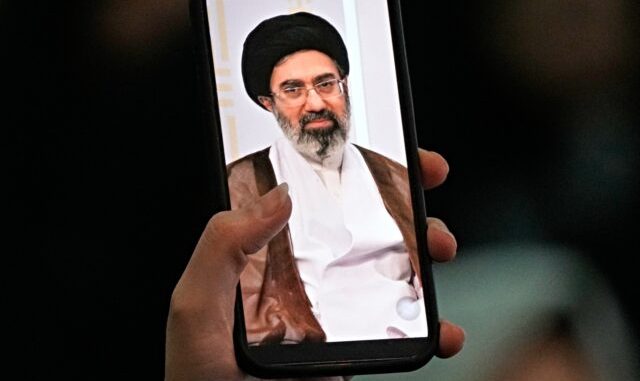
Speculation is surging over the condition and actual authority of Iran’s newly appointed supreme leader, Ayatollah Mojtaba Khamenei, following the assassination of his father, longtime leader Ayatollah Ali Khamenei, earlier this year during the ongoing war with the U.S. and Israel. The lack of public appearances, limited communication, and conflicting reports have created uncertainty about whether the man now nominally in charge is alive, injured, or even truly in control of the regime.
A Silent Leader in a Time of War
Since being named supreme leader in early March by Iran’s clerical Assembly of Experts — a process critics say was hurried and pressured by the Islamic Revolutionary Guard Corps (IRGC) — Mojtaba Khamenei has not appeared publicly, spoken on camera, or addressed the nation directly by voice. Instead, written messages attributed to him have been read by state media, including calls to continue military resistance and warnings about the Strait of Hormuz.
This silence stands in stark contrast to the longstanding norm of Iranian supreme leaders delivering speeches and directly engaging the public — a tradition embodied by his father before his death from an airstrike on February 28.
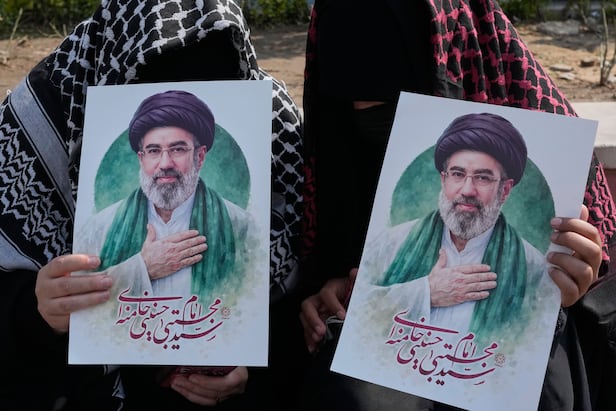
On the 14th, two women hold a photo of Supreme Leader Mojtaba Khamenei in Iran’s capital Tehran. Since his election, Mojtaba, who has remained out of the public eye, has been the subject of satire comparing him to a cardboard cutout, with ongoing speculations about his whereabouts. /AP-Yonhap
Conflicting Reports About Health and Location
Anonymous U.S. and Israeli intelligence sources cited in some reports describe Mojtaba as “wounded, isolated, and not responding to messages being relayed to him,” raising doubt not only about his health but also his command capacity. These claims allege that he may have been injured in the same strike that killed his father and top officials, triggering questions about whether he is able to lead or even alive.
At the same time, officials from Tehran have repeatedly denied that the new supreme leader is incapacitated, insisting he is alive and fulfilling his role, though offering no direct public appearances to substantiate those statements.
Leadership Vacuum and Power Shifts
The lack of visible, verifiable leadership has intensified speculation that Iran’s powerful IRGC and other security institutions are effectively running the country, filling a power vacuum that emerged after the deaths of multiple senior figures, including former security chief Ali Larijani.
Analysts suggest that this perceived absence of centralized authority — combined with the opaque process that installed Mojtaba — threatens cohesion within the Iranian regime and could embolden hardline elements or internal dissent.
International Implications and Continued Conflict
The uncertainty surrounding Iran’s leadership comes amid continued conflict. Iran’s regime has used its rhetoric and military posture — including threats to keep the Strait of Hormuz closed and to retaliate against the U.S. and Israel — as leverage, even as regional and international efforts for de‑escalation intensify.
Meanwhile, global powers and some Middle Eastern nations are watching closely, concerned that Tehran’s internal instability could have wider repercussions for global oil markets, security cooperation, and diplomatic negotiations.
🧩 The Core Analysis: Iran’s Supreme Leader Uncertainty Amid Crisis
Iran is facing an unprecedented leadership crisis following the death of longtime supreme leader Ayatollah Ali Khamenei and the opaque rise of his son, Ayatollah Mojtaba Khamenei, as the new head of state. Reports of his isolation, lack of public appearances, and unresponsiveness to messages have raised serious concerns about Iran’s internal stability, the chain of command, and its ongoing military posture. This situation carries major implications for regional security and global interests.
Key Points
- Lack of Visible Leadership – Mojtaba Khamenei has not made public appearances or delivered speeches, relying instead on written statements read by state media, leaving citizens and international observers uncertain about his authority.
- Possible Health Issues – Intelligence sources suggest he may be wounded or incapacitated following the same strike that killed his father and top officials, casting doubt on whether he can exercise effective control.
- Power Vacuum – The absence of a clearly authoritative figure empowers the IRGC and other hardline factions, potentially shifting decision-making from a single leader to a militarized council.
- Opaque Succession Process – The hasty appointment of Mojtaba raises questions about legitimacy and the ability of the clerical establishment to maintain stability amid war.
🔗 The Synthesis: Implications for Iran and the World
Iran’s internal turmoil is not just a domestic issue; it has far-reaching consequences for regional security, energy markets, and U.S. strategic interests. Understanding the broader implications helps contextualize the risks posed by an invisible leader during wartime.
Key Points
- Internal Instability – A de facto absence of leadership threatens regime cohesion, heightens the risk of factional conflict, and undermines public confidence.
- Military and Strategic Risks – With the IRGC potentially acting as the real power broker, decisions on nuclear activity, missile launches, and proxy wars could become more aggressive or unpredictable.
- Global Repercussions – Uncertainty in Tehran affects oil markets, international negotiations, and the balance of power in the Middle East, particularly regarding Israel, the U.S., and Gulf allies.
- Public Perception and Credibility – Iran’s credibility on the international stage weakens when its supreme leader’s status is ambiguous, potentially emboldening adversaries and complicating diplomatic efforts.
🏁 The Final Word:
Iran’s leadership uncertainty highlights the dangers of a system that depends on a single, centralized figure. The reported isolation of Ayatollah Mojtaba Khamenei and the silent role of the new supreme leader empower military hardliners and risk further instability, both internally and in the region. Global observers and regional allies must closely monitor developments, as Tehran’s internal opacity could quickly translate into unpredictable and aggressive foreign policy moves, with consequences for both security and energy markets worldwide.
SOURCES: THE CHOSUN DAILY – Iran’s Supreme Leader Mocked as ‘Cardboard Ayatollah’
BREITBART – Iran’s Cardboard Ayatollah ‘Isolated and Not Responding to Messages’




