Published July 2, 2026
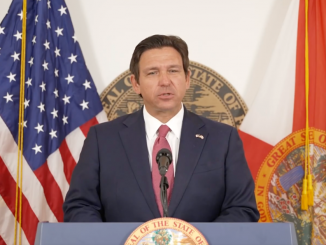
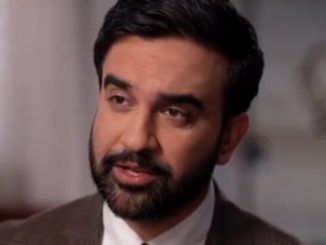
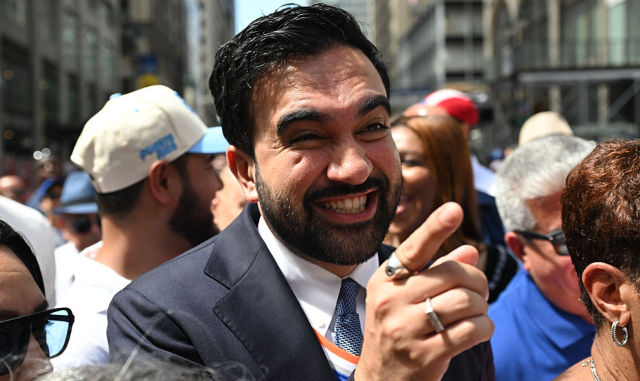
NEW YORK — New York City Mayor Zohran Mamdani is facing criticism after urging residents and businesses to set their air conditioners to 78 degrees Fahrenheit during a historic heat wave, saying the measure would help reduce strain on the city’s electrical grid while keeping New Yorkers safe.
The recommendation came as temperatures were forecast to approach 100 degrees, with heat index values reaching as high as 112 degrees, prompting City Hall to declare a heat emergency and roll out expanded cooling measures across the five boroughs.
In a public advisory, Mamdani asked New Yorkers to conserve electricity by setting air conditioners to 78 degrees, turning off unused lights and electronics, and delaying the use of major appliances until off-peak hours. The city also said municipal buildings would follow the same energy-saving practices.
Alongside the conservation appeal, the administration announced additional cooling centers, extended public pool hours, mobile cooling vans, wellness checks for vulnerable residents, and expanded outreach to people experiencing homelessness. Officials stressed that the measures were intended to prevent heat-related illnesses while reducing the risk of power outages during peak electricity demand.
The thermostat recommendation quickly ignited political debate online. Conservative commentators and Republican critics argued that residents should not be told how to cool their homes during dangerous temperatures, with some portraying the guidance as unnecessary government intrusion. Social media users also questioned whether asking households to conserve electricity while iconic commercial districts remain brightly illuminated was equitable.
Supporters of the mayor countered that the recommendation aligns with longstanding energy-efficiency guidance. The U.S. Department of Energy has previously advised setting thermostats between 75 and 78 degrees during summer months to conserve energy, while former New York City Mayor Eric Adams issued similar recommendations during a 2023 heat wave.
City officials emphasized that air conditioning remains the best protection against extreme heat and urged residents without home cooling to seek refuge at public cooling centers. They also encouraged New Yorkers to check on elderly neighbors, stay hydrated, and avoid prolonged outdoor activity during the hottest parts of the day.
The controversy comes as New York grapples with increasingly frequent and intense heat waves, forcing city leaders to balance public health concerns, electricity demand, and emergency preparedness while facing heightened political scrutiny.
 Public / Political Reactions:
🏛️ Mamdani Administration
Mayor Zohran Mamdani defended the recommendation as a practical measure to help protect New York’s power grid during the extreme heat.
- City Hall urged residents to set thermostats to 78°F, reduce electricity consumption, and delay the use of high-energy appliances during peak hours.
- Officials emphasized that the guidance was voluntary and accompanied by expanded cooling centers, public pool hours, and outreach to vulnerable populations.
- The administration said conserving electricity would help reduce the risk of power outages during periods of exceptionally high demand.
➡️ Position: The mayor’s office maintains that energy conservation is necessary to protect public safety while ensuring the reliability of the electrical grid.
🇺🇸 Republican Leaders and Conservative Commentators
Conservative politicians and media personalities criticized Mamdani’s remarks.
- Critics argued that residents should not be told how to cool their homes during a dangerous heat wave.
- Some accused the administration of promoting unnecessary government interference in personal decisions.
- Others questioned whether ordinary residents were being asked to conserve energy while commercial buildings and public facilities continued consuming significant electricity.
➡️ Position: Conservatives argue that personal comfort and safety should take precedence over government conservation requests during extreme weather.
🌎 Energy and Environmental Advocates
Energy experts and environmental advocates generally supported the recommendation.
- Many noted that setting thermostats around 78°F is consistent with long-standing energy efficiency guidance.
- Supporters said reducing electricity demand during peak periods helps prevent blackouts and eases strain on the power grid.
- Climate advocates stressed that conservation measures become increasingly important as heat waves become more frequent and intense.
➡️ Position: Supporters view the recommendation as a practical and widely accepted strategy for managing electricity demand during extreme heat.
👥 Public Response
The recommendation generated mixed reactions among New Yorkers.
- Some residents supported the request, saying small adjustments could help prevent widespread power outages.
- Others expressed frustration, arguing that maintaining cooler indoor temperatures is essential for comfort and health during extreme heat.
- The debate spread across social media, where users remained divided over whether the request was reasonable or excessive.
➡️ Position: Public opinion remains divided between supporting energy conservation and prioritizing individual comfort during dangerous temperatures.
🏛️ Public Health Officials
Health experts emphasized that preventing heat-related illness should remain the highest priority.
- Officials encouraged residents to stay hydrated, avoid prolonged outdoor activity, and use air conditioning whenever necessary.
- They reminded vulnerable groups—including older adults, children, and individuals with medical conditions—not to sacrifice their health solely to conserve energy.
- Authorities urged those without adequate cooling to seek relief at designated cooling centers.
➡️ Position: Public health officials support conservation efforts but stress that residents should not compromise their health during extreme heat.
🌆 Broader Political Debate
The controversy has fueled broader discussions about climate resilience and urban infrastructure.
- Supporters argue the episode highlights the need for stronger investments in energy infrastructure and climate adaptation.
- Critics contend that governments should prioritize expanding power capacity rather than asking residents to reduce electricity use.
- The debate is expected to continue as cities across the United States confront increasingly severe summer heat waves.
➡️ Position: The controversy has broadened into a debate over climate policy, energy reliability, and the government’s role in responding to extreme weather.
 Resulting Effects:
Mayor Zohran Mamdani’s recommendation that New Yorkers set their thermostats to 78°F during the heat wave has sparked political debate while drawing attention to the challenges of balancing public safety, energy reliability, and climate resilience. The controversy is expected to influence discussions on emergency preparedness and energy policy in New York City.
1. Increased Public Debate Over Energy Conservation
The thermostat recommendation quickly became a divisive public issue.
🏠 Many residents questioned whether keeping homes at 78°F was comfortable during extreme heat.
📢 Supporters argued that voluntary conservation could help prevent widespread power outages.
💬 The issue generated extensive discussion across social media and political circles.
➡️ Result: Energy conservation guidance → heightened public debate over government recommendations during emergencies.
2. Greater Focus on Power Grid Reliability
The advisory highlighted concerns about electricity demand during periods of extreme heat.
⚡ City officials encouraged residents to reduce electricity use during peak hours.
🔌 Energy conservation measures were intended to lessen pressure on the electrical grid.
🏗️ The controversy renewed discussions about strengthening New York City’s energy infrastructure.
➡️ Result: Heat emergency → increased attention on grid reliability and long-term energy planning.
3. Political Backlash Against the Administration
The recommendation intensified criticism from political opponents.
🏛️ Conservative leaders argued that residents should not be asked to limit air conditioning during dangerous temperatures.
📺 Commentators criticized the administration’s handling of the heat emergency.
🗳️ The issue became part of the broader political debate surrounding Mayor Mamdani’s leadership.
➡️ Result: Public advisory → increased political scrutiny of the mayor’s policies.
4. Expanded Public Awareness of Heat Safety
The heat emergency prompted renewed attention to public health precautions. 🏥 Officials encouraged residents to use cooling centers if home cooling was inadequate. 💧 Public health agencies emphasized hydration and avoiding prolonged outdoor exposure. 👴 Outreach efforts focused on protecting seniors, children, and medically vulnerable individuals.
➡️ Result: Extreme temperatures → greater awareness of heat-related health risks and safety measures.
5. Renewed Discussion on Climate Resilience
The controversy reinforced concerns about the growing impact of extreme weather.
🌡️ Increasingly frequent heat waves are placing greater pressure on urban infrastructure.
🌱 Policymakers and environmental advocates called for investments in climate adaptation and energy efficiency.
🏙️ The event highlighted the need to improve city preparedness for future extreme weather events.
➡️ Result: Heat wave → stronger calls for long-term climate resilience and infrastructure improvements.
6. Continued Debate Over Government’s Role During Emergencies
The incident is likely to shape future discussions about emergency guidance.
⚖️ Supporters view voluntary conservation requests as responsible crisis management.
🗣️ Critics argue governments should prioritize expanding energy capacity over asking residents to reduce electricity use.
📖 The debate may influence how public officials communicate during future weather emergencies.
➡️ Result: Public controversy → ongoing discussion about balancing personal freedom, public safety, and energy conservation during extreme weather.
 Future Outlook:
Mayor Zohran Mamdani’s thermostat recommendation is expected to remain part of a broader conversation about energy conservation, climate resilience, and emergency management in New York City. As extreme heat events become more frequent, officials will likely continue balancing public health, electricity demand, and infrastructure reliability.
1. Heat Waves Are Expected to Become More Frequent
Climate experts anticipate more frequent and intense periods of extreme heat.
🌡️ New York City is likely to experience longer and more severe summer heat waves.
🏙️ Higher temperatures may place increasing pressure on the city’s electrical grid.
🚨 Officials are expected to issue additional heat advisories during future extreme weather events.
➡️ Outlook: Rising temperatures → continued need for heat emergency planning and public safety measures.
2. Energy Conservation Campaigns Will Likely Continue
City leaders are expected to promote voluntary electricity conservation during periods of peak demand.
⚡ Residents may again be encouraged to adjust thermostat settings and reduce unnecessary electricity use.
🔌 Utilities are likely to expand public awareness campaigns on conserving energy during heat emergencies.
🏛️ Municipal buildings may continue implementing energy-saving practices.
➡️ Outlook: Growing electricity demand → continued emphasis on voluntary energy conservation.
3. Investments in Energy Infrastructure May Increase
The controversy has renewed attention on the city’s power system.
🏗️ Policymakers may push for upgrades to strengthen New York’s electrical grid.
🔋 Additional investments in renewable energy, battery storage, and grid modernization could be prioritized.
⚙️ Utility providers may expand efforts to improve system reliability during peak demand.
➡️ Outlook: Greater energy demand → increased focus on modernizing critical infrastructure.
4. Public Health Preparedness Will Remain a Priority
Officials are expected to continue expanding programs that protect vulnerable residents during extreme heat.
🏥 Cooling centers and emergency response services are likely to remain central to the city’s heat response strategy.
👴 Outreach to seniors, children, and medically vulnerable populations may be strengthened.
💧 Public education campaigns on heat safety are expected to continue.
➡️ Outlook: Increasing heat risks → stronger public health preparedness and emergency response.
5. Political Debate Over Climate and Energy Policy Will Persist
The thermostat recommendation is unlikely to end disagreements over the government’s role during emergencies.
📢 Supporters will likely continue advocating for conservation and climate resilience measures.
🏛️ Critics are expected to argue for expanding energy production and infrastructure instead of encouraging reduced consumption.
🗳️ Energy and climate policy may remain important issues in future local and state elections.
➡️ Outlook: Continued policy differences → ongoing political debate over climate, energy, and government leadership.
6. New York’s Climate Resilience Strategy May Evolve
The city is expected to strengthen long-term planning for extreme weather.
🌆 Officials may expand investments in resilient infrastructure and emergency preparedness.
🌳 Programs promoting urban cooling, tree planting, and energy-efficient buildings could receive greater attention.
🤝 Collaboration among city agencies, utilities, and community organizations is likely to increase.
➡️ Outlook: More frequent extreme weather → stronger focus on building a resilient and sustainable New York City.
 Bottom Line:
Mayor Zohran Mamdani’s appeal for New Yorkers to set their thermostats to 78°F during an extreme heat wave has evolved into a broader political and policy debate over energy conservation, public health, and government leadership. While city officials describe the recommendation as a voluntary effort to reduce strain on the electrical grid and prevent power outages, critics argue that residents should not be asked to compromise comfort during dangerous temperatures. As heat waves become more frequent and severe, the controversy underscores the growing challenge facing cities in balancing climate resilience, infrastructure reliability, and public safety while navigating an increasingly polarized political environment.
SOURCES: BREITBART NEWS – Nolte: Zohran Mamdani Tells New Yorkers to Set Thermostat at 78 During Heat Wave
THE GATEWAY PUNDIT – Mamdani Tells New Yorkers to Set Thermostats to 78 Degrees to Alleviate Stress on the Grid Amid Life-Threatening Heat Wave (VIDEO)
THE NEW YORK POST – Mamdani roasted for telling New Yorkers to set their ACs to 78 degrees as blistering heat wave bakes Big Apple