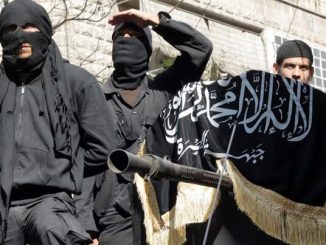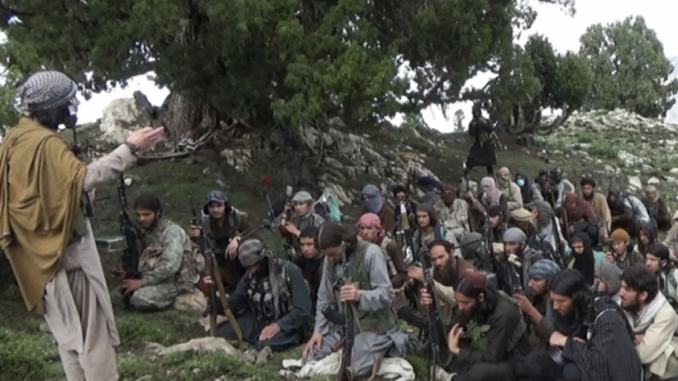
ISIS-K has intensified recruitment efforts, targeting disaffected Muslims in the United States and other Western countries with a multilingual propaganda campaign across social media and the dark web. Photo courtesy of Kurdistan24.
Published April 10, 2026
In recent discussions and reports, there have been claims that Christians in some parts of the world are being forced to pay something called “jizya” or “protection money.” This can sound confusing because the word comes from history, but the situations being described today are usually about modern conflict, not ancient systems.
In some unstable or war-torn areas, armed groups may demand money from civilians in exchange for “protection,” or simply to allow them to continue living in their homes safely.
1. What “Jizya” Originally Meant vs. Modern Use
Historically, jizya was a tax system used in some early Islamic governments. It applied to non-Muslims living under those governments and was part of formal state law at the time.
In modern conflict reporting, however, the word is sometimes used differently. In some unstable regions, armed groups may use the term “jizya” to describe money they force civilians to pay.
So today, the key difference is:
- Historically: a regulated tax under government law
- Modern conflict zones: a label sometimes used for forced payments under threat
2. What Is Happening on the Ground
In areas where governments are weak or absent, armed groups sometimes take control of towns or regions.
In these situations, civilians may experience:
- Armed checkpoints instead of police
- Rules enforced through fear rather than law
- Demands for money in exchange for safety
Minority groups, including Christians in some reports, may be told to pay money to stay in their homes or avoid harm.
Even though it may be called a “tax” or “protection fee,” many affected people describe it as something they are forced to pay to survive.
3. Why People Pay Even When They Don’t Want To
A common question is: Why would anyone pay this?
The answer is usually simple—survival.
People often have only a few choices:
- Pay and stay temporarily safe
- Refuse and risk violence or retaliation
- Leave everything behind and become displaced
Most people who pay are not agreeing to the system. They are trying to protect themselves and their families in a dangerous situation where normal law enforcement does not exist.
4. Is This the Same as Government Taxation?
No.
In stable countries, taxes are:
- Collected by recognized governments
- Based on law
- Used for public services
In conflict zones, these payments are often:
- Collected by armed groups
- Enforced through intimidation
- Not part of any legal system
This is why many observers describe them as coercion or extortion, not real taxation.
5. Why This Happens in the First Place
These situations usually happen when:
- Governments lose control of territory
- Civil war or conflict breaks down normal order
- Armed groups fill the power vacuum
When this happens, civilians become vulnerable because there is no strong protection from law enforcement or stable institutions.
6. The Human Impact
For people living under these conditions, life becomes very difficult. Common effects include:
- Fear in daily life
- Loss of homes or jobs
- Forced migration or becoming refugees
- Family separation
- Long-term instability
Even after escaping danger, rebuilding life can take many years.
7. Why the Terminology Matters
Words like “jizya,” “tax,” or “protection fee” can sound formal, but they may describe very different realities.
That is why it is important to ask:
- Is this enforced by a legitimate government?
- Or by armed groups using force?
- Can people refuse safely?
These questions help separate lawful systems from situations involving coercion.
8. Are There Countries Today That Impose This on Christians?
No modern, officially recognized government imposes jizya as a religious tax on Christians or any other minority group.
In Muslim-majority countries such as Egypt, Saudi Arabia, Jordan, Indonesia, and Pakistan, taxation is based on civil law. Christians generally:
- Pay the same taxes as other citizens
- Are not required to pay religious-based fees
However, in past conflict zones like Iraq and Syria during ISIS control, reports showed that Christians were ordered to:
- Pay money labeled as “jizya,” or
- Leave the area or face harm
In those cases, human rights groups described it as forced payment under threat, not legal taxation.
The key difference is:
- Governments = lawful taxation systems
- Armed groups = coercion in unstable conflict zones
🎯 The Final Word:
At the heart of these reports is a simple but serious problem: in some conflict zones, there are no strong or stable governments in full control. When that happens, armed groups can take over certain areas and start acting like authorities—even though they are not legally recognized governments.
In those situations, minorities such as Christians may be told to pay money for “protection.” In plain terms, this usually means: pay us, or you may face harm, harassment, or loss of property. This is why it is often described by observers not as a legal tax system, but as coercion under threat.
The reason this happens is not because of normal religious teaching or lawful governance, but because power has broken down on the ground. Armed groups control territory, checkpoints, or neighborhoods, and they use fear to maintain control and generate funding. In these environments, people often pay simply to survive, not because they agree with the system or accept its legitimacy.
When reports mention Christians paying “protection money,” it is important to understand that the payment is usually made under pressure. The individuals involved are often left with very few choices: leave their homes, resist and risk violence, or pay in order to stay safe temporarily. This is why human rights groups treat these situations as forms of extortion rather than lawful taxation.
To put it simply, the issue is not about religion being practiced in a normal society, but about what happens when law and order collapse. In those gaps, armed groups can impose rules by force, and civilians—regardless of faith—are the ones who suffer the consequences.
The broader concern is stability. When governments cannot protect their citizens equally, vulnerable communities become targets, and fear replaces normal civic life. That is why international attention usually focuses on restoring security, rebuilding lawful institutions, and ensuring that no group can impose demands through intimidation or violence.