Published March 21, 2025
A Russian drone attack on the Ukrainian city of Zaporizhzhia killed at least two civilians and wounded several others on Saturday, intensifying pressure on beleaguered peace negotiations even as Kyiv seeks renewed talks to end the war with Moscow.
Deadly Strike Ahead of Diplomacy
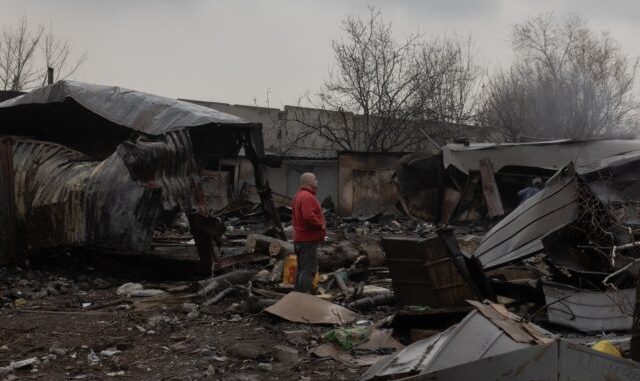
Regional head Ivan Fedorov confirmed that a Russian drone struck a residential area in Zaporizhzhia, killing a man and a woman, and injuring six people — including two children — when it hit a private home early Saturday morning.
The attack also came alongside strikes on energy infrastructure in northern Ukraine’s Chernihiv region, leaving much of the area without power.
Ukraine Seeks Revival of Peace Talks
The strikes occurred as Ukraine sought to restart suspended peace negotiations with Russia, with a Ukrainian delegation reported to be en route to the United States for talks in Miami — though the White House did not immediately confirm the meeting.
President Volodymyr Zelenskyy has said the primary goal is to ensure trilateral negotiations between Kyiv, Moscow, and the U.S. can resume, and to secure continued support for Ukraine’s defense, notably through weapons procurement by NATO allies.
Meanwhile, the Kremlin signaled that a new round of U.S.‑mediated discussions may take place soon, though concrete breakthroughs have remained elusive as Russian forces continue their military campaign.
Conflict Continues Amid Diplomacy
The Russian strikes in Zaporizhzhia — including lethal drone attacks and broader hits to civilian infrastructure — illustrate the enduring intensity of the conflict even as diplomatic channels are probed.
Since Russia’s full‑scale invasion in 2022, drone and missile attacks targeting Ukrainian residential areas, power grids, and other infrastructure have been a persistent feature of the war, causing significant civilian casualties and widespread outages.
Civilian Toll and Broader Impact
Government officials in Ukraine have repeatedly decried attacks on residential and non‑military infrastructure, noting that such strikes deepen humanitarian suffering and complicate peace efforts. Observers say these attacks can undermine local confidence and heighten tensions just when diplomatic progress is most needed.
Power outages, particularly in northern regions like Chernihiv, have strained daily life and services, fueling calls from Ukrainian leaders for stronger air defense capabilities and continued support from Western allies.
 Public / Political Reactions
The Russian drone strike on Zaporizhzhia has triggered strong responses both in Ukraine and internationally, reflecting the continuing tension between military action and ongoing diplomatic efforts.
Ukraine
President Volodymyr Zelenskyy condemned the attack as a direct assault on civilians, emphasizing that such strikes only strengthen Kyiv’s resolve to defend its people while pursuing diplomatic channels. Ukrainian officials called for accelerated delivery of air defense systems and increased Western support to prevent future civilian casualties. Public sentiment in Ukraine has grown increasingly frustrated and fearful, with citizens highlighting the human cost of the conflict even as peace talks are proposed.
Russia
The Kremlin has not publicly claimed responsibility for targeting residential areas, framing drone attacks as military operations against Ukrainian infrastructure. Russian state media emphasizes that strikes target strategic facilities rather than civilians, though international observers continue to raise concerns about civilian impact.
United States
U.S. officials reaffirmed their support for Ukraine’s sovereignty, condemning attacks on civilians while pushing for renewed negotiations. Lawmakers expressed a dual focus: supporting Ukraine’s defense capabilities while encouraging diplomatic avenues to end the war.
Europe
European leaders, including those from France and Germany, denounced the attack and called for restraint from both sides. Statements highlighted the urgency of reviving peace talks, emphasizing that escalation undermines any potential progress at the negotiation table.
International Observers
Global analysts and humanitarian groups have expressed alarm over civilian casualties, noting that repeated strikes on residential areas hinder trust-building in diplomatic efforts. The attack is seen as a test of whether military escalation will dominate over dialogue or if diplomacy can regain traction despite continued hostilities.
 Resulting Effects: Military Pressure and Strategic Consequences
The drone strike on Zaporizhzhia underscores the ongoing intensity of the Russia‑Ukraine conflict and its broader implications for regional security and international diplomacy.
1. Heightened Military Tensions
The attack reinforces that hostilities continue despite diplomatic efforts. Increased strikes against civilian and infrastructure targets demonstrate that adversaries remain willing to escalate, requiring Ukraine and its allies to maintain high levels of readiness and strategic vigilance.
2. Civilian Impact and Humanitarian Strain
Casualties and infrastructure damage in Zaporizhzhia and surrounding regions deepen humanitarian concerns. Disruptions to power, water, and transportation complicate daily life, forcing local authorities and international agencies to respond quickly to prevent further suffering.
3. Pressure on Peace Negotiations
Such attacks create additional challenges for diplomatic efforts. While Ukraine seeks to revive peace talks, continued military pressure may harden positions on both sides, making compromise more difficult without credible deterrence and a clear security framework.
4. Strengthened Defense Imperatives
The strike highlights the urgent need for robust air defense and early-warning systems. It underscores that effective military preparedness is essential not only for countering attacks but also for supporting ongoing diplomatic initiatives from a position of strength.
5. Signal to International Allies and Adversaries
By demonstrating the continuation of offensive capabilities, the strike serves as a warning that escalation carries consequences. It reinforces the importance of coordinated international support to uphold Ukraine’s sovereignty and stability in the region.
 Future Outlook: Strategic Preparedness and Diplomatic Balance
The recent drone strike on Zaporizhzhia highlights both the volatility of the conflict and the critical need for coordinated strategy moving forward. Several key trends are likely to shape the coming weeks and months:
1. Sustained Military Vigilance
Ukraine will need to maintain heightened readiness to defend civilians and critical infrastructure. Continued investment in air defense, intelligence, and early-warning systems will be essential to deter further attacks and limit civilian casualties.
2. Pressure on Adversaries
Demonstrating capability and resolve can reinforce deterrence, signaling to Russia that escalation carries tangible consequences. Maintaining this posture increases the likelihood that adversaries may consider diplomatic avenues alongside military options.
3. Support from International Partners
Ongoing collaboration with NATO allies and other partners will be crucial. Military assistance, intelligence sharing, and logistical support will strengthen Ukraine’s defense while providing a framework for coordinated responses to future threats.
4. Diplomatic Opportunities from Strength
Maintaining a position of credible strength enhances Ukraine’s leverage in peace negotiations. A balanced approach — combining defense readiness with diplomatic outreach — creates the best chance of achieving lasting agreements that respect sovereignty and security concerns.
5. Regional Stability Considerations
Continued conflict could impact energy supplies, trade, and broader regional security. Strategic planning to mitigate these risks, while ensuring readiness to respond to escalation, will be central to safeguarding both Ukraine and international interests.
 Bottom Line: Strength, Readiness, and Path to Stability
The drone strike on Zaporizhzhia underscores that security and stability in Ukraine and the broader region depend on a combination of preparedness, credible deterrence, and strategic coordination. While the loss of civilian life is tragic, maintaining military readiness ensures that further escalation can be managed and that adversaries understand the costs of continued aggression.
At the same time, a position of strength supports diplomatic efforts. By combining robust defense measures with engagement in peace talks, Ukraine and its international partners are best positioned to protect civilians, deter future attacks, and work toward a sustainable resolution.
Ultimately, the ability to act decisively while pursuing negotiated solutions offers the clearest path to long-term regional stability and the protection of national sovereignty.