Published March 21, 2025
Elon Musk, the tech entrepreneur and owner of the social platform X, publicly offered to personally cover the salaries of Transportation Security Administration (TSA) personnel affected by the ongoing partial U.S. government shutdown — a move that has ignited debate over the legality and logistics of private funding for federal workers.
Offer Comes Amid Prolonged Shutdown Pain
The partial funding impasse has stretched past a month, leaving the Department of Homeland Security (DHS) — which includes the TSA — without appropriated funds. As a result, TSA agents, classified as essential employees, have continued to work without receiving full paychecks.
Musk posted on his platform X that he would like to pay TSA salaries during the “funding impasse that is negatively affecting the lives of so many Americans at airports throughout the country.” His comment came as many TSA employees reported working for weeks without pay amid rising financial strain.
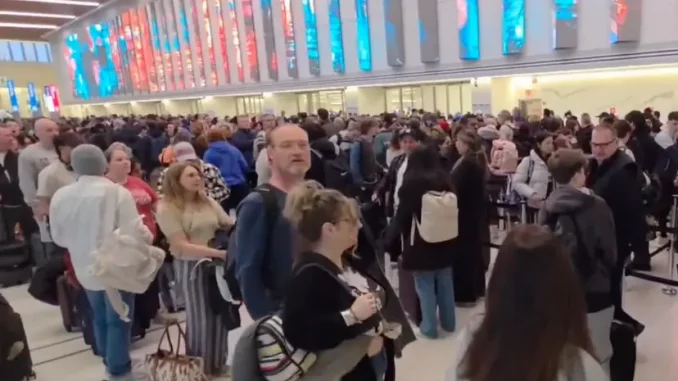
The shutdown has caused widespread staffing shortages, with some airports reporting absenteeism rates of up to 20%, leading to extended security lines and delays for travelers.
Legal and Practical Questions
While the gesture garnered attention, legal experts say private citizens cannot legally fund federal salaries. Only the U.S. government has the authority to disburse pay for federal employees, and agencies are barred from accepting private funds to cover payroll.
Even so, the offer has refocused public attention on the growing urgency for lawmakers to resolve the funding stalemate. With approximately 50,000 TSA agents nationwide, their ongoing work is critical to airport security operations, and mounting staffing gaps pose operational risks.
Growing Pressure on Lawmakers
The controversy has fueled pressure on Congress to reach a compromise on DHS funding. Lawmakers remain divided over immigration policy provisions tied to budget negotiations, which has stalled funding for the agency that oversees TSA.
Critics argue that working without pay is unfair to agents tasked with protecting travelers and national security. Some industry leaders have voiced frustration over the continuing impact on travel disruptions and public safety — pointing to long lines and delayed flights linked to staffing shortages.
Supporters of resolving the funding impasse insist that immediate congressional action to authorize pay is the only legally viable solution to ensure TSA personnel receive compensation for their service during a shutdown.
 Public / Political Reactions:
Elon Musk’s offer to pay TSA agents’ salaries has generated a mix of praise, skepticism, and political debate across the U.S.
Public Reaction
Many citizens expressed support on social media, praising Musk for highlighting the struggles of federal workers forced to operate without pay. Commuters and travelers shared concerns about long airport lines, noting that the funding impasse directly affects public safety and convenience.
However, some questioned the practicality and legality of private individuals covering federal salaries, warning that it could set a dangerous precedent if relied upon as a substitute for congressional action.
Political Reaction
Lawmakers were quick to respond, with members of Congress emphasizing that federal law prohibits private funding of federal salaries. Democratic and Republican leaders alike stressed that resolving the DHS funding impasse is a legislative responsibility and that any solution must come through official channels.
Some political commentators interpreted Musk’s offer as a symbolic critique of congressional gridlock, underscoring frustration with delayed budget negotiations that leave essential employees unpaid. Others warned that relying on outside intervention distracts from the urgent need for a legally binding resolution to the shutdown.
Industry Reaction
Airline and airport executives voiced concern about the continued operational impact of unpaid TSA agents. Extended security lines and staffing shortages have disrupted travel nationwide, increasing pressure on lawmakers to act. Some called Musk’s offer a “publicity gesture” but acknowledged it has drawn attention to the real human and logistical costs of the shutdown.
 Resulting Effects: Operational Strain and National Security Implications
The ongoing funding impasse affecting the Transportation Security Administration (TSA) has several immediate and long-term consequences for airport operations, national security, and public confidence.
1. Operational Disruptions
With TSA agents working without pay, absenteeism and low morale are increasing, leading to longer security lines, delays, and disruptions to air travel. Airports nationwide are experiencing operational strain, as staffing shortages reduce the efficiency of passenger screening and baggage checks.
2. Civilian and Traveler Impact
Passengers face increased wait times and uncertainty, which can affect business, tourism, and public perception of government efficiency. Extended delays also raise security risks, as understaffed checkpoints may struggle to maintain rigorous screening standards.
3. Pressure on Federal Employees
Essential personnel working without compensation face financial and personal stress, which can affect performance and decision-making under high-pressure conditions. Maintaining workforce readiness is critical for protecting travelers and ensuring national security.
4. Highlighting Systemic Vulnerabilities
The shutdown has exposed vulnerabilities in relying on a government workforce for continuous operations without guaranteed funding. It underscores the need for contingency planning and robust operational frameworks to ensure critical services are uninterrupted.
5. Emphasis on Legislative Responsibility
While Musk’s offer brought attention to the problem, only congressional action can legally ensure federal salaries are paid. The situation demonstrates the importance of timely budget approvals to prevent disruptions to essential security operations.
 Future Outlook: Preparedness, Stability, and Legislative Resolution
The ongoing funding impasse affecting TSA personnel presents both immediate challenges and strategic lessons for the future. Several key trends are likely to shape the next phase:
1. Continued Operational Strain
If the budget stalemate persists, TSA agents will face ongoing financial and operational pressure. Maintaining staffing levels and workforce morale will remain critical to prevent disruptions to airport security and ensure traveler safety.
2. Legislative Action as a Priority
Resolving the funding gap is essential to restore stability and fully compensate federal employees. Congress’s timely action will determine whether TSA operations can continue without interruptions, emphasizing the importance of predictable budget cycles for national security functions.
3. Strategic Contingency Planning
Airports and federal agencies are likely to develop or enhance contingency measures to handle potential future funding gaps. Improved planning ensures that essential security operations can continue even in periods of political gridlock.
4. Reinforcing Public Confidence
Sustained readiness and reliability of airport security directly affect public perception of government effectiveness. Ensuring TSA personnel are fully supported will bolster confidence in travel safety and operational integrity.
5. Lessons for National Security and Critical Operations
The situation highlights the importance of resilience in critical infrastructure. Maintaining a prepared, fully compensated workforce is not only a matter of fairness but also a cornerstone of national security and public safety.
 Bottom Line: Ensuring Stability Through Preparedness and Legislative Action
The situation surrounding unpaid TSA personnel highlights the critical intersection of operational readiness, public safety, and government responsibility. While Elon Musk’s offer drew attention to the hardships faced by essential workers, the ultimate solution depends on timely legislative action to ensure federal salaries are delivered without interruption.
Maintaining a fully supported and prepared workforce is vital for airport security, traveler safety, and the integrity of national operations. By addressing funding gaps proactively and reinforcing operational stability, policymakers can prevent disruptions, protect essential personnel, and safeguard the security of the traveling public.
Ultimately, combining readiness with decisive action and legislative resolution provides the clearest path to stability and continued trust in critical national security functions.