Published April 20, 2026
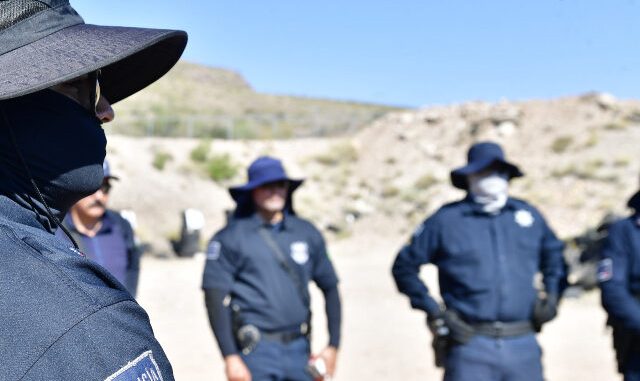
Chihuahua, Mexico — A joint U.S.–Mexico enforcement operation targeting cartel-linked drug production labs has ended in tragedy after a highway crash killed four law enforcement officials during their return from the mission, raising renewed concerns about the risks faced in high-intensity cross-border operations.
The convoy had reportedly just completed coordinated raids on suspected clandestine drug laboratories when the fatal crash occurred in a remote stretch of highway in northern Mexico.
🚨 What authorities say happened
According to early reports from security officials, the team was traveling back after completing enforcement activity in rural areas known for cartel influence.
Key details include:
- the convoy had participated in multiple lab raid locations earlier in the day
- vehicles were traveling through mountainous highway terrain in Chihuahua state
- one vehicle carrying senior personnel lost control
- it left the roadway and fell down an embankment
- four officials were killed instantly in the crash
Among the victims were both Mexican law enforcement personnel and U.S. officials attached to the operation in advisory and coordination roles.
Authorities have not indicated foul play at this stage, and the crash is currently being treated as an accident pending investigation.
⚖️ what the operation was targeting
The joint mission focused on dismantling illegal drug production infrastructure linked to organized crime groups operating in the region.
The operation reportedly included:
- raids on clandestine methamphetamine labs
- destruction of chemical processing sites
- seizure and disposal of drug manufacturing equipment
- intelligence-driven targeting of cartel supply operations
These types of labs are often located in remote terrain to avoid detection, requiring long travel through isolated roads and highways.
🧠 Why these missions carry hidden risk
While public attention often focuses on the raids themselves, the travel afterward is a major risk factor that is less visible.
On the ground, these operations often involve:
- long hours in high-stress tactical environments
- rapid movement between multiple raid sites
- immediate return travel over unfamiliar roads
- limited rest before long highway convoys
- coordination between multiple agencies with different protocols
In simple terms:
the mission doesn’t end when the raid ends — the danger continues during transport.
🚔 Cross-border cooperation is expanding — and so are complications
The incident highlights how deeply integrated U.S. and Mexican security cooperation has become in combating cartel operations.
Typical joint efforts include:
- intelligence sharing on cartel logistics and lab locations
- embedded U.S. advisory support in Mexican operations
- coordinated field raids led by Mexican security forces
- real-time communication during enforcement actions
But this level of coordination also introduces logistical complexity.
Critics point to challenges such as:
- differences in operational procedures
- extended time in the field under pressure
- fatigue from sustained multi-location missions
- convoy coordination in remote terrain
In plain language:
the more complex the mission, the more chances there are for something to go wrong outside the operation itself.
⚠️ The terrain factor: Remote highways and fatigue
Northern Mexico’s terrain plays a major role in operational risk.
In areas like Chihuahua:
- highways often pass through steep, winding mountain roads
- lighting and infrastructure can be limited in rural zones
- long distances separate raid sites from urban centers
- convoy travel is often prolonged after operations conclude
When combined with fatigue from enforcement activity, conditions can become more dangerous during return travel.
🌍 Wider security context: ongoing cartel pressure
The crash comes amid continued enforcement pressure on organized crime networks operating in Mexico.
Recent trends include:
- expanded raids on synthetic drug production sites
- increased cooperation between U.S. and Mexican authorities
- intensified efforts to disrupt cartel supply chains
- ongoing violence in contested regions
In simple terms:
authorities are increasing pressure on cartels, but the operational demands are also increasing.
🔍 Critical View: What this tragedy says about cross-border enforcement
The deadly crash after the U.S.–Mexico cartel lab raids in Chihuahua raises a serious question that goes beyond the incident itself: how these high-risk operations are planned, and whether enough attention is being given to safety once the mission is over.
⚠️ Success in raids doesn’t eliminate risk
The raids targeted illegal drug labs, which is part of a broader effort to weaken cartel operations. But critics argue that focusing heavily on the raid itself can sometimes overshadow what happens afterward.
Key concern:
- the mission is considered “done” after the target is hit
- but personnel still have to travel long distances back
- fatigue and stress don’t end immediately after the operation
In simple terms:
winning the raid doesn’t remove the danger of getting home.
🛣️ Travel after operations is a weak point
One of the biggest issues raised is the return journey.
After intense enforcement work, teams often face:
- long highway travel through remote areas
- exhaustion from extended operations
- reduced alertness after high-stress activity
- limited recovery time before movement
Critics say this phase doesn’t always get the same level of planning as the raid itself.
🤝 Coordination adds complexity
Joint U.S. and Mexican operations are necessary for tackling cartel networks, but they also introduce complications.
These include:
- different operational systems between agencies
- communication gaps during fast-moving missions
- varying safety protocols and standards
- pressure to complete multiple objectives quickly
In plain language:
more coordination can mean more chances for something to go wrong.
🧠 Pressure to act quickly can create risk
There is also concern that high-pressure enforcement goals can lead to tight scheduling.
That can result in:
- long operational days without enough rest
- convoy movement immediately after raids
- limited flexibility in travel planning
- fatigue being treated as secondary to mission timing
Critics argue that speed should not come at the cost of basic safety margins.
⚖️ Balancing enforcement and safety
Most people agree that cartel-linked drug labs are a serious problem that needs enforcement. The debate is about balance.
The key question is:
- how to disrupt dangerous criminal networks
- while also ensuring personnel are not exposed to avoidable risks after operations
In simple terms:
strong enforcement still needs strong safety planning.
👥 On the Ground: What this incident looks like in real life
On the ground in northern Mexico, especially in areas like Chihuahua where cartel-linked drug labs are targeted, the focus is not on headlines or politics. It’s on the real risks faced by the people doing the work — and the aftermath of operations like the one that ended in a fatal highway crash.
🚔 The mission is dangerous before and after the raid
For law enforcement teams involved in the cartel lab raids, the danger doesn’t stop when the targets are destroyed.
What they deal with includes:
- entering remote, cartel-influenced areas
- working under pressure in fast-moving operations
- traveling long distances on unfamiliar roads afterward
- limited rest between high-stress phases
In simple terms:
the job is risky during the raid — and still risky on the way back.
🛣️ Highways become part of the risk zone
The crash highlights something that often gets overlooked: the return trip.
On the ground, that means:
- long drives through rural highways and mountain roads
- fatigue after hours of operational activity
- convoys moving under time pressure
- reduced visibility and difficult terrain
So even when the operation is over, the environment is still dangerous.
🤝 Working together adds both strength and complexity
Joint U.S. and Mexican operations are seen as necessary to deal with organized crime networks, but they also add layers of coordination.
That includes:
- different agencies working side by side
- shared intelligence and joint planning
- varying procedures between countries
- pressure to complete missions efficiently
In plain language:
more coordination helps enforcement, but it also makes operations more complicated.
🧠 Fatigue is a real factor in the field
People involved in these missions often work long, intense hours.
That can lead to:
- exhaustion after extended field operations
- reduced reaction time during travel
- physical and mental strain from high-alert environments
- limited recovery time before moving again
On the ground, fatigue is not just discomfort — it becomes a safety issue.
⚖️ Balancing enforcement and basic safety
Most people in the field understand the importance of targeting cartel drug labs. But there is also a practical concern about how operations are structured.
The key balance is:
- stopping dangerous criminal activity
- while making sure personnel are not exposed to preventable risks afterward
In simple terms:
the mission doesn’t end at the raid — it ends when everyone gets home safely.
🎯 The Final Word:
At the end of the day, the deadly crash after the U.S.–Mexico cartel lab raids highlights a hard reality about cross-border enforcement: stopping dangerous criminal operations is only part of the mission, and getting home safely is just as important. While these raids are aimed at disrupting cartel activity, the incident shows how long travel, rough terrain, fatigue, and coordination between agencies can still create serious risks even after the operation is complete. In simple terms, the main takeaway is that enforcement work doesn’t end when the target is hit — it only truly ends when everyone involved makes it back safely.