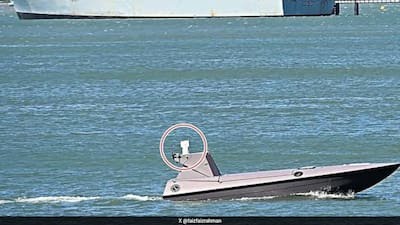
The discovery has raised concerns about Chinese technology making its way into British defence equipment
Reported by:

Cherry Meigh Timbol
News Content Editor
Published August 11, 2026
LONDON, United Kingdom — Britain’s Ministry of Defence says there is no evidence that sensitive military information was accessed or transmitted to China after a cybersecurity assessment discovered that cameras fitted to Royal Navy drone boats were communicating with an internet address linked to China.
The discovery has nevertheless raised questions about the security of foreign-made components used in British military equipment and the ability of defence suppliers to identify hidden connectivity risks.
The issue involves K3 Scout unmanned surface vessels used for maritime surveillance and other naval operations. Reports said the cameras were found sending routine “heartbeat” communications during a cyber vulnerability assessment. The MoD subsequently disconnected the affected cameras from the internet.
Chinese-Linked Communications Discovered
The security concern emerged during a routine assessment of the systems.
The cameras reportedly transmitted automated signals to an internet address in China. Such “heartbeat” communications are generally used by devices to indicate that they are operational or connected.
The MoD has emphasized that discovering the connection does not mean classified information was stolen.
- No evidence has been found that sensitive military data was transmitted.
- There is no evidence that classified systems were compromised.
- Internet connectivity to the affected camera components was removed.
- The vulnerability was identified through a cybersecurity assessment.
Position: The British government maintains that the incident represents a cybersecurity vulnerability rather than evidence that sensitive military information was leaked to China.
Royal Navy Drone System Under Scrutiny
The affected K3 Scout vessels are unmanned systems designed for maritime surveillance and other naval missions.
The incident has raised questions about the components used inside military platforms, particularly when equipment includes technology sourced through international supply chains.
The concern is not limited to the camera itself. Security specialists are increasingly examining whether seemingly minor components can create pathways for unauthorized communications or remote access.
Position: The incident highlights the difficulty of securing modern military systems when they depend on complex international technology supply chains.
MoD Disconnects Camera Connectivity
Following the discovery, the Ministry of Defence removed the affected cameras’ internet connectivity.
The measure is intended to eliminate the communications pathway identified during the security assessment while allowing authorities to investigate the vulnerability further.
The MoD has stressed that its security procedures were effective because the vulnerability was discovered during testing rather than through evidence of a successful compromise.
Position: Britain is treating the vulnerability as a security issue requiring corrective action, while maintaining that there is no evidence sensitive information was exposed.
Concerns Over Chinese Components
The controversy has also revived broader concerns about Chinese-made or Chinese-sourced technology entering Western defence supply chains.
China is a major global supplier of drone components, including cameras, electronics, motors and communications equipment. That manufacturing dominance can make completely eliminating Chinese-origin components difficult for defence manufacturers.
For governments, the concern is that even a relatively inexpensive component could introduce an unexpected cybersecurity risk into an otherwise secure military platform.
Position: The incident is increasing scrutiny of defence supply chains and the security risks associated with foreign-made electronic components.
Security Questions Remain
Although the MoD says no sensitive data was leaked, the discovery has prompted questions about how the components were sourced, tested and approved.
The incident demonstrates that cybersecurity risks can exist below the level of an entire military platform. A camera or communications module may potentially create security concerns even when the wider system is designed to protect classified information.
The discovery also illustrates why defence organizations increasingly conduct cybersecurity assessments on equipment already in service.
Position: The absence of evidence of a data breach does not eliminate concerns about supply-chain security or the need for more rigorous testing.
Broader Implications for British Defence
The episode comes as Britain and other Western militaries increasingly rely on autonomous systems and drones for surveillance, reconnaissance and combat support.
As military platforms become more connected, cybersecurity becomes an increasingly important part of defence procurement.
The incident could therefore encourage Britain to strengthen requirements for:
- Foreign-made electronic components
- Remote communications capabilities
- Software and firmware security
- Supplier cybersecurity assessments
- Independent testing of military equipment
👥 Public / Political Reactions:
🇬🇧 UK Government / Ministry of Defence
The UK Ministry of Defence has sought to reassure the public that no sensitive military information was leaked to China after a vulnerability involving cameras installed on Royal Navy drone vessels was identified.
- The MoD said there is no evidence that sensitive or classified data was transmitted to China.
- The vulnerability was identified during a security assessment of the unmanned naval systems.
- The affected cameras were reportedly disconnected from the internet after the issue was discovered.
- British officials are continuing to assess the security implications of the technology involved.
Position: The UK government maintains that there was no confirmed data breach but acknowledges the importance of addressing the cybersecurity vulnerability.
🇬🇧 British Defence and Security Concerns
The incident has raised broader questions about the use of foreign-made technology in British military systems.
- Security concerns are focused on whether individual electronic components can create unexpected communications pathways.
- Defence systems increasingly depend on cameras, sensors, software and communications equipment supplied through international supply chains.
- The discovery could lead to greater scrutiny of components used in British military drones and autonomous systems.
- Defence officials face pressure to ensure that foreign-sourced technology cannot create potential security vulnerabilities.
Position: The incident highlights the growing importance of supply-chain security as Britain expands its use of autonomous and digitally connected military systems.
🇨🇳 China
The reported connection to an internet address associated with China has renewed concerns in Britain about the security implications of Chinese-linked technology.
- The discovery does not by itself establish that the Chinese government accessed British military information.
- There is no reported evidence that classified information was successfully transmitted.
- The incident nevertheless raises questions about the potential risks associated with Chinese-made electronic components.
- Western governments have increasingly examined Chinese technology because of concerns over cybersecurity and strategic dependence.
Position: The reported Chinese-linked connection is fueling scrutiny of technology originating from or associated with China, even though no confirmed transfer of sensitive British military information has been established.
🛡️ Defence and Cybersecurity Experts
Cybersecurity concerns are increasingly focused on vulnerabilities that can exist within individual components of military systems.
- Cameras and other network-connected devices can potentially create unexpected communication pathways.
- Security testing is becoming increasingly important as military equipment becomes more digitally connected.
- Defence organizations must examine not only the main platform but also the components and software installed inside it.
- Supply-chain vulnerabilities can become a security concern even when there is no evidence of an actual data breach.
Position: Security specialists warn that identifying and eliminating hidden connectivity risks should be a major priority in modern military procurement.
🌍 International Security Community
The incident is likely to contribute to wider international debate over the security of foreign technology in defence systems.
- NATO members are increasingly examining the cybersecurity of military supply chains.
- Western governments face pressure to reduce potential vulnerabilities involving strategic technologies.
- Autonomous naval and aerial systems are becoming increasingly important to modern military operations.
- Similar concerns could emerge in other countries using commercially available foreign-made components.
Position: The incident reinforces the need for stronger cybersecurity standards and closer scrutiny of international defence supply chains.
👥 Public Response
Public concern has focused largely on the possibility that foreign-made technology could create vulnerabilities inside British military systems.
- The reported Chinese-linked communication has generated questions about how the component passed security checks.
- Concerns remain focused on protecting sensitive defence information.
- The absence of evidence of a data leak has provided some reassurance.
- The incident has nevertheless increased public attention on cybersecurity and foreign technology in national defence.
Position: Public concern remains focused on whether Britain can ensure that military equipment is secure from hidden communications and supply-chain vulnerabilities.
⚠️ Resulting Effects:
The discovery of a Chinese-linked communications pathway in cameras installed on Royal Navy drone vessels could have significant cybersecurity, defence, and supply-chain consequences, even though the UK Ministry of Defence says there is no evidence that sensitive data was leaked.
1. Increased Scrutiny of Military Technology
The incident is likely to trigger closer examination of electronic components used in British defence systems.
🔍 Cameras, sensors and communications equipment could face additional security testing.
🛡️ Defence contractors may face stronger cybersecurity requirements.
⚙️ Existing military platforms could undergo further vulnerability assessments.
➡️ Result: Discovery of a vulnerability → greater scrutiny of military technology.
2. Greater Supply-Chain Security Concerns
The incident highlights the risks associated with complex international defence supply chains.
🌐 Military platforms can contain components sourced from multiple countries.
🇨🇳 Chinese-linked technology could face increased scrutiny.
⚠️ Governments may become more concerned about hidden connectivity or remote-access capabilities.
➡️ Result: Foreign-sourced components → increased focus on defence supply-chain security.
3. Potential Changes to Defence Procurement
Britain could reconsider how foreign-made electronic components are approved for military use.
📋 Suppliers may face stricter security requirements.
🔐 Components could require additional independent testing.
🏭 Defence manufacturers may be encouraged to use more trusted or domestic suppliers.
➡️ Result: Cybersecurity concerns → tighter military procurement standards.
4. Increased Cybersecurity Testing
The discovery demonstrates the importance of testing military equipment before and after deployment.
🧪 Defence systems could undergo more frequent vulnerability assessments.
📡 Network communications may receive greater scrutiny.
💻 Software and firmware could be examined for unexpected connections.
➡️ Result: More testing → greater ability to identify vulnerabilities before exploitation.
5. Pressure on British Defence Contractors
Companies supplying equipment to the British military could face greater accountability.
🏭 Contractors may be required to provide more detailed information about component suppliers.
🔎 Security audits could become more extensive.
⚠️ Companies could face greater scrutiny if vulnerabilities are discovered in their products.
➡️ Result: Supply-chain risks → increased accountability for defence contractors.
6. Broader Concerns Over Chinese Technology
The incident could intensify political and security concerns surrounding Chinese-linked technology.
🇨🇳 Chinese-made components could face additional examination.
🇬🇧 British officials may face pressure to reduce potential Chinese technology dependencies.
🌍 Other Western governments could review similar systems.
➡️ Result: Chinese-linked vulnerability → broader debate over technological dependence and national security.
7. No Confirmed Sensitive Data Breach
The immediate impact is tempered by the UK government’s position that no sensitive information was leaked.
🔒 The MoD says there is no evidence classified data was transmitted.
🚫 The affected cameras were reportedly disconnected from the internet.
🛡️ The vulnerability was identified through security testing.
➡️ Result: Vulnerability discovered without confirmed data loss → limited immediate damage but continued security concerns.
8. Greater Focus on Autonomous Military Systems
The incident comes as Britain and other nations increasingly deploy unmanned systems.
🤖 Naval drones are becoming more important for surveillance and maritime operations.
📡 Autonomous systems depend heavily on network connectivity and electronic components.
⚠️ Greater connectivity can create additional cybersecurity challenges.
➡️ Result: Expansion of military autonomy → greater importance of cybersecurity and secure technology supply chains.
🔮 Future Outlook:
The UK Ministry of Defence’s discovery of a Chinese-linked communications vulnerability in cameras fitted to Royal Navy drone vessels is likely to trigger greater scrutiny of military technology, defence supply chains, and cybersecurity standards. Although the MoD says there is no evidence that sensitive information was leaked, the incident could influence how Britain procures and tests connected military equipment.
1. Expanded Security Testing of Military Systems
Britain is likely to increase cybersecurity assessments of unmanned and digitally connected defence platforms.
🔍 Cameras, sensors and communications equipment could undergo additional testing.
🧪 Existing military systems may be reassessed for similar vulnerabilities.
🛡️ Security checks could become more frequent throughout the equipment’s operational life.
➡️ Outlook: Greater security testing → earlier identification of potential vulnerabilities.
2. Stricter Defence Supply-Chain Requirements
The incident could lead Britain to impose tougher cybersecurity requirements on defence suppliers.
📋 Contractors may have to provide more information about component manufacturers.
🔎 Foreign-sourced components could face additional scrutiny.
🏭 Suppliers may be required to demonstrate stronger cybersecurity controls.
➡️ Outlook: Supply-chain concerns → stricter requirements for military contractors.
3. Greater Scrutiny of Chinese-Linked Components
British authorities may take a closer look at technology connected to Chinese manufacturers or infrastructure.
🇨🇳 Components with links to China could receive additional security assessments.
🇬🇧 Officials may examine whether alternative suppliers are available.
🌍 Other Western governments could conduct similar reviews of their own military equipment.
➡️ Outlook: Chinese-linked technology concerns → broader reviews of foreign components in defence systems.
4. Potential Changes to Military Procurement
The episode could influence future British defence purchasing decisions.
💷 Cost considerations may become secondary to cybersecurity requirements for sensitive systems.
🔐 Procurement contracts could include stronger security guarantees.
🏭 Britain could seek to increase reliance on trusted or domestic suppliers for critical components.
➡️ Outlook: Cybersecurity becoming a procurement priority → potential reduction in risky technology dependencies.
5. Increased Development of Secure Autonomous Systems
Britain is expected to continue expanding its use of unmanned naval and aerial platforms.
🤖 Autonomous vessels could become increasingly important for surveillance.
📡 Secure communications will become more critical as systems become more connected.
🛡️ Cybersecurity could be integrated more deeply into the design of future military drones.
➡️ Outlook: Growth of autonomous warfare → greater emphasis on secure-by-design military technology.
6. Stronger Oversight of Defence Contractors
Defence companies could face increased pressure to identify vulnerabilities throughout their supply chains.
🔎 Companies may be required to conduct deeper supplier checks.
📑 Contractual cybersecurity standards could become more demanding.
⚠️ Vulnerabilities discovered after deployment could lead to additional investigations.
➡️ Outlook: Greater contractor oversight → increased accountability throughout the defence supply chain.
7. Broader NATO and Allied Reviews
The issue could encourage other Western militaries to examine similar vulnerabilities.
🌍 NATO allies may review connected components used in unmanned systems.
🛡️ Allied governments could exchange information about supply-chain vulnerabilities.
🤝 Defence cooperation could increasingly include cybersecurity and technology-security standards.
➡️ Outlook: Shared security concerns → greater coordination among Western defence partners.
8. No Immediate Evidence of a Major Data Breach
Despite the concerns, the available information does not establish that sensitive British military data was compromised.
🔒 The MoD maintains that no sensitive information was leaked.
🚫 The affected connectivity was reportedly removed after discovery.
⏳ Further assessments could determine whether additional vulnerabilities exist.
➡️ Outlook: No confirmed sensitive-data breach → continued investigation without evidence of a major compromise.
🧩 Bottom Line:
The UK Ministry of Defence says there is no evidence that sensitive military information was leaked to China through the vulnerability discovered in cameras fitted to Royal Navy drone vessels. However, the incident highlights a broader cybersecurity challenge for modern military systems that rely on complex international technology supply chains.
🇬🇧 For the United Kingdom, the priority will be strengthening cybersecurity testing, reviewing vulnerable components, and ensuring that foreign-made technology does not create hidden risks inside defence systems.
🇨🇳 For China, the reported Chinese-linked communications have intensified scrutiny of Chinese technology used in Western defence equipment, although there is no confirmed evidence that Beijing accessed sensitive British information.
🛡️ For British defence suppliers, the incident could lead to tougher requirements for component testing, supplier transparency, and cybersecurity protections.
🤖 For autonomous military systems, the episode demonstrates that even relatively small components such as cameras can become potential security concerns when connected to external networks.
🌍 For Western allies, the case could encourage broader reviews of foreign technology and supply-chain vulnerabilities in military drones and other connected defence platforms.
⚠️ Bottom Line: No confirmed sensitive-data breach has been established, but the discovery exposes a potentially important weakness in defence supply-chain security. Britain is likely to respond with greater scrutiny of connected military components, stricter procurement standards, and more comprehensive cybersecurity testing.
SOURCES: NDTV WORLD – No Sensitive Data Sent To China: UK Defence Ministry On Navy Drone Scare
EURACTIV – UK MoD says no data leaked to China via drone vulnerability