Reported by:

Cherry Meigh Timbol
News Content Editor
Published August 11, 2026
BOGOTÁ, Colombia — A powerful magnitude-7.4 earthquake has devastated western Colombia, killing at least 132 people in early reports and leaving thousands missing as rescuers race to search collapsed buildings and damaged communities.
The earthquake struck Monday and caused widespread destruction across parts of western Colombia, including Cali, Pereira, Manizales and areas near the epicenter in the Chocó region. The Colombian Association of Capital Cities initially reported 132 deaths and more than 570 injuries.
However, the death toll has continued to change as rescue teams reach previously inaccessible areas. Reports later indicated that the number of fatalities had risen significantly, underscoring the rapidly developing nature of the disaster.
A Major Disaster Across Western Colombia
The earthquake was among the strongest to strike Colombia in decades, producing severe shaking across a broad section of the country.
Cali, Pereira and Manizales were among the major cities affected, while communities closer to the epicenter suffered extensive structural damage. Hospitals, residential buildings and other infrastructure were damaged, complicating emergency operations.
More than 570 people were reported injured in the initial casualty figures, while thousands of residents were left without homes or uncertain about the whereabouts of relatives.
Search-and-Rescue Operations Intensify
Emergency crews are working through collapsed structures in an effort to locate survivors.
Police, soldiers, firefighters, engineers and civilian volunteers have been deployed to affected communities. Search operations have been particularly challenging where buildings have collapsed and roads or other infrastructure have been damaged.
Authorities are also dealing with overwhelmed medical facilities as injured residents arrive for treatment.
In Cali, damage to healthcare infrastructure forced patients to be moved from affected areas of hospitals, adding another challenge to an already strained emergency response.

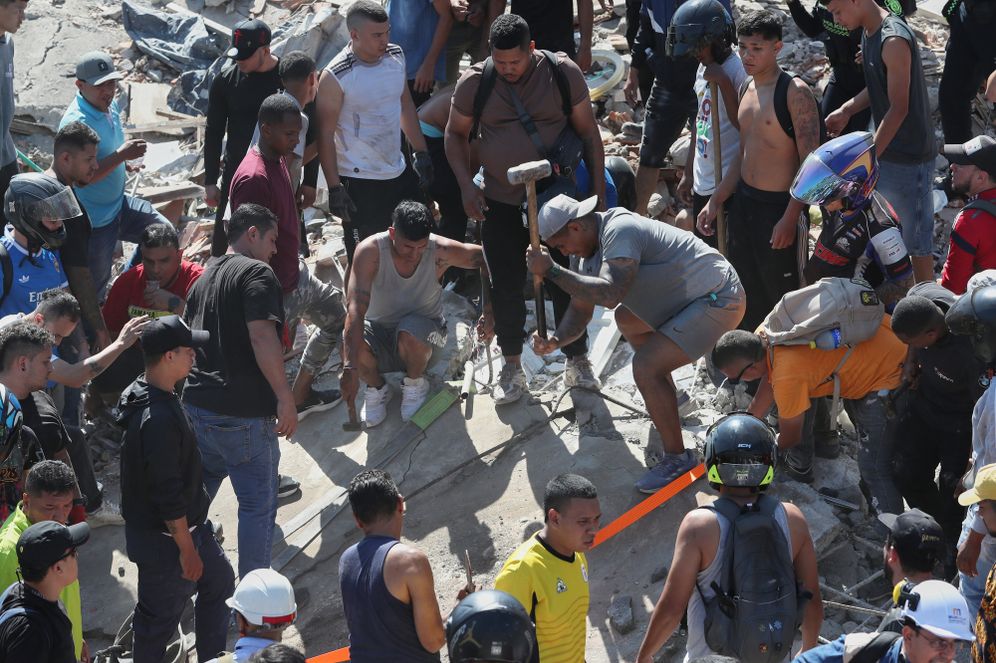
Residents and rescue workers search through the rubble after an earthquake struck Cali, Colombia, Monday, Aug. 10, 2026. (AP Photo/Santiago Saldarriaga)
Thousands Reported Missing
One of the most urgent concerns is the number of people still unaccounted for.
More than 3,000 people were reported missing in the aftermath of the earthquake, although authorities caution that the figure may include people who have lost communication with relatives rather than those confirmed to be trapped.
Families have been searching for missing relatives while rescue teams continue clearing debris from damaged buildings.
The number of confirmed fatalities could therefore rise as search teams reach additional areas.
Why the Damage Was So Severe
Colombia’s location makes it particularly vulnerable to powerful earthquakes.
The country sits within a complex tectonic environment involving the interaction of major plates, including the Nazca and South American plates. This geological setting contributes to significant seismic activity across parts of the country.
The scale of destruction is also influenced by factors such as building construction, local ground conditions, population density and the proximity of communities to the earthquake’s source.
The combination of powerful shaking and vulnerable structures can turn a major earthquake into a catastrophic disaster.
 Residents and rescue workers search through the rubble of a collapsed building after an earthquake struck Cali, Colombia, Monday, Aug. 10, 2026. (AP Photo/Santiago Saldarriaga)
Hospitals and Infrastructure Hit
The earthquake has disrupted essential infrastructure across affected areas.
🏥 Hospitals have been damaged and overwhelmed by casualties.
🏠 Residential buildings have collapsed or suffered serious structural damage.
🚧 Roads and transportation networks have been disrupted.
🏫 Schools and other public facilities have also been affected.
The destruction has made it more difficult for emergency workers to reach some communities and deliver medical assistance and supplies.
Government Declares Emergency
Colombian authorities have mobilized military, police and emergency personnel as the government responds to the disaster.
President Abelardo de la Espriella has directed national resources toward rescue and relief operations, with particularly significant attention being placed on Cali and communities in Chocó.
Security measures have also been introduced in some affected areas as authorities attempt to protect damaged communities and allow rescue operations to continue.
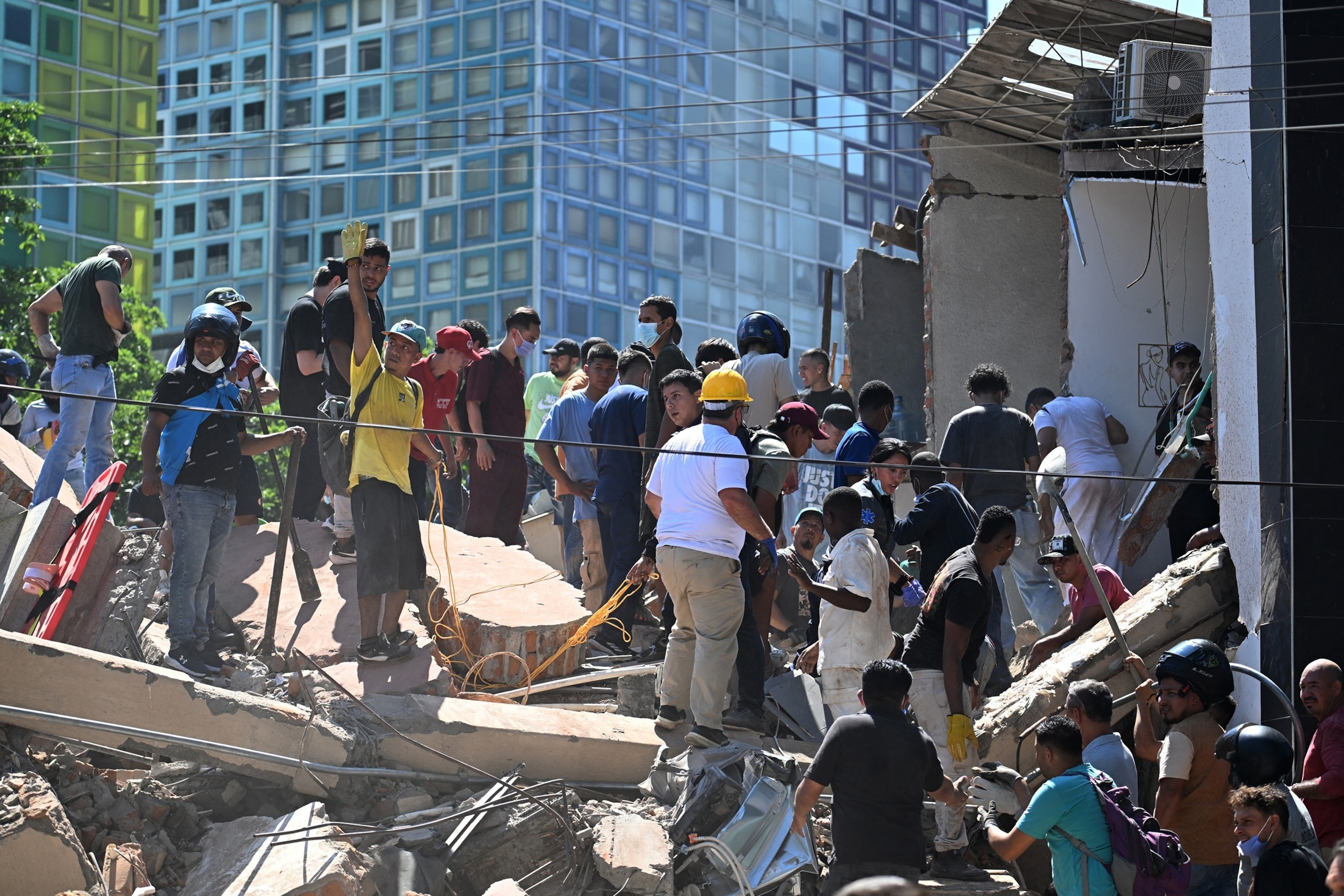 People look for survivors amid the rubble of a collapsed building after an earthquake in Cali, Colombia, Aug. 10, 2026.
People look for survivors amid the rubble of a collapsed building after an earthquake in Cali, Colombia, Aug. 10, 2026.International Assistance Begins
The scale of the disaster has also prompted international assistance.
The United States has pledged $15.5 million in aid to support Colombia’s earthquake response and recovery efforts.
Additional international assistance could become necessary if the number of displaced residents and injured victims continues to increase.
Aftershocks Add to the Danger
Rescue operations remain complicated by continuing seismic activity.
More than 20 aftershocks were reported following the main earthquake, creating additional risks for residents and emergency workers operating around damaged structures.
Authorities must balance the urgency of searching for survivors with the danger of entering buildings that could collapse during subsequent tremors.
The Human Cost Continues to Unfold
The full scale of the disaster remains unclear as rescuers continue reaching affected communities.
The initial death toll of 132 has already been revised upward by some authorities, while thousands of people remain unaccounted for.
For families waiting for information, the search for survivors remains the immediate priority.
👥 Public / Political Reactions:
- communications.
- Images of collapsed buildings and damaged neighborhoods have generated widespread concern.
- Messages of support and solidarity for Colombian communities have spread internationally.
Position: Public concern remains focused on finding missing people, protecting survivors and providing immediate humanitarian assistance to communities devastated by the earthquake.
⚠️ Resulting Effects:
The magnitude-7.4 earthquake in western Colombia is producing major humanitarian, infrastructure, and emergency-response consequences. At least 132 people were initially reported dead, hundreds were injured, and thousands remained unaccounted for as rescue teams continued searching damaged communities.
1. Rising Humanitarian Casualties
The earthquake has resulted in significant loss of life and injuries.
💥 At least 132 deaths were reported in the initial toll.
🚑 More than 570 people were reported injured.
👥 Thousands of people remained missing or unaccounted for.
➡️ Result: Large-scale earthquake → rising casualties and humanitarian pressure.
2. Destruction of Buildings and Homes
Strong shaking caused widespread structural damage across western Colombia.
🏠 Residential buildings were damaged or destroyed.
🏥 Hospitals were affected and overwhelmed by casualties.
🏫 Schools and other public buildings also suffered damage. 1
➡️ Result: Severe ground shaking → extensive damage to civilian infrastructure.
3. Emergency Services Under Pressure
The disaster is placing significant demands on Colombia’s rescue and medical systems.
🚒 Search-and-rescue teams are working through collapsed structures.
🚑 Hospitals are treating large numbers of injured people.
👥 Emergency workers are searching for people who remain missing.
➡️ Result: Large number of casualties → increased pressure on emergency and medical services.
4. Rescue Operations Become More Difficult
Continuing seismic activity is complicating efforts to search damaged buildings.
⚠️ Aftershocks can make already weakened structures more dangerous.
🏚️ Rescue workers face risks when entering damaged buildings.
🔎 Teams must balance the urgency of finding survivors with responder safety.
➡️ Result: Aftershocks + unstable structures → more difficult and dangerous rescue operations.
5. Disruption of Critical Infrastructure
Damage to essential facilities could slow the recovery process.
🏥 Medical facilities have been affected.
🚧 Roads and transportation networks have experienced disruption.
✈️ Air travel has also been affected in parts of the country. 3
➡️ Result: Infrastructure damage → slower movement of emergency personnel, supplies, and patients.
6. Increased Displacement
Thousands of residents could require temporary assistance following damage to homes and communities.
🏠 Damaged homes may leave families without safe shelter.
👥 Missing and displaced residents are searching for relatives and assistance.
⛺ Emergency shelters and essential supplies could become increasingly important.
➡️ Result: Widespread structural damage → greater demand for shelter and humanitarian assistance.
7. Economic and Recovery Pressure
The destruction could create substantial costs for affected communities and the Colombian government.
🏗️ Damaged buildings will require inspection, repair, or reconstruction.
🏥 Healthcare infrastructure may require major repairs.
💰 Government resources will be diverted toward emergency response and recovery.
➡️ Result: Extensive physical damage → higher reconstruction costs and prolonged economic disruption.
8. Greater International Humanitarian Pressure
The scale of the disaster is likely to increase demands for international assistance.
🌍 Foreign governments and humanitarian organizations may provide emergency support.
💵 Financial assistance could help Colombia rebuild damaged infrastructure.
🤝 International cooperation may become increasingly important as rescue and recovery operations continue.
➡️ Result: Rising humanitarian needs → greater international assistance and relief efforts.
🔮 Future Outlook:
The aftermath of the magnitude-7.4 earthquake in western Colombia is expected to remain focused on rescue operations, casualty assessments, emergency relief, and infrastructure recovery. The death toll has continued to change as rescuers reach additional areas, while thousands of people remain unaccounted for.
1. Continued Search for Survivors
Rescue teams are expected to continue searching collapsed and damaged buildings for people who may still be trapped.
🔎 Soldiers, firefighters, police and volunteers will continue search operations.
🐕 Rescue teams may use dogs and other specialized equipment to locate survivors.
⏳ Authorities face increasing pressure to locate missing people quickly.
➡️ Outlook: Continued rescue operations → ongoing possibility of finding survivors while the search remains active.
2. Death Toll Could Continue to Rise
The number of confirmed fatalities may increase as authorities gain access to damaged areas.
⚠️ Thousands remain unaccounted for.
🏚️ Some heavily damaged communities remain difficult to assess.
📊 Authorities are continuing to update casualty figures.
➡️ Outlook: Expanded access to affected areas → potentially higher confirmed casualty figures.
3. More Aftershocks Could Complicate Recovery
Aftershocks could create additional risks for survivors and emergency personnel.
⚠️ Damaged buildings may become increasingly unstable.
🚒 Rescue workers could face additional hazards.
🏠 Residents may be unable to safely return to damaged homes.
➡️ Outlook: Continued seismic activity → greater risks during rescue and recovery operations.
4. Large-Scale Humanitarian Assistance
The number of displaced and injured residents is likely to increase demand for emergency assistance.
🏠 Families may require temporary shelter.
💧 Communities could need water, food and medical supplies.
🚑 Hospitals and emergency facilities may require additional resources.
➡️ Outlook: Growing humanitarian needs → expanded domestic and international relief operations.
5. Infrastructure Inspections and Reconstruction
Authorities will likely begin a major assessment of damaged infrastructure once immediate rescue operations are completed.
🏢 Thousands of buildings may require structural inspections.
🚧 Roads and transportation infrastructure will need repairs.
🏥 Damaged hospitals and public facilities will require reconstruction.
➡️ Outlook: Extensive structural damage → prolonged rebuilding and infrastructure-recovery efforts.
6. Increased Government Security and Emergency Measures
Authorities are likely to maintain emergency measures in the hardest-hit areas.
🛡️ Security forces may continue protecting damaged communities.
🚨 Curfews and traffic restrictions could remain in affected cities.
🚑 Emergency access will remain a priority for rescue and medical teams.
➡️ Outlook: Continuing emergency conditions → sustained government intervention and security measures.
7. Greater International Assistance
International support is likely to increase as Colombia assesses the full scale of the disaster.
🌎 Foreign governments may provide additional financial and humanitarian assistance.
🤝 International rescue and relief organizations could support local authorities.
💰 Reconstruction assistance may become increasingly important.
➡️ Outlook: Expanding damage assessment → greater international humanitarian and financial support.
8. Long-Term Recovery and Preparedness
The earthquake is likely to trigger a longer discussion about building safety and earthquake preparedness in Colombia.
🏗️ Damaged structures may be subject to stricter safety inspections.
🏠 Building standards could receive greater attention.
📢 Authorities may strengthen earthquake preparedness and emergency-response planning.
➡️ Outlook: Lessons from the disaster → stronger emphasis on structural safety, preparedness and disaster resilience.
🧩 Bottom Line:
The magnitude-7.4 earthquake in western Colombia has developed into a major national disaster, with the death toll continuing to rise and thousands of people reported missing as rescue teams search damaged and collapsed structures. Reuters reported that local authorities had raised the death toll to 224, while rescue operations continued across the hardest-hit areas. 0
🇨🇴 For Colombia, the immediate priority remains finding survivors, treating the injured, providing shelter, and restoring essential services in affected communities.
🚑 For emergency responders, the continuing search for people trapped under rubble remains a race against time, while damaged structures and aftershocks create additional risks.
🏠 For affected communities, widespread building damage and displacement could create long-term housing, medical, and economic challenges.
🌎 For the international community, the scale of the disaster is likely to require continued humanitarian and financial assistance as Colombia moves from rescue operations toward recovery.
⚠️ Bottom Line: Colombia is facing a prolonged humanitarian and reconstruction crisis following the devastating earthquake. The immediate focus remains on saving lives and locating missing people, but the scale of destruction means recovery and rebuilding could continue for months or years. 1
“`2
SOURCES: BREITBART NEWS – 132+ Killed in Colombia Earthquake as Death Toll Revised Upwards, Thousands Reported Missing
THE CONVERSATION – Colombia earthquake has killed at least 132. My research helps explain why it was so destructive
HUMAN ONLINE – South America | 7.4 Quake Kills 132+ in Colombia; Cali & Pereira Hit Hard