Reported by:

Cherry Meigh Timbol
News Content Editor
Published August 10, 2026
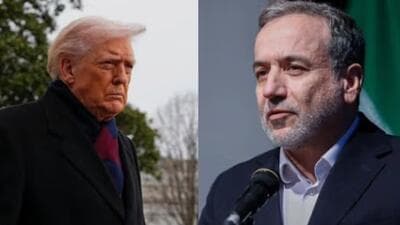
WASHINGTON — President Donald Trump is pushing back against Iran’s demands for compensation and other concessions tied to the reopening of the Strait of Hormuz, arguing instead that Tehran should be responsible for compensation related to casualties and damage linked to conflicts involving Iran and Iran-backed forces.
Trump’s response came after Iranian officials demanded compensation from the United States and Israel for military damage and linked the broader reopening of the strategic waterway to several conditions, including sanctions relief and changes to the U.S. military posture.
Trump rejects Iran’s demand for war compensation
Rather than accepting Tehran’s demands, Trump has turned the compensation issue around, saying Iran should face demands for compensation for people killed or seriously wounded in conflicts involving Iranian forces or Iran-backed groups.
The position represents a sharp rejection of the idea that Washington should compensate Tehran for damage caused during military operations.
Trump’s message is effectively that Iran should not expect the United States to negotiate from the premise that Washington owes Tehran reparations.
Iran links Hormuz reopening to U.S. Concessions
The dispute is closely tied to the Strait of Hormuz, a critical international shipping route.
Iran has indicated that broader reopening of the waterway could depend on Washington addressing several Iranian demands, reportedly including compensation for military damage, sanctions relief, the release of frozen Iranian assets, an end to U.S. military threats and guarantees concerning future military action.
Trump’s rejection puts the two sides on opposing negotiating positions.
Iran is attempting to use its influence over the waterway as leverage, while Trump is signaling that the United States will not accept Tehran’s demands as the starting point for negotiations.
Trump favors economic pressure over immediate escalation
Despite his hard-line response, Trump has indicated that he does not necessarily want an immediate new military escalation with Iran.
In comments reported by Axios, Trump described the U.S. approach as “low-keying it” with Iran, suggesting that Washington is allowing economic pressure to weaken Tehran’s position while maintaining U.S. military power as a deterrent.
Trump has pointed to Iran’s economic difficulties, including inflation and pressure on the government’s ability to finance its military.
The strategy puts the emphasis on economic pressure and negotiations rather than immediately launching another major military campaign.
Trump’s message: Iran should be paying, not Washington
The compensation dispute has become a broader test of negotiating power between Washington and Tehran.
Iran is seeking to portray the damage caused by military operations as grounds for compensation from the United States and Israel.
Trump is rejecting that framework and instead arguing that Iran should be held financially accountable for casualties and damage associated with Iranian actions and Iran-backed groups.
The disagreement could make negotiations over the Strait of Hormuz more difficult, particularly if Tehran continues to condition a broader reopening of the waterway on U.S. concessions.
Hormuz becomes a test of Trump’s Iran strategy
The Strait of Hormuz remains one of the world’s most important energy chokepoints. Prolonged disruption can affect international shipping, oil prices, energy costs and global supply chains.
The confrontation therefore represents a major test for Trump’s approach toward Iran.
If economic pressure eventually forces Tehran to reopen the waterway without receiving major concessions, Washington could portray the outcome as a negotiating victory.
If Iran maintains restrictions on the waterway and succeeds in forcing Washington to negotiate over sanctions, compensation and military policy, Tehran could claim that its strategy has produced significant leverage.
For now, Trump’s response is clear: Washington is rejecting Iran’s demand for compensation and is instead seeking to shift financial responsibility back toward Tehran.
👥 Public / Political Reactions:
🇺🇸 Trump Administration
President Donald Trump rejected Iran’s demand that the United States and Israel provide compensation, arguing instead that Iran should compensate people killed or seriously wounded in conflicts involving Iranian forces or Iran-backed groups.
Trump pushed back against Tehran’s position that compensation should be paid to Iran for damage caused by U.S. and Israeli military operations.
The president said Washington would seek compensation from Iran for casualties attributed to Iranian actions.
His response represents a direct rejection of Iran’s attempt to make compensation part of the conditions for a broader agreement.
Trump’s position places responsibility for compensation on Tehran rather than Washington.
POSITION: Trump is insisting that Iran should be held financially accountable for casualties linked to its actions rather than receiving compensation from the United States.
🇮🇷 Iranian Authorities
Iranian officials have demanded compensation from the United States and Israel for damage caused during the conflict while tying broader concessions to the reopening of the Strait of Hormuz.
Tehran has called for compensation for damage caused by U.S. and Israeli military operations.
Iranian demands reportedly include sanctions relief and the release of frozen Iranian assets.
Iran has also sought assurances concerning future U.S. military action.
Trump’s rejection directly conflicts with Tehran’s position over who should pay compensation.
POSITION: Iran continues to seek compensation and other concessions from Washington, while Trump is rejecting those demands and shifting the issue of financial responsibility back toward Tehran.
🌍 International Community
The competing compensation demands have added another contentious issue to negotiations between Washington and Tehran.
The dispute could make efforts to reach an agreement over the Strait of Hormuz more difficult.
International attention remains focused on whether the confrontation can be resolved without another military escalation.
A prolonged disagreement could create additional uncertainty for countries dependent on shipping through the Strait of Hormuz.
POSITION: International concern is focused on preventing the compensation dispute from becoming another obstacle to negotiations and broader regional stability.
👥 Public Response
Public reaction is likely to center on Trump’s decision to reject Iran’s demand for compensation and argue that Tehran should instead compensate those harmed by Iranian actions.
Supporters of Trump may view the response as a refusal to allow Iran to dictate financial terms to Washington.
Critics may worry that competing demands for compensation could further complicate negotiations.
Americans affected by attacks involving Iran or Iran-backed groups may see Trump’s position as an effort to hold Tehran accountable.
The dispute has reinforced the broader disagreement over responsibility for casualties and wartime damage.
POSITION: Public reaction is focused on Trump’s decision to turn Iran’s compensation demand back on Tehran and insist that Iran, rather than Washington, should be responsible for compensation tied to its actions.
⚠️ Resulting Effects:
The dispute between President Donald Trump and Iran over compensation is creating additional political and diplomatic pressure as Washington rejects Tehran’s demand for payment and instead argues that Iran should compensate people killed or seriously wounded by Iranian forces or Iran-backed groups.
The disagreement also adds another complication to negotiations surrounding the Strait of Hormuz.
1. Iran faces counter-demands for compensation
Trump has rejected Iran’s position that Washington and Israel should compensate Tehran.
💰 Trump said Iran should instead pay compensation for casualties attributed to Iranian actions.
🇺🇸 The administration is refusing to accept Tehran’s compensation demand as a negotiating condition.
🇮🇷 Iran now faces a direct counter-demand from Washington.
➡️ RESULT: Trump’s rejection of Iranian reparations demands increases pressure on Tehran to accept responsibility for casualties linked to its actions.
2. Compensation becomes a major negotiating dispute
The disagreement over who should pay could complicate broader negotiations.
⚖️ Iran is seeking compensation for damage caused by U.S. and Israeli military operations.
🇺🇸 Trump is demanding accountability from Iran instead.
🤝 The competing positions could make an agreement more difficult to reach.
➡️ RESULT: Conflicting compensation demands create greater obstacles to U.S.-Iran negotiations.
3. Greater pressure on Tehran
Trump’s position places additional political pressure on the Iranian government.
📉 Washington is continuing to emphasize economic pressure on Iran.
💵 Tehran could face demands for financial accountability.
🇮🇷 Iranian leaders must balance their compensation demands against pressure from Washington.
➡️ RESULT: Continued U.S. economic and political pressure could further weaken Iran’s negotiating position.
4. Hormuz negotiations become more complicated
The compensation dispute comes as Iran maintains demands connected to the reopening of the Strait of Hormuz.
🚢 Iran has linked broader reopening arrangements to concessions from Washington.
💰 Compensation is among the issues being raised by Tehran.
⚠️ Trump’s rejection could make negotiations over Hormuz more difficult.
➡️ RESULT: The compensation dispute combined with the Hormuz negotiations creates increased uncertainty surrounding the waterway’s reopening.
5. Increased risk of diplomatic stalemate
The opposing demands could make it harder for Washington and Tehran to reach a compromise.
🇺🇸 Trump is refusing to negotiate on Iran’s preferred compensation terms.
🇮🇷 Tehran continues pressing for concessions from Washington.
🤝 Both sides face pressure to demonstrate strength during negotiations.
➡️ RESULT: Hardening positions could increase the risk of a prolonged diplomatic deadlock.
6. Potential Economic Consequences
A prolonged dispute over Hormuz could create additional uncertainty for international shipping and energy markets.
🛢️ Disruptions around the waterway could affect energy shipments.
🚢 Shipping companies face uncertainty if restrictions continue.
🌍 Energy-importing countries could be exposed to higher costs.
➡️ RESULT: Prolonged uncertainty surrounding Hormuz could increase pressure on global shipping and energy markets.
7. Iran’s Security establishment gains importance
Tehran’s increasingly hard-line security posture could influence how the compensation dispute develops.
🛡️ Veteran IRGC commander Mohsen Rezaei has taken a key national-security position.
🇮🇷 Iran continues to maintain a firm negotiating position.
⚠️ A stronger military-security role could make compromise more difficult.
➡️ RESULT: Greater influence from Iran’s security establishment could contribute to tougher negotiations with Washington.
8. Greater pressure on Trump to maintain his position
Trump’s compensation demand places the administration in a position where backing down could carry political costs.
🇺🇸 The president has rejected the idea that Washington owes Iran reparations.
💰 Trump is instead demanding compensation from Tehran.
⚠️ Any future agreement may be judged against his insistence that Iran should bear financial responsibility.
➡️ RESULT: Trump’s counter-demand creates greater political pressure to secure an agreement that does not appear to reward Tehran’s compensation demands.
🔮 Future Outlook:
The dispute between President Donald Trump and Iran over compensation is likely to remain an important part of broader negotiations over the Strait of Hormuz.
Trump’s rejection of Iran’s demand, combined with his call for Tehran to compensate victims of Iranian actions, could make the next phase of negotiations more difficult.
1. Continued U.S. pressure on Iran
Washington is likely to maintain pressure on Tehran rather than accept Iran’s compensation demands.
🇺🇸 Trump is expected to continue emphasizing economic pressure.
💰 The administration could continue demanding accountability from Iran for casualties linked to Iranian actions.
⚠️ Washington is unlikely to accept compensation for Iran as a straightforward condition for negotiations.
➡️ OUTLOOK: Continued U.S. pressure could increase pressure on Tehran to compromise.
2. Iran may maintain its compensation demands
Tehran is likely to continue arguing that the United States and Israel should compensate Iran for wartime damage.
🇮🇷 Iranian officials could maintain demands for compensation.
💵 Sanctions relief and access to frozen assets may remain part of Tehran’s broader demands.
🛑 Iran could resist any agreement that does not address its financial claims.
➡️ OUTLOOK: Continued Iranian demands could prolong the disagreement over financial responsibility.
3. Hormuz negotiations could become more difficult
The compensation dispute could become another obstacle in negotiations surrounding the Strait of Hormuz.
🚢 Iran may continue using the reopening of the waterway as negotiating leverage.
🇺🇸 Washington could resist linking Hormuz access to major concessions.
⚠️ Prolonged disagreement could increase uncertainty for international shipping.
➡️ OUTLOOK: Competing demands could make negotiations over Hormuz more complicated.
4. Greater focus on Economic pressure
Trump has indicated a preference for allowing economic pressure to affect Tehran rather than immediately escalating militarily.
📉 Iran’s economic difficulties could become an increasingly important factor.
💵 Sanctions and financial pressure could be used to weaken Tehran’s negotiating position.
🕊️ Washington may seek concessions without immediately launching another major military campaign.
➡️ OUTLOOK: The economic-pressure strategy could be used to push Iran toward concessions without immediate military escalation.
5. Risk of a prolonged diplomatic standoff
The opposing positions could make a quick agreement difficult.
⚖️ Washington says Iran should compensate victims of its actions.
🇮🇷 Tehran continues demanding compensation and concessions from Washington.
🤝 Both governments face domestic pressure to avoid appearing weak.
➡️ OUTLOOK: Conflicting positions could increase the risk of prolonged negotiations and diplomatic stalemate.
6. Continued pressure on Global energy markets
Any prolonged uncertainty surrounding the Strait of Hormuz could affect international energy markets.
🛢️ Oil and LNG shipments could face continued uncertainty.
🚢 Shipping companies may face increased risks and costs.
🌍 Energy-importing countries could remain concerned about potential disruptions.
➡️ OUTLOOK: Continued uncertainty surrounding Hormuz could increase pressure on global energy and shipping markets.
7. Iran’s Security establishment could influence negotiations
Tehran’s security leadership will remain important as the dispute develops.
🛡️ Mohsen Rezaei’s appointment places a veteran IRGC figure in a key national-security role.
🇮🇷 Iran may maintain a firm negotiating position.
⚠️ Greater influence from security officials could make major concessions more difficult.
➡️ OUTLOOK: Greater influence from Iran’s security establishment could contribute to tougher negotiations with Washington.
8. Uncertain path to an agreement
A lasting agreement will depend heavily on whether Washington and Tehran can resolve their competing demands.
🇺🇸 Trump is insisting that Iran should pay compensation rather than receive it.
🇮🇷 Tehran is seeking compensation and broader concessions from Washington.
🚢 The future of the Strait of Hormuz remains closely connected to the negotiations.
➡️ OUTLOOK: Competing demands over compensation and Hormuz leave the prospects for a broader U.S.-Iran agreement uncertain.
🧩 Bottom Line:
The dispute between President Donald Trump and Iran over compensation highlights a widening disagreement over who should bear financial responsibility for casualties and damage linked to the conflict.
Trump has rejected Iran’s demand for compensation and instead argued that Tehran should compensate people killed or seriously wounded by Iranian actions.
🇺🇸 For the United States, Trump’s response reinforces Washington’s position that Iran should not receive compensation as a condition for negotiations and should instead face financial accountability for casualties attributed to its actions.
🇮🇷 For Iran, The rejection represents a setback to Tehran’s demand for compensation from the United States and Israel, potentially making negotiations over sanctions, frozen assets, and the Strait of Hormuz more difficult.
🚢 For the Strait of Hormuz, The compensation dispute adds another major issue to negotiations over the reopening of the strategic waterway, increasing uncertainty for international shipping and energy markets.
🌍 For the international community, Prolonged disagreement between Washington and Tehran could increase concerns over energy security, shipping disruptions, and the possibility of renewed regional escalation.
⚠️ BOTTOM LINE
Trump’s response has turned Iran’s compensation demand into a counter-demand for Tehran to pay compensation instead.
The dispute could become a significant obstacle in broader U.S.-Iran negotiations, particularly as both sides attempt to strengthen their positions over the future of the Strait of Hormuz.
SOURCES: ZEROHEDGE – Trump Finally Responds To Iran’s Demands, Counters US Is Owed “Compensation,” Stops Short Of New Threats
REUTERS – Trump says Iran must pay compensation for those it has killed and wounded