A member of the White Angel unit of Ukrainian police officers, who evacuate people from the frontline towns and villages, checks an area for residents, amid Russia’s attack on Ukraine, in the frontline town of Druzhkivka, in Donetsk region, Ukraine June 22, 2026. REUTERS/Anatolii Stepanov
Published June 23, 2026
WASHINGTON / KYIV — Ukraine is signaling it may reconsider or “recalibrate” its ceasefire offer to Russia as diplomatic pressure intensifies from the United States and allies to move toward a negotiated end to the war, according to Ukrainian and international officials.
Ukrainian President Volodymyr Zelenskyy and his diplomatic team have recently suggested that Kyiv’s current ceasefire proposal—centered on a pause along existing front lines—may not remain on the table indefinitely if Russia refuses meaningful engagement or if international mediation efforts stall.
At the United Nations, Ukraine’s envoy Andrii Melnyk warned that Kyiv’s “patience is not endless,” signaling that the country could adjust its position if the Security Council fails to advance a resolution calling for an unconditional end to hostilities.
Ukraine weighs tougher stance in negotiations
Ukrainian officials argue that recent battlefield developments and sustained Russian strikes are shaping the diplomatic environment, with Kyiv increasingly linking any ceasefire to stronger international guarantees and clearer enforcement mechanisms.
Zelenskyy has also emphasized that Ukraine remains open to negotiations but insists any settlement must be fair and sustainable, while warning that Russia may be preparing additional major offensives.
Meanwhile, Ukraine continues to point to military gains, including long-range strikes on Russian energy infrastructure that Kyiv says have disrupted fuel supplies and logistics deep inside Russian territory.
Pressure builds at the United Nations and among allies
The diplomatic maneuvering comes as Ukraine pushes Western allies—including the United States—to maintain pressure on Moscow while continuing military and financial support.
At recent international meetings, Zelenskyy has pressed for stronger commitments to Ukraine’s defense capabilities, including expanded air defense systems and potential domestic production of Western-designed weapons.
European and U.S. officials have also been discussing frameworks for future negotiations, including possible territorial arrangements and security guarantees as part of a long-term settlement plan, according to diplomatic sources involved in the talks.
Trump, Putin, and shifting diplomatic signals
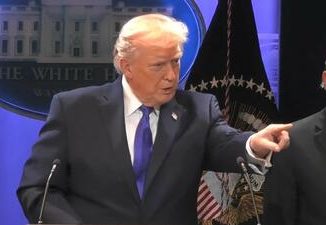
Former President Donald Trump’s involvement in Ukraine-related diplomacy continues to shape expectations for potential negotiations, with recent reports indicating he has taken a more open stance toward increasing pressure on Russia while also encouraging talks aimed at ending the conflict.
At the same time, Russian officials have maintained that Western nations remain aligned against Moscow, complicating efforts to establish a unified negotiation framework.
Ceasefire remains uncertain
Despite ongoing diplomatic activity, no formal ceasefire agreement has been reached, and fighting continues across multiple front lines, with both sides accusing each other of escalation and violations.
Ukrainian officials say any future deal must include enforceable guarantees, while Russia has repeatedly rejected proposals it views as unfavorable to its territorial demands.
For now, analysts say the situation remains fluid, with both military pressure and diplomatic engagement increasing at the same time—leaving the path to a ceasefire uncertain.
🧩 Reading Between the Lines: Ukraine’s Shifting Ceasefire Position
More Than Just Diplomatic Messaging
Ukraine’s suggestion that it may “recalibrate” its ceasefire proposal is not just routine diplomatic language. It reflects a broader reality that the conditions of the war, battlefield developments, and international pressure are all shaping how Kyiv approaches potential negotiations with Russia. The discussion is less about a single proposal and more about how flexible Ukraine can or should be as talks evolve.
Ceasefire Terms Under Review
Ukrainian officials have indicated that the current idea of a ceasefire based on existing front lines may not be permanent if Russia refuses meaningful engagement. This raises questions about what a future agreement could look like, including whether territorial control, security guarantees, or enforcement mechanisms would be central to any deal.
Pressure From International Diplomacy
The involvement of the United Nations, the United States, and European partners adds another layer to the situation. Ukraine’s position is being shaped not only by conditions on the battlefield but also by expectations from allies who are pushing for a diplomatic pathway that could eventually lead to a negotiated settlement.
Ceasefire Stability and Enforcement Concerns
A key issue is whether any potential ceasefire could actually hold. Previous breakdowns in negotiations have made enforcement and verification central concerns, with both sides wary of agreements that could be violated or used to regroup militarily.
Shifting Negotiation Dynamics
The diplomatic environment is also influenced by broader geopolitical signals, including discussions involving U.S. leadership transitions and Russia’s stated positions. These factors contribute to an evolving negotiation landscape where proposals are continuously adjusted in response to political and military developments.
🔗 The Stakes: Why This Story Matters
Ukraine’s shifting position on a possible ceasefire with Russia goes beyond routine diplomatic updates. It reflects the broader reality that the war is still actively evolving on the battlefield, while international pressure is increasing to find a political solution. The question many observers are now asking is whether conditions are moving closer to negotiations—or further away from them.
Public Safety Comes First
At the core of Ukraine’s position is the issue of security. Any ceasefire or peace agreement would need to prevent renewed fighting and protect civilian populations from further escalation. Ukrainian officials have emphasized that any deal must be enforceable, reflecting concerns that past agreements have failed to hold and resulted in renewed violence.
Pressure From Global Allies
The diplomatic landscape is also being shaped by the United States, European partners, and the United Nations, all of whom are pushing for some form of negotiated path forward. This creates additional pressure on both Ukraine and Russia to signal flexibility, even as key disagreements over territory and security guarantees remain unresolved.
War Termination vs. Battlefield Reality
A central tension in the conflict is the gap between diplomatic discussions and conditions on the ground. While ceasefire proposals are being discussed, active fighting continues, making it difficult to separate political negotiation from ongoing military strategy.
Stability and Enforcement Challenges
Any potential agreement would face immediate questions about enforcement, verification, and compliance. Previous breakdowns in negotiations have made both sides cautious, with concerns that a ceasefire could be used as a temporary pause rather than a lasting resolution.
The Bigger Picture
Ultimately, the story highlights how difficult it is to end a large-scale modern conflict once it has become entrenched. The outcome will depend not only on diplomatic proposals, but also on battlefield conditions, international coordination, and whether both sides see long-term value in a negotiated settlement.
🏁 The Final Word: What This Means Going Forward
Ukraine’s consideration of a recalibrated ceasefire position underscores how fluid the path toward ending the war with Russia remains. While diplomatic efforts continue through international channels, including the United Nations and key Western allies, no framework has yet emerged that bridges the core disagreements between the two sides. The coming phase will likely depend on whether battlefield realities, external pressure, and diplomatic negotiations begin to align in a way that makes a durable agreement possible—or whether the conflict continues along its current trajectory without a clear off-ramp.
SOURCES: THE INDEPENDENT – Kyiv warns ceasefire offer may expire as ‘our patience is not endless’
REUTERS – Ukraine may recalibrate its offer of ceasefire with Russia, envoy tells UN
INTERFAX – Ukraine patience not limitless, Kyiv may change approach – Melnyk at UN Security Council