Reported by:

Cherry Meigh Timbol
News Content Editor
Published August 6 , 2026
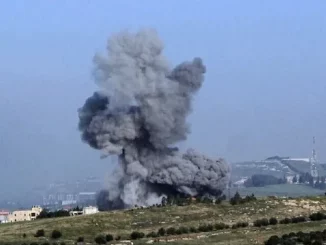
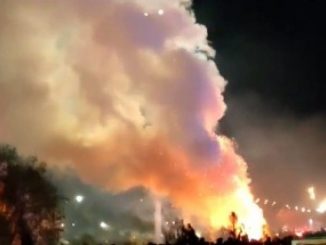
Ukraine has intensified its long-range strike campaign against Russia, targeting multiple oil facilities deep inside Russian territory as part of a broader effort to weaken Moscow’s wartime economy. President Volodymyr Zelenskyy confirmed that Ukrainian forces hit key energy infrastructure, including refineries located far from the front lines, signaling a significant escalation in Kyiv’s operational reach.
The strikes are aimed at disrupting Russia’s oil production and logistics network, a crucial source of funding for its military operations. Ukrainian forces also targeted vessels linked to Russia’s so-called “shadow fleet,” which has been used to bypass international sanctions on oil exports.
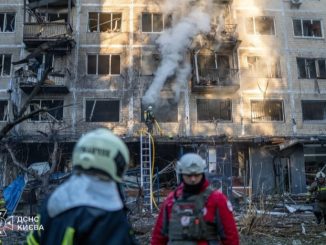
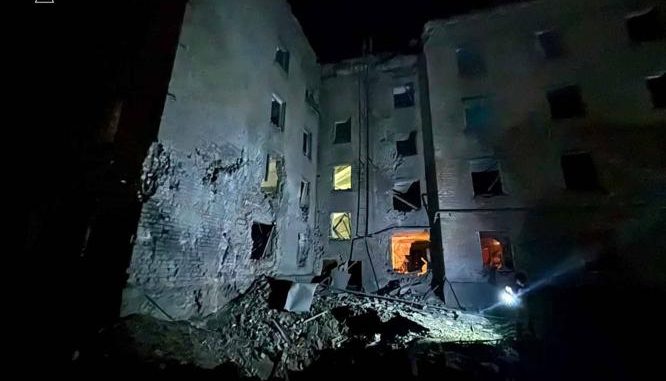
At the same time, Russia has continued its heavy bombardment of Ukrainian cities using drones, missiles, and glide bombs. Recent attacks have caused civilian casualties and widespread damage across multiple regions, underscoring the ongoing intensity of the conflict.
Escalation of Long-Range Strikes
Ukraine’s ability to hit targets deep inside Russia reflects a growing capability in long-range warfare.
Key developments include:
- Strikes on oil facilities in regions such as Bashkortostan and Yaroslavl, far from Ukraine’s borders.
- Targeting of maritime assets linked to Russian oil transport networks.
- Continued focus on disrupting Russia’s economic and military infrastructure.
These operations are part of a broader strategy to reduce Russia’s capacity to sustain its war effort by hitting critical revenue sources.
Pressure on Russia’s Energy Sector
The attacks highlight Ukraine’s strategy of targeting energy infrastructure to impose economic costs on Moscow.
Oil facilities play a central role in Russia’s economy, and repeated strikes could:
- Disrupt refining and distribution operations.
- Reduce export capacity and revenue streams.
- Increase pressure on domestic fuel supplies.
Analysts note that such strikes are designed not only for immediate impact but also to create long-term strain on Russia’s economic stability.
Ongoing Russian Attacks on Ukraine
Despite Ukraine’s offensive actions, Russia continues to carry out large-scale attacks across Ukrainian territory.
Recent developments include:
- Missile and drone strikes causing deaths and injuries in multiple cities.
- Damage to infrastructure in regions such as Kharkiv, Sumy, Kherson, and Zaporizhzhia.
- Increasing reliance on high-volume attacks to overwhelm Ukrainian defenses.
Ukraine has emphasized the urgent need for additional air defense systems, particularly Patriot missile interceptors, to counter these threats.
Growing Strain on Air Defense Systems
Ukrainian officials warn that shortages in air defense capabilities are limiting their ability to intercept incoming attacks.
- Limited supplies of advanced missile systems have reduced interception rates.
- Zelenskyy has called on allies to accelerate deliveries of defensive equipment.
- Delays in support are contributing to higher risks for civilians and infrastructure.
The imbalance between offensive and defensive capabilities remains a critical factor shaping the conflict.
Global and Strategic Implications
The escalation of strikes on both sides carries significant implications for regional and global security.
- Attacks on oil infrastructure may influence global energy markets.
- Continued hostilities risk further escalation between Russia and Ukraine.
- International support for Ukraine remains a key variable in the conflict’s trajectory.
As both sides expand the scope and intensity of their operations, the war continues to evolve into a more complex and far-reaching confrontation.
👥 Public / Political Reactions:
🇺🇦 Ukrainian Government
Ukrainian officials have defended the strikes as a necessary strategy to weaken Russia’s war capabilities.
- President Volodymyr Zelenskyy confirmed targeting oil infrastructure tied to Russia’s military funding.
- Officials emphasized that disrupting energy revenues is key to limiting Moscow’s ability to sustain the war.
- Kyiv framed the attacks as legitimate defensive actions under wartime conditions.
➡️ Position: Ukraine supports deep strikes as a strategic move to pressure Russia economically and militarily.
🇷🇺 Russian Government
Russian authorities have condemned the attacks, calling them acts of aggression against civilian infrastructure.
- Officials reported damage to oil facilities and accused Ukraine of escalating the conflict.
- Moscow warned of potential retaliation and increased military response.
- State media portrayed the strikes as proof of growing Western-backed aggression.
➡️ Position: Russia denounces the attacks and signals readiness to respond with stronger measures.
🇺🇸 United States Officials
U.S. leaders have reacted cautiously, balancing support for Ukraine with concerns about escalation.
- Officials reaffirmed support for Ukraine’s right to defend itself.
- At the same time, they emphasized the importance of avoiding actions that could broaden the conflict.
- Washington continues to focus on supplying defensive systems such as air defense.
➡️ Position: The U.S. supports Ukraine but remains cautious about escalation risks.
🏛️ European Leaders
European governments have expressed concern while maintaining support for Ukraine.
- EU leaders highlighted the importance of sustained backing for Kyiv.
- Some officials raised concerns about strikes deep inside Russian territory.
- Calls for diplomatic solutions alongside military support continue.
➡️ Position: Europe backs Ukraine but urges careful management of escalation.
🌍 International Community
Global reactions reflect concern over the widening scope of the conflict.
- Many countries warned that attacks on energy infrastructure could impact global markets.
- Others called for restraint from both sides to prevent further escalation.
- International organizations stressed the need for renewed diplomatic efforts.
➡️ Position: The global community is concerned about escalation and its wider consequences.
🛢️ Energy and Economic Analysts
Experts have highlighted the broader economic implications of targeting oil facilities.
- Analysts warn of potential disruptions to global oil supply chains.
- Some expect short-term price volatility due to uncertainty.
- Others note that sustained attacks could weaken Russia’s long-term energy output.
➡️ Position: Analysts see both economic pressure on Russia and risks to global markets.
👥 Public Response
Public reaction has been mixed across different regions.
- In Ukraine, many view the strikes as justified and necessary.
- In Russia, public sentiment reflects concern and anger over attacks on domestic infrastructure.
- Globally, discussions focus on escalation risks and economic impact.
➡️ Position: Public opinion varies, shaped by national perspectives and concerns over war escalation.
🏛️ Broader Political Impact
The strikes are likely to influence ongoing geopolitical dynamics.
- The conflict may further strain Russia-West relations.
- Additional sanctions or military aid could be considered.
- The war continues to shape global political and security agendas.
➡️ Position: The situation reinforces the conflict’s global significance and long-term political impact.
⚠️ Resulting Effects:
Ukraine’s strikes on oil facilities deep inside Russia have generated immediate geopolitical, economic, and military consequences. By targeting energy infrastructure far from the front lines, Kyiv is increasing pressure on Moscow’s war economy while also raising the stakes of the conflict.
1. Disruption to Russia’s Energy Infrastructure
The attacks directly affect critical components of Russia’s oil production and refining network.
🛢️ Facilities targeted may face temporary shutdowns or reduced output.
⚙️ Repairs and security upgrades could strain operational capacity.
🌍 Energy logistics within Russia may experience delays.
➡️ Result: Strikes on oil sites → reduced efficiency in Russia’s energy sector.
2. Increased Economic Pressure on Moscow
Oil revenues are a major source of funding for Russia’s military operations.
💰 Damage to infrastructure may cut into export earnings.
📉 Additional costs for repairs and defense add financial strain.
🌐 Sanctions evasion efforts may become more difficult.
➡️ Result: Targeted energy assets → heightened economic pressure on Russia.
3. Escalation of Military Tensions
The deep strikes signal a widening scope of the war.
💥 Russia may respond with intensified missile and drone attacks.
⚠️ The conflict risks entering a more aggressive phase.
📊 Both sides are expanding operational reach.
➡️ Result: Long-range attacks → increased risk of escalation.
4. Strain on Ukraine’s Defensive Capabilities
While conducting offensive operations, Ukraine continues to face heavy incoming attacks.
🛡️ Air defense systems are under pressure from sustained bombardment.
🚀 Demand for advanced systems like Patriot missiles is increasing.
⚠️ Civilian areas remain vulnerable.
➡️ Result: Dual-front pressure → growing strain on Ukraine’s defenses.
5. Impact on Global Energy Markets
The strikes introduce uncertainty into global oil supply dynamics.
🛢️ Markets may react with short-term price fluctuations.
📈 Risk premiums could increase due to instability.
🌍 Energy-importing countries are monitoring developments closely.
➡️ Result: Attacks on oil infrastructure → volatility in global energy markets.
6. Rising Costs for Security and Logistics
Both Russia and Ukraine face increasing operational costs.
📦 Infrastructure protection and repairs require significant resources.
💰 Military expenditures continue to rise on both sides.
⚓ Logistics and supply chains are becoming more complex.
➡️ Result: Prolonged conflict → higher economic and operational costs.
7. Continued Risk of Civilian and Infrastructure Damage
The escalation increases the likelihood of broader damage.
⚠️ Retaliatory strikes may target urban areas and critical infrastructure.
🏙️ Civilian casualties remain a major concern.
📊 Essential services could face disruptions.
➡️ Result: Intensified conflict → ongoing humanitarian and infrastructure risks.
🔮 Future Outlook:
Ukraine’s expanding strikes on oil facilities deep inside Russia signal a new phase in the war, with both sides likely to intensify operations while balancing the risks of escalation. As the conflict evolves, military, economic, and geopolitical dynamics will continue to shift in the coming weeks and months.
1. Continued Deep-Strike Campaign Likely
Ukraine is expected to sustain or expand long-range attacks on strategic targets.
💥 Additional oil facilities and logistics hubs may be targeted.
⚠️ Improved drone and missile capabilities could extend strike range.
📊 Strategic focus will remain on weakening Russia’s war economy.
➡️ Outlook: Ongoing operations → continuation of deep strikes against Russian infrastructure.
2. Russia May Escalate Retaliatory Attacks
Moscow is likely to respond with intensified military action.
🚀 Increased missile and drone strikes on Ukrainian cities are expected.
💥 Critical infrastructure may remain primary targets.
⚠️ Retaliation could expand in scale and frequency.
➡️ Outlook: Ukrainian strikes → heightened Russian counterattacks.
3. Global Energy Markets Will Stay Sensitive
Oil markets will continue reacting to disruptions in Russia’s energy sector.
🛢️ Repeated attacks could reduce output and exports.
📈 Price volatility may increase with each new strike.
🌍 Energy-importing nations will monitor supply risks closely.
➡️ Outlook: Energy infrastructure attacks → sustained market uncertainty.
4. Increased Demand for Western Military Support
Ukraine will likely push for more advanced defense systems.
🛡️ Additional Patriot and air defense systems may be requested.
🤝 Allies could face pressure to accelerate aid deliveries.
📦 Military assistance will remain critical to Ukraine’s strategy.
➡️ Outlook: Rising threats → greater reliance on Western support.
5. Risk of Wider Regional or Strategic Escalation
The expansion of strikes deep into Russian territory raises broader concerns.
⚠️ The conflict could move beyond current operational boundaries.
🌍 Neighboring regions may face indirect impacts.
💥 Strategic miscalculations could trigger larger confrontations.
➡️ Outlook: Expanding battlefield → increased escalation risks.
6. Long-Term Pressure on Russia’s Economy
Sustained attacks could weaken Russia’s economic resilience over time.
💰 Energy sector disruptions may reduce long-term revenues.
📉 Repair costs and security spending will accumulate.
🌐 Economic strain could affect broader national stability.
➡️ Outlook: Repeated strikes → gradual economic pressure on Russia.
7. Prolonged Conflict with No Immediate Resolution
Despite intensified actions, a quick end to the war remains unlikely.
📊 Both sides continue to invest heavily in military operations.
⚖️ Diplomatic solutions remain limited amid ongoing hostilities.
🌍 The war is expected to remain a central global issue.
➡️ Outlook: Sustained fighting → prolonged and evolving conflict.
🧩 Bottom Line:
The escalation of Ukraine’s deep strikes on Russian oil facilities underscores a critical turning point in the war, with implications for military strategy, economic resilience, and international involvement. While Kyiv’s expanded reach demonstrates growing capability and intent, it also raises the risk of intensified retaliation and a prolonged, more complex conflict.
🏛️ For Ukrainian leadership, the strikes signal a shift toward targeting Russia’s economic lifelines, aiming to weaken its war capacity while maintaining pressure beyond the front lines.
🇷🇺 For Russia, the attacks expose vulnerabilities deep within its territory, potentially forcing a reallocation of air defenses and prompting stronger countermeasures against Ukraine.
🌍 For the international community, the escalation heightens concerns over regional stability, as deeper strikes could widen the conflict’s scope and test the limits of foreign support for Ukraine.
🛢️ For global energy markets, disruptions to Russian oil infrastructure introduce uncertainty, with potential ripple effects on supply, pricing, and investor confidence.
➡️ Bottom Line: The continued expansion of long-range strikes reflects an evolving phase of the war—one defined by strategic depth and economic targeting—where each escalation increases both the pressure for resolution and the risks of further destabilization.
SOURCES: THE SUN CHRONICLE – Ukraine strikes more oil facilities deep inside Russia, Zelenskyy says
AP NEWS – Ukraine strikes more oil facilities deep inside Russia, Zelenskyy says