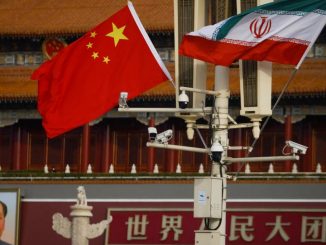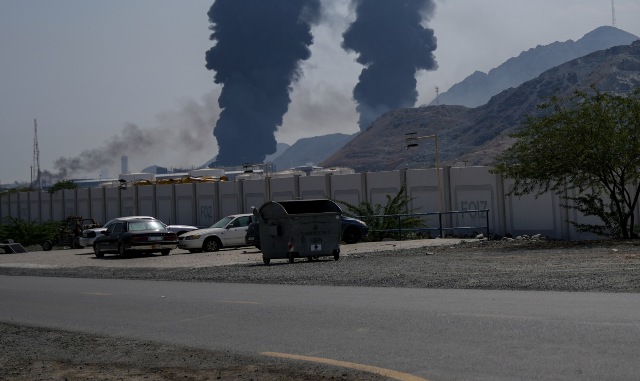
The United Arab Emirates (UAE), Bahrain, Saudi Arabia, and Kuwait reported on Wednesday that they had documented airstrikes, mostly on their energy facilities, that they attributed to Iran, hours after Iran and the United States announced they had agreed to a two-week ceasefire.
Published April 8, 2026
WASHINGTON — Multiple Gulf states reported Iran-linked missile and drone strikes just hours after the United States and Iran announced a two-week ceasefire, deepening concerns about Tehran’s commitment to peace and raising alarm over regional stability. The attacks targeted the United Arab Emirates, Kuwait, and Bahrain, prompting rapid defensive responses and leaving officials scrambling to assess the damage and broader implications.
The incidents underscore a growing pattern: while Tehran publicly commits to diplomatic agreements, its regional operations — often carried out through proxies or missile forces — continue unabated. For Washington, Gulf allies, and global markets, the strikes are a stark reminder that Iran’s actions remain unpredictable, even amid official ceasefire agreements.
Ceasefire Announced, Attacks Followed Hours Later
The ceasefire, brokered between the U.S. and Iran with mediation from Pakistan, was intended to pause hostilities for two weeks, allowing both sides to negotiate a more durable truce and reopen the critical Strait of Hormuz, through which roughly 20% of the world’s oil passes.
However, shortly after the ceasefire announcement, Gulf states reported incoming missile and drone activity. UAE authorities confirmed interceptions over their airspace, Kuwait reported property damage, and Bahrain activated missile alerts, warning civilians to take shelter.
The timing of these attacks — mere hours after the diplomatic announcement — has sparked immediate questions over whether Tehran’s military operations are coordinated with political directives or are being carried out autonomously by hard-line elements.
Regional Leaders Respond
Officials from the UAE, Kuwait, and Bahrain emphasized that their defense systems were effective in intercepting incoming threats, but the incidents highlighted vulnerabilities in the region’s security posture.
“We are closely monitoring the situation and have taken all necessary defensive measures to protect our citizens and infrastructure,” a UAE official said.
Analysts note that the strikes may serve multiple purposes for Tehran: testing Gulf air defenses, signaling displeasure with U.S. or Israeli actions, or projecting power in the region despite public diplomatic commitments.
Strait of Hormuz: Strategic Chokepoint Under Threat
The Strait of Hormuz remains a critical factor in the crisis. The ceasefire was partly designed to guarantee the safe passage of oil shipments, calming energy markets and ensuring global supply chains remain uninterrupted.
Even temporary strikes near Gulf waters or adjacent airspace can trigger price volatility in oil markets, impacting global economies. Energy analysts warn that any further escalation could send Brent crude prices sharply higher, with immediate consequences for nations reliant on Middle Eastern energy.
“The ceasefire was meant to provide a breathing space for diplomacy,” said an energy policy expert. “Attacks like these undermine confidence in regional stability and create uncertainty for markets worldwide.”
Ceasefire Terms Under Scrutiny
The exact terms of the U.S.–Iran ceasefire have been a point of contention. Tehran has reportedly sought guarantees over transit fees for the Strait of Hormuz, while Washington emphasized halting attacks and ensuring safe maritime passage. Meanwhile, Israel’s military operations in Lebanon continue outside the scope of the ceasefire, further complicating efforts to stabilize the region.
Analysts warn that disparate interpretations of the truce could allow Iran to continue operations while maintaining plausible deniability, raising questions about the durability of the agreement.
Intelligence and Diplomatic Challenges
The attacks illustrate the difficulties U.S. and allied intelligence agencies face in monitoring Iran’s decentralized military command. While the Supreme Leader’s office publicly endorses diplomatic agreements, proxy forces and IRGC units may act independently, creating ambiguity about who is responsible for escalatory actions.
This uncertainty complicates U.S. and Gulf policy planning. Officials must balance deterrence, diplomatic engagement, and regional security measures without clear insight into Tehran’s internal decision-making.
Potential Implications for U.S. and Allied Policy
- Military Preparedness: Gulf states may be forced to increase defensive readiness, including missile defense deployments and rapid response protocols.
- Diplomatic Strain: U.S. officials may need to pressure Tehran to reaffirm commitments, while maintaining leverage over regional allies.
- Energy Security: Continued strikes could destabilize oil transport routes, affecting global supply and pricing.
- Escalation Risk: Miscalculations by any actor could spark a wider regional conflict, drawing in U.S., Israeli, or Gulf forces.
“The next 48 hours are critical,” said a U.S. defense official. “We are watching Iranian activity closely to prevent a larger escalation.”
🔍 Critical View: Iran’s Ceasefire Violations Expose Risks of Diplomatic Overreach
Hours after the United States and Iran announced a two-week ceasefire, reports emerged that Iranian-linked missile and drone strikes targeted the United Arab Emirates, Kuwait, and Bahrain. The attacks reveal a stark reality: even when Tehran publicly agrees to diplomatic measures, its military operations often continue unchecked. This raises serious concerns about the effectiveness of U.S. negotiations, regional security, and global energy stability.
In an environment where every misstep can escalate into conflict, Tehran’s apparent disregard for ceasefire commitments underscores the importance of strength, verification, and accountability in diplomacy.
1. Tehran’s Unreliable Commitments
The attacks demonstrate that Iran’s leadership may not control all elements of its military apparatus or chooses to ignore agreements when convenient.
- Missile and drone strikes occurred despite the ceasefire, signaling Tehran’s willingness to violate agreements.
- Proxy forces and the IRGC may operate independently, undermining formal diplomatic efforts.
- These actions challenge the credibility of Iran as a negotiating partner and highlight the limits of diplomacy without enforcement mechanisms.
2. Regional Security Risks
Gulf states are now forced to prepare for hostilities even during declared truces, reflecting the fragility of the region’s security environment.
- UAE, Kuwait, and Bahrain activated air defenses in response to strikes, exposing vulnerabilities in civilian protection.
- Hardline Iranian elements could exploit ceasefire ambiguities to pursue strategic objectives, threatening regional stability.
- Miscalculations by Gulf nations, Israel, or the U.S. could escalate into broader conflict.
3. Energy Market Vulnerabilities
The Strait of Hormuz and surrounding Gulf waters are critical for global oil shipments, and attacks in the region threaten worldwide energy security.
- Even temporary disruptions or perceived threats can spike oil prices, impacting global markets.
- Iran’s actions create uncertainty that undermines efforts to stabilize energy flows, despite formal agreements.
- Policymakers and energy companies must prepare for contingencies while Tehran tests the limits of international patience.
4. Intelligence and Policy Challenges
The ceasefire violations highlight challenges in understanding Iran’s internal decision-making and enforcing accountability.
- U.S. and allied intelligence must determine whether attacks are directed by Tehran or executed autonomously by proxies.
- Ambiguity makes deterrence more difficult and complicates diplomatic strategy.
- Verification and real-time monitoring are essential to ensure ceasefire compliance and protect allies in the Gulf.
5. Lessons for U.S. Diplomacy
Iran’s behavior underscores the need for a tougher, more cautious approach to negotiations.
- Agreements without credible enforcement mechanisms are unlikely to prevent further attacks.
- Diplomatic overtures must be paired with demonstrable strength, including military readiness and economic leverage.
- Allies in the Gulf require assurance that the U.S. can respond decisively to violations, or regional instability will continue unchecked.
👥 On the Ground: Gulf States Grapple With Iranian Strikes Despite Ceasefire
In the wake of a two-week ceasefire announced between the United States and Iran, residents and officials across the Gulf are confronting a stark reality: Iranian-linked missile and drone strikes have continued, targeting the United Arab Emirates, Kuwait, and Bahrain. On the ground, civilians have experienced air raid alerts, defensive mobilizations, and widespread uncertainty, underscoring the fragility of peace and the persistent threat posed by Tehran’s regional operations.
1. Civilian Alerts and Defense Measures
Across the Gulf, citizens were forced into shelters as air defense systems intercepted incoming missiles and drones.
- In Bahrain, authorities issued emergency alerts, instructing residents to seek immediate shelter.
- UAE defense systems activated, reportedly intercepting multiple projectiles before impact.
- In Kuwait, early warning systems detected threats, and local emergency services responded to incidents of property damage.
These measures highlight the ongoing tension and the need for constant vigilance, even during declared ceasefires.
2. Regional Security Concerns
The strikes underscore the persistent threat Iran poses to Gulf stability.
- Proxy forces and IRGC units may act independently or test regional defenses, creating uncertainty for allied governments.
- Gulf leaders face the dual challenge of protecting civilians while navigating complex diplomatic agreements.
- Analysts warn that miscalculations by any party could escalate into a broader conflict.
3. Economic and Energy Implications
The Strait of Hormuz and surrounding waters remain critical for global oil shipments.
- Attacks near the Gulf’s key maritime routes threaten energy flows, impacting both regional and global markets.
- Even short-term disruptions can cause spikes in oil prices, affecting economies worldwide.
- Local businesses and energy infrastructure face uncertainty as defensive measures and alerts disrupt daily operations.
4. Diplomatic and Intelligence Challenges
Officials on the ground face difficulty reconciling Tehran’s diplomatic statements with military actions.
- U.S. and allied intelligence efforts must distinguish between orders from Tehran and autonomous actions by hard-line elements.
- Diplomats must respond to ceasefire violations while preventing escalation and protecting allies.
- Verification and real-time monitoring are essential to anticipate future attacks and safeguard regional stability.
5. Public Sentiment and Urgency
For citizens in affected areas, the strikes have created anxiety and skepticism about the ceasefire.
- Many question whether agreements between states translate into actual safety on the ground.
- Local communities are increasingly aware of the importance of emergency preparedness and defense readiness.
- Analysts note that civilian awareness and vigilance are now critical components of regional security.
🎯 The Final Word:
The Iranian strikes on Gulf states, coming just hours after a U.S.-brokered ceasefire, highlight the fragility of regional stability and the limits of diplomacy with a regime that acts unpredictably. For Gulf nations, the attacks underscore the need for robust defense measures and constant vigilance, while for the United States and its allies, the situation reinforces the importance of combining diplomatic efforts with credible deterrence. In an environment where miscalculations can escalate quickly, only a clear, enforceable strategy can safeguard peace, protect civilians, and maintain global energy security.
SOURCES: BREITBART – Gulf States Report Iranian Strikes Following Ceasefire Announcement
AL JAZEERA – S Arabia, UAE, Kuwait, Qatar, Bahrain report attacks after Iran-US truce