Published April 18, 2026
SOUTHWESTERN RUSSIA — The war between Russia and Ukraine is entering a more dangerous and unpredictable phase, after Ukraine claimed its forces carried out a strike on a Russian defense-industrial facility deep inside Russian territory — a move that signals the conflict is no longer confined to front lines, but now increasingly targets the machinery of war itself.
According to reporting cited from Anadolu Agency, Ukrainian officials say the strike hit a defense-related industrial complex in the Taganrog area of southwestern Russia, a region known for its aerospace and military production links.
🏭 Inside the reported Target: Not just a factory
What makes this strike significant is not just where it happened — but what it represents.
The targeted area is believed to be connected to Russia’s broader defense production network, including:
- Drone manufacturing and assembly
- Aviation-related industrial work
- Military equipment supply chains
- Technical support infrastructure for battlefield systems
These types of facilities are critical in modern warfare because they sustain everything from battlefield drones to missile systems.
In simple terms:
This is not just about damaging buildings — it’s about slowing down the production of weapons.
⚔️ A Shift in Warfare: From Frontlines to Factories
This latest claim reflects a broader shift in how the war is being fought.
Instead of focusing only on trenches and front-line positions, both sides are increasingly targeting:
- Factories producing drones and ammunition
- Energy infrastructure supporting military logistics
- Storage facilities for weapons and equipment
- Transportation hubs tied to supply chains
That means the battlefield is no longer just in eastern Ukraine — it is now stretching deep into Russia itself.
🌍 Why this Matters Strategically
Military analysts say strikes like this are aimed at long-term pressure, not immediate battlefield gains.
The logic is simple:
- If weapons production slows, battlefield strength weakens over time
- If supply chains are disrupted, frontline units feel it later
- If infrastructure is damaged, repair costs and delays increase
In other words, it’s a strategy focused on wearing down capability, not just winning ground.
🚨 Russia’s Response and Damage claims
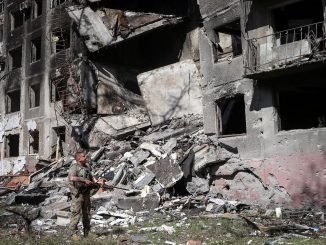
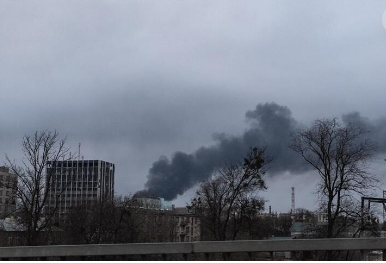
Russian regional officials reported fires and damage following drone activity in the Taganrog area, though full details remain limited and independent verification is still ongoing.
Authorities said emergency crews responded to industrial zones after reports of explosions and debris, with some reports indicating commercial infrastructure was also affected.
As is common in the war, both sides present competing narratives — and the full extent of damage often becomes clearer only after satellite analysis or independent assessments.
🧠 The Bigger Picture: A War of Production
One of the most important shifts in this conflict is that it is no longer just about soldiers and territory.
It is increasingly about:
- Who can produce more drones
- Who can replace destroyed equipment faster
- Who can sustain industrial output under pressure
Russia has significantly expanded its defense production since the war escalated in 2022, with factories reportedly operating at high capacity to support ongoing military operations.
Ukraine, meanwhile, has focused heavily on disrupting those supply chains through long-range strikes and drone operations.
⚠️ Risks beyond the Military targets
Even when strikes are aimed at military-industrial sites, the consequences often extend beyond intended targets.
Communities near industrial zones can experience:
- Fires spreading beyond facilities
- Power disruptions
- Emergency evacuations
- Risk from secondary explosions or debris
This is part of what makes the current phase of the war more unpredictable — the closer strikes move to populated industrial regions, the higher the chance of spillover effects.
🔍 Critical View: What This Really Says About the War
When you strip away the official statements and headlines, the reported Ukrainian strike on a defense-industrial site inside Russia — in the Taganrog area mentioned by Russia–Ukraine war reporting — points to something bigger than just another battlefield update.
This is a war that is clearly moving beyond front lines and into deeper, more sensitive territory: factories, supply chains, and infrastructure that keep the war going.
⚠️ A War That Keeps Spreading Outward
At the start, this conflict was mostly about territory inside Ukraine.
Now, it increasingly looks like:
- Strikes inside Russia itself
- Attacks on industrial and defense production sites
- Long-range operations aimed at weakening supply chains
The concern here is simple:
when wars spread outward instead of narrowing, they tend to become longer and harder to control.
🏭 Factories Are Now the Battlefield
Instead of only soldiers fighting soldiers, the focus is shifting to:
- Drone production facilities
- Weapons manufacturing plants
- Energy and logistics infrastructure
That creates a different kind of war — one where stopping production matters as much as winning land.
But it also raises a question:
If everything becomes a target, where does it stop?
🌍 Risk of Constant Escalation
Each side now has incentives to go further:
- If one side strikes deeper, the other responds
- If infrastructure is hit, retaliation often follows
- If supply chains are damaged, both sides feel pressure to escalate
In simple terms:
Every move pushes the conflict one step wider.
🧠 What Gets Lost in the Process
In long conflicts like this, attention often shifts away from the basics:
- Civilians living near industrial zones
- Energy and transportation systems that keep daily life running
- Long-term rebuilding costs after the fighting stops
The danger is that strategic goals start to overshadow everyday human consequences.
⚖️ The Bigger Question: Control vs. Escalation
At some point, every conflict reaches a choice:
- Contain it
- Or continue expanding it through deeper strikes and retaliation
The concern with this stage of the Russia–Ukraine war is that it is increasingly leaning toward expansion rather than containment.
And once that happens, the risk is not just damage — it’s duration.
👥 On the Ground: What This Phase of the War Feels Like in Real Terms
On paper, the report about Ukraine striking a defense-industrial site inside Russia in the Taganrog area tied to the broader Russia–Ukraine war looks like just another military update. But on the ground — where the consequences actually land — it signals something more practical and more worrying: the war is spreading into places that used to feel far from the fighting.
🏭 Factories and Infrastructure Are Now Part of the Fight
What used to be “safe” targets are no longer safe.
Instead of just front-line positions, the focus is now shifting toward:
- Industrial plants tied to weapons production
- Drone and aviation manufacturing sites
- Supply chain hubs that support military operations
In simple terms:
the war is now hitting the systems that keep the war going.
🚨 What People Near These Areas Deal With
Even when strikes are aimed at industrial targets, the impact around them is very real:
- Nighttime explosions that wake up entire neighborhoods
- Fires and smoke near industrial zones
- Emergency crews responding under pressure
- Temporary disruptions to power or transport
For civilians living nearby, it doesn’t feel like “strategy.” It feels like uncertainty.
🌍 A War That Keeps Expanding Its Reach
One of the biggest concerns on the ground is distance disappearing.
What used to feel like a faraway conflict is now:
- Reaching deeper into Russian territory
- Increasing cross-border strike activity
- Creating a wider zone of risk for civilians and infrastructure
In plain language:
the map of the conflict keeps getting bigger.
⚖️ Every Strike Has a Chain Reaction
People following this closely often point out a simple pattern:
- One strike leads to a response
- That response leads to another strike
- Each side adjusts and escalates in return
It becomes less about single events and more about a cycle that keeps repeating.
🧠 What Gets Lost in the Headlines
Big reports focus on targets and military impact, but on the ground, people think about:
- Whether escalation brings the war closer to everyday life
- Whether infrastructure damage will affect normal services
- How long this kind of back-and-forth can continue
The concern is not just what is hit — but what happens when hitting back becomes the norm.
🎯 The Final Word:
At the end of the day, the reported strike inside Russia tied to the broader Russia–Ukraine war shows how this conflict is steadily moving beyond the original front lines and deeper into industrial and infrastructure targets. While it may be framed as a military strategy to weaken production capacity, it also raises a simple concern: the more the war spreads into factories and critical systems, the harder it becomes to contain. For everyday people, the main worry is not just who hits what next, but how long this cycle of escalation can continue before it starts affecting more places, more systems, and more lives in ways that are harder to control or reverse.