Published March 10, 2025
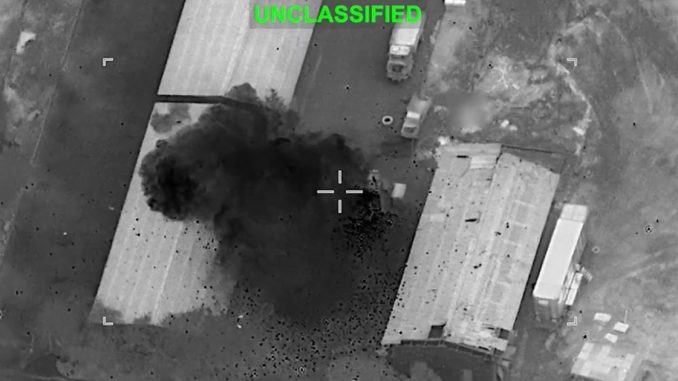
The U.S. Central Command (CENTCOM) has publicly shared unclassified military footage showing strikes carried out by U.S. forces deep inside Iranian territory as part of a widening military campaign against Iran’s armed forces. The release underscores a significant escalation in hostilities that have reshaped regional security dynamics across the Middle East.
Official U.S. Military Statements and Footage
CENTCOM’s unclassified footage shows precision strikes on what the Pentagon describes as Iranian missile launchers, military bases, and naval assets, including imagery of long‑range missile launches from U.S. warships and air platforms.
In public remarks accompanying the release, Secretary of War Pete Hegseth reiterated a stark warning:
“If you kill Americans, if you threaten Americans anywhere on earth, we will hunt you down … and we will kill you.”
CENTCOM officials emphasize U.S. munitions stockpiles and strike capacity remain robust, vowing sustained pressure on key Iranian military infrastructure.
Footage released by CENTCOM and linked on official video galleries shows:
-
Tomahawk cruise missile launches from naval destroyers.
-
Bomber sorties, with strategic aircraft like B‑1s and others flying deep missions over Iranian territory.
-
HIMARS rocket systems and carrier‑based aircraft supporting strikes.
Scope and Scale of the Strikes
Independent military press reporting indicates the U.S. has significantly expanded the air campaign:
-
Nearly 200 targets were struck across Iran within 72 hours, including sites “around Tehran.”
-
U.S. forces participated with bombers, fighter aircraft, naval assets, and ground‑launched missiles.
-
Damage assessments indicate a focus on Iran’s naval, missile, and air force infrastructure.
CENTCOM reports claim that Iranian missile attacks on U.S. troops and allied forces have dropped sharply since the operation’s start.
Operation “Epic Fury” and Regional Campaign
These strikes are part of a broader U.S. military effort that U.S. officials have internally labeled Operation Epic Fury — described as an ongoing campaign to degrade Tehran’s offensive capabilities.
Defense reporting and expert analysis suggest:
-
Iranian naval forces, including warships and drone carriers, have been key targets.
-
U.S. and allied forces have targeted Iranian missile launchers, anti‑ship missile sites, and command centers.
-
Coalition forces now number tens of thousands, with aircraft carriers, heavy bombers, and advanced drones deployed.
Casualties and Combat Losses
The human toll of the conflict continues to grow:
-
Seven U.S. service members have now died, including one who succumbed to wounds received in earlier engagements.
-
Officials acknowledge additional casualties are likely as strikes persist.
Iranian reports claim hundreds of its own military personnel and civilians have been killed, though exact figures vary and are often politicized.
Civilian Harm and Investigations
While U.S. officials maintain that coalition forces target military objectives, independent investigations raise serious concerns about civilian casualties:
-
Open‑source investigators and analysts say footage and satellite imagery strongly suggest a U.S. Tomahawk missile strike hit a compound adjacent to Shajareh Tayyebeh Primary School in Minab, Iran, killing at least 165 people, many of them children.
-
Analysts note that while military targets were nearby, the school itself was clearly identifiable and legally protected under international humanitarian law.
-
International organizations, including the UN and UNESCO, have condemned attacks on schools and civilian infrastructure and are calling for an independent investigation.
Additional reporting from Military.com confirms satellite imagery and pattern damage consistent with airstrike effects on an elementary school in Minab during a period when U.S. missiles were launched nearby.
Such evidence has intensified scrutiny of U.S. targeting protocols and raised questions about compliance with the laws of armed conflict.
Broader Regional and Geopolitical Impacts
The conflict has not remained confined to Iran:
-
U.S. diplomatic staff were ordered to depart Saudi Arabia amid rising threats of drone attacks.
-
Iranian forces have launched repeated ballistic missiles and drone attacks against U.S. positions and regional partners, prompting concern among Gulf Arab states.
-
Analysts argue the involvement of both U.S. and Israeli forces reflects a deeper strategic escalation that could widen the conflict further.
 Implications of U.S. Strikes on Iran: A Strong‑Defense Perspective
-
National Security and Deterrence
-
The strikes send a clear signal that the U.S. will protect its forces and interests globally.
-
From this perspective, showing strength acts as a deterrent, reducing the likelihood of future attacks on Americans or allies.
-
The message is: aggression has consequences, and threats against U.S. personnel or partners will be met decisively.
-
-
Reaffirming U.S. Military Superiority
-
Demonstrating precision strikes and long-range capabilities reinforces the perception that the U.S. maintains technological and operational superiority.
-
This supports a worldview that a powerful military is essential for maintaining global stability and protecting national interests without overreliance on diplomacy alone.
-
-
Accountability for Adversaries
-
The strikes emphasize holding adversaries directly accountable for hostile actions.
-
In this framework, failure to respond decisively could embolden other actors in the region or beyond, potentially leading to further attacks on U.S. personnel, infrastructure, or allies.
-
-
Balancing Force and Legal Norms
-
Even when employing strong measures, there is an expectation that the U.S. adheres to international law and minimizes civilian harm.
-
The recent civilian casualties reported in Minab highlight the tension between operational objectives and humanitarian considerations, reinforcing the principle that military strength must be paired with careful strategy.
-
-
Impact on U.S. Allies and Global Posture
-
Allies in the Middle East and Europe may view the U.S. as reliable and willing to act decisively, strengthening strategic partnerships.
-
Demonstrated readiness to act can also discourage adversaries from regional aggression, supporting broader geopolitical stability aligned with American interests.
-
-
Domestic Signaling
-
Such actions signal to U.S. citizens that their government prioritizes national defense and the safety of service members, which can foster domestic support for a strong defense policy.
-
The framing emphasizes responsibility, accountability, and national security over ideological rhetoric, appealing to principles of pragmatic governance.
-
 Overall Takeaway:
The release of unclassified U.S. military footage showing strikes deep inside Iran underscores the nation’s commitment to protecting its personnel and allies while demonstrating its capacity to respond decisively to threats. These operations highlight the balance between projecting strength and maintaining strategic responsibility, signaling to adversaries that hostile actions carry consequences.
At the same time, reported civilian casualties illustrate the critical importance of precision, restraint, and accountability in military operations. From a national security perspective, these strikes reinforce the principle that a robust defense—grounded in readiness, technology, and strategic clarity—is essential for safeguarding American interests, deterring aggression, and maintaining stability both regionally and globally.
Ultimately, the actions reflect a pragmatic approach to power and responsibility, emphasizing that ensuring security requires both strength and careful oversight.
SOURCES: THE GATEWAY PUNDIT – “If You Kill Americans… We Will Kill You” – US Central Command Releases Unclassified Footage of Strikes Deep in Iran (VIDEO)
THE TIMES OF INDIA – ‘If you kill Americans, we’ll kill you’: US releases montage of precision strikes with a blunt warning