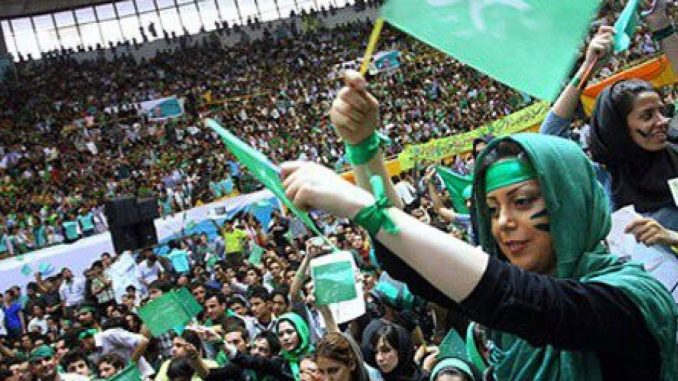
Former President Barack Obama admitted Friday that it had been a “mistake” not to support Iranian democracy protesters in 2009, when they rose up against their tyrannical regime in what was called the “Green Revolution.”
Published March 10, 2025
Former U.S. President Barack Obama has publicly admitted that he made a strategic mistake in 2009 by not giving stronger support to the Iranian people during the Green Movement protests — one of the largest pro‑democracy uprisings in Iran in decades. This admission has sparked renewed debate over U.S. policy toward Iran, both past and present.
What Obama Said
In remarks first made on the Pod Save America podcast and referenced in recent reporting, Obama reflected on internal debates within his White House over whether the United States should publicly endorse the protest movement. At the time, many activists were accused by Tehran of being tools of the West, which leaders in Washington feared would undermine their credibility with Iranian citizens.
“In retrospect, I think that was a mistake,” Obama said. “Every time we see a flash … of people longing for freedom, I think we have to shine a spotlight on it. We have to express some solidarity about it.”
Historical Background: The 2009 Green Movement
In 2009, after the widely disputed Iranian presidential election that saw hard‑liner Mahmoud Ahmadinejad declared the winner, millions of Iranians took to the streets in massive protests. Demonstrators, including many young people and women, cried out for democratic reforms and an end to corruption within the Islamic Republic. They became known as the Green Movement, named after the campaign color of opposition candidate Mir‑Hossein Mousavi.
While Obama did eventually condemn the violent crackdown by Iranian security forces — including publicly denouncing the killing of protesters like Neda Agha‑Soltan — his administration stopped short of offering overt support that some critics argued might have emboldened the movement.
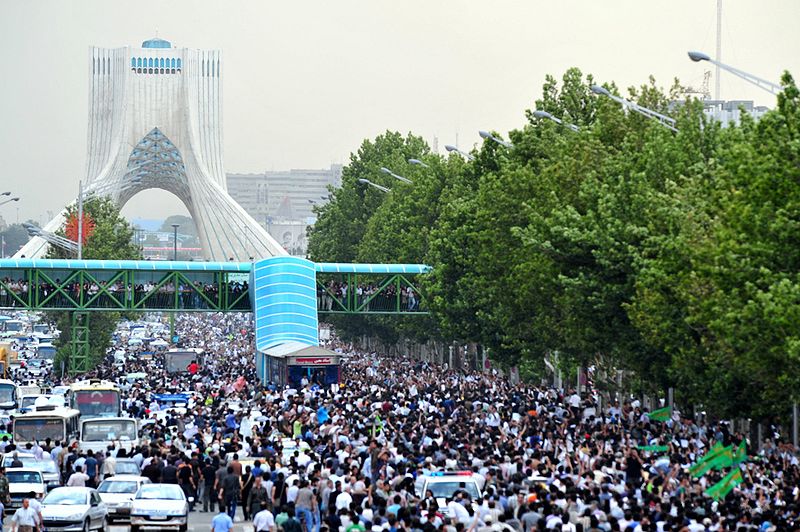
The protests quickly turned bloody when Iranian hardliners started firing on the protesters. One beautiful young protester was shot in the neck by the regime.
Why Obama Was Cautious
Obama’s hesitation stemmed from a broader strategy of diplomatic engagement with Tehran, particularly over nuclear negotiations. American officials feared that outspoken support could allow the Iranian regime to paint the protests as foreign‑backed interference — bolstering Iranian arguments that the opposition was not genuinely grassroots.
At the time, Obama aimed to keep channels open for negotiations and believed that overt U.S. backing might jeopardize progress on nuclear‑related discussions. But many Iranian activists and analysts have since said that the lack of strong international support left the movement vulnerable and isolated.
Contemporary Reactions and Broader Debate
The issue is more than historical: in early 2026 a new wave of protests erupted in Iran sparked by economic frustrations and political grievances. These demonstrations drew global attention and renewed scrutiny on how the United States should respond to popular movements against the Islamic Republic.
Human rights advocates and some public figures argue that past caution — by both the Obama and subsequent administrations — weakened the international community’s moral standing in supporting Iranian aspirations for freedom. Journalist Masih Alinejad, for example, criticized both Obama and President Joe Biden for being too focused on diplomatic deals rather than backing protestors directly.
Others counter that vocal U.S. involvement risks reinforcing Iranian government narratives used to justify harsh crackdowns. This tension remains a central question for American foreign policy: when and how should the United States back pro‑democracy movements in authoritarian states without compromising their independence or safety?
 Implications
-
Balancing Morality with Geopolitics
-
The 2009 decision highlights the challenge of supporting human rights abroad while protecting U.S. strategic interests.
-
Decisions that favor diplomacy over moral expression can create long-term credibility concerns.
-
-
Sending Signals Internationally
-
Hesitation in backing Iranian protesters may have signaled that calls for freedom are secondary to diplomatic priorities.
-
This can influence how authoritarian regimes perceive U.S. resolve in supporting human rights.
-
-
Protecting National Security
-
Overt involvement in foreign protests can provoke retaliatory actions from authoritarian governments.
-
Strategic caution helps avoid escalating conflicts that could compromise American interests.
-
-
Domestic Perception and Credibility
-
Foreign policy choices abroad impact public trust and perception at home.
-
Perceived weakness in international crises can affect both national cohesion and support for government actions.
-
-
Lessons for Future Engagements
-
Actions in global crises should consider both moral responsibility and strategic consequences.
-
This perspective emphasizes that long-term security and principled leadership must work together when addressing foreign movements for democracy and freedom.
-
 Overall Takeaway:
Obama’s recent admission underscores the complex balance between moral leadership and strategic caution in U.S. foreign policy. The 2009 Green Movement in Iran remains a pivotal moment — a reminder that decisions about when and how to support democratic aspirations can have lasting implications for both international credibility and national security.
For policymakers and observers alike, the lesson is clear: expressing solidarity with those fighting for freedom matters, but must be carefully weighed against potential geopolitical consequences. As global tensions continue and protests emerge in authoritarian states, the decisions made today will echo tomorrow, shaping not only the fate of foreign movements but also the United States’ role and reputation on the world stage.
SOURCES: THE GATEWAY PUNDIT – Obama Admits He “Made a Mistake” by Not Supporting Iranian People’s Green Movement Against Evil Islamic Regime in 2009 When They Were Calling Out His Name!… Instead He actively assisted the Khamenei Regime
BREITBART – Obama Admits ‘Mistake’ in Not Supporting ‘Green Revolution’ in Iran
THE NATIONAL NEWS – Activist Masih Alinejad says Trump should not repeat Biden and Obama’s mistakes on Iran protests