
Published March 10, 2025
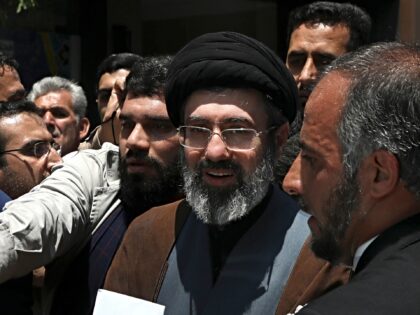
In a dramatic and tumultuous moment for the Islamic Republic, Mojtaba Khamenei, son of the late Ayatollah Ali Khamenei, has been confirmed as Iran’s new Supreme Leader — and Iranian state media are also reporting that he has been wounded amid the ongoing Middle East conflict.
Succession Amid War
After the U.S. and Israeli airstrike on February 28, 2026 that killed long‑time Supreme Leader Ayatollah Ali Khamenei — one of the most consequential strikes in the region’s recent history — Iran’s clerical body, the Assembly of Experts, moved swiftly to appoint his second son, Mojtaba Khamenei (age 56), as the nation’s new supreme leader.
The Assembly — an 88‑member body of senior clerics charged with choosing Iran’s supreme leader — signaled strong internal support for preserving continuity of hardline rule within Iran’s political and military establishment. Iranian ministers, diplomats, and senior figures publicly pledged allegiance to Mojtaba, asserting unity in the face of external pressure.
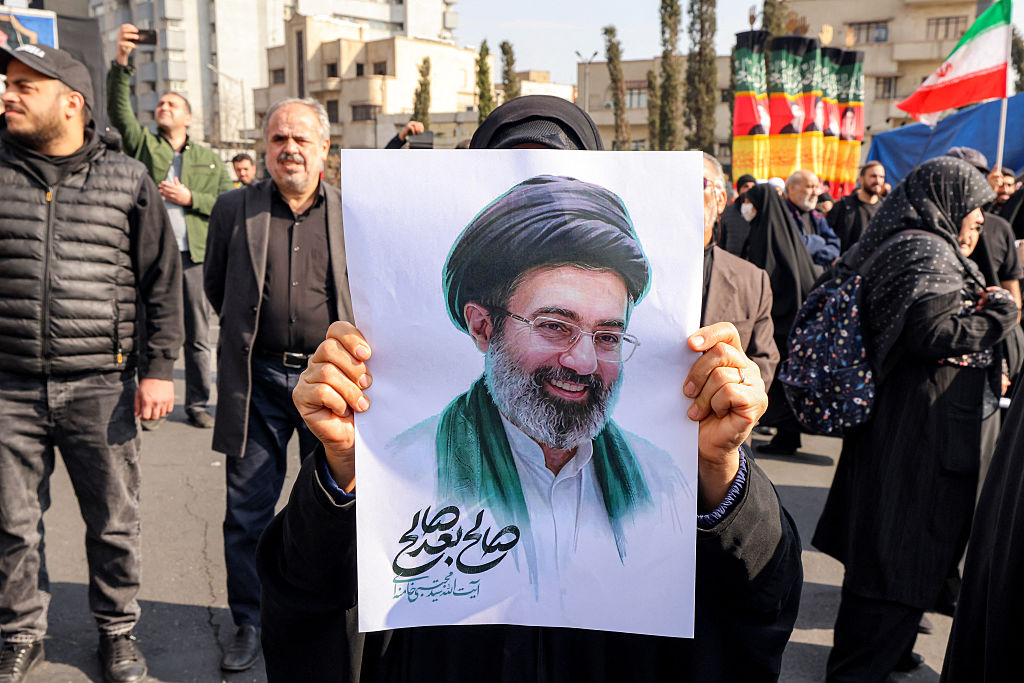
A woman poses with a picture of Iran’s new Supreme Leader Ayatollah Mojtaba Khamenei during a rally at Enghelab Square in central Tehran on March 9, 2026. Iran marked the appointment of Mojtaba to replace his father as its supreme leader with a new barrage of missiles against Israel and the Gulf states on Monday, as the Middle East war sent oil prices soaring. (Atta KENARE / AFP via Getty)
“Janbaz” — State Media Says He’s Wounded
Shortly after his elevation, Iranian state television described the new supreme leader as “janbaz,” a Persian term meaning war‑wounded, indicating he has been injured in the conflict. Officials did not provide specific details about the nature, timing, or location of the injury, and independent verification has not yet emerged.
This confirmation came only hours after state media announced his succession — underscoring both the unstable conditions inside Iran and the blurred lines between political leadership and active war engagement.
Escalation of Hostilities
Iran marked the elevation of Mojtaba Khamenei with missile and drone strikes targeting Israel and other states in the Gulf region, including Bahrain and Qatar. Iranian broadcasts showed missiles emblazoned with slogans referencing the new leader’s name, signaling defiance and an aggressive posture going forward.
The ongoing conflict has drawn international attention, with President Donald Trump publicly declaring that Iran’s new leader “would not last long” without U.S. approval — a stark departure from how sovereign leadership transitions are typically addressed.

Regional and Global Impact
The conflict between Iran and the U.S.–Israel alliance has had wider repercussions:
-
Oil prices have surged above $100 per barrel as regional instability disrupts supply routes and raises fears of a protracted war.
-
Gulf Arab states and Iran have experienced frequent drone and missile exchanges, contributing to civilian casualties and heightened military alertness across the Middle East.
Hardline Leadership and Future Prospects
Mojtaba Khamenei’s rise to power appears to solidify the influence of Iran’s Islamic Revolutionary Guard Corps (IRGC) and the conservative clerical establishment within the country, closing off pathways for diplomatic engagement in the near term and reinforcing hardline policies that have dominated Tehran’s regional posture.
Analysts warn that under Mojtaba’s leadership, Iran may prioritize retaliation and consolidation of internal control, even as external forces — particularly Israel — have publicly vowed to target him and the regime’s leadership if they pose what they call an existential threat.
 Implications of Mojtaba Khamenei’s succession and his reported wounding for Iran, the region, and global affairs:
1. Political Stability in Iran
-
Mojtaba Khamenei’s rapid appointment signals an attempt to maintain continuity of hardline leadership.
-
However, his reported injury may raise questions about internal stability and the clerical hierarchy’s ability to govern during conflict.
-
Potential power struggles could emerge within the Assembly of Experts or IRGC if his capacity is perceived as compromised.
2. Intensification of Iran–Israel–U.S. Tensions
-
Iran’s missile strikes and aggressive rhetoric indicate that Mojtaba’s leadership may prioritize retaliation for his father’s death.
-
Israel and U.S. forces may increase surveillance and preemptive actions, raising the risk of escalation into a broader regional war.
-
Gulf states may also bolster defenses, potentially leading to militarization of shipping lanes and oil infrastructure.
3. Regional Security Implications
-
Neighboring countries (Iraq, Syria, UAE, Bahrain) face heightened security threats from drones, missiles, or proxy attacks.
-
Iran’s alliances with non-state actors (e.g., Hezbollah, Shiite militias) may strengthen asymmetric warfare capabilities, destabilizing the region further.
4. Economic and Global Impact
-
Oil prices are likely to remain volatile or surge, disrupting global markets.
-
Trade routes through the Strait of Hormuz could face closures or heightened risk of attack.
-
Sanctions may tighten, further isolating Iran economically and straining civilian resources.
5. Implications for Diplomacy
-
Hardline leadership reduces chances for negotiation or de-escalation with Western powers.
-
Mojtaba’s rise signals Iran doubling down on militarization and ideological continuity, potentially undermining international diplomatic initiatives.
6. Information and Propaganda
-
Iran’s state media portraying Mojtaba as “wounded yet resilient” may serve as a rallying symbol to consolidate domestic support.
-
International observers must carefully evaluate reports, as misinformation and propaganda are rampant in conflict zones.
 Overall Takeaway:
The succession of Mojtaba Khamenei as Iran’s new Supreme Leader marks a pivotal moment in the Middle East, unfolding amid heightened conflict and regional uncertainty. His reported wounding underscores the fragility and volatility of Iran’s leadership during wartime, while his rise consolidates hardline control and signals a likely continuation of aggressive policies.
The consequences extend far beyond Tehran: from potential escalation with Israel and the U.S., to regional security threats, economic disruption, and global energy market instability. As Iran navigates this uncertain transition, the international community faces a critical test in balancing diplomatic engagement, deterrence, and strategic vigilance.
In short, Mojtaba Khamenei’s leadership begins under fire — literally and politically — shaping a high-stakes future for Iran and the wider world.
SOURCES: BREITBART – Iran Confirms New Supreme Leader Mojtaba Khamenei ‘Is Wounded’
IRAN INTERNATIONSL – Iran state TV suggests Mojtaba Khamenei injured in ongoing war
THE US SUN – MARKED MAN New Iran Supreme Leader WOUNDED, state TV says just hours after announcing his succession & scrawling message on missile


